
Malacca in 3 Days: What to See, Where to Sleep and Where to Eat (2026)
Key facts
Day-by-day Malacca itinerary for 3 days: UNESCO old town, Jonker Street and its temples, Portuguese Settlement, where to stay and budget. The practical guide for a break from Kuala Lumpur.
Malacca in 3 Days: What to See, Where to Sleep and Where to Eat (2026 Guide)
Malacca (Melaka in Malay) is the most history-dense city in Malaysia. Founded in the early 15th century by a prince from Sumatra, it was the seat of a prosperous sultanate, then successively Portuguese (1511), Dutch (1641) and British (1824). Four centuries of foreign presence left behind an old town unlike anywhere else in Southeast Asia, inscribed as a UNESCO World Heritage site since 2008. Some 150 km south of Kuala Lumpur — about two hours by road — it is the ideal short break away from the capital.
Many travellers "do" it in half a day between two buses. That is a mistake. Malacca is best savoured slowly: the lanes of Jonker Street, the Chinese temples, the Portuguese remains and a cross-cultural food scene that exists nowhere else — the famous nyonya and peranakan cuisine, born of Chinese families settled in Malaysia for centuries and blending Chinese, Malay and Portuguese flavours.
This guide gives you a day-by-day itinerary, a realistic budget in ringgit, where to sleep by travel style, where to eat without breaking the bank, and the traps to avoid. It pairs well with our 3-day Kuala Lumpur itinerary and fits naturally into our Malacca destination guide.
How to get to Malacca
Malacca has no airport for long-haul flights: you arrive by road. Three realistic options.
- Bus from Kuala Lumpur (TBS): departures from Terminal Bersepadu Selatan roughly every hour, 2 to 2.5 hours, 15 to 25 MYR per ticket. Cheapest and simplest. The bus drops you at Melaka Sentral, 4 km from the historic centre: 6 to 10 MYR by Grab to Jonker Street.
- Car or long-distance Grab: 150 km on the E2 motorway, about 2 hours outside peak hours. A long-distance Grab from Kuala Lumpur typically costs 200 to 280 MYR. If you are combining Malacca with Johor or need to reach KLIA on the way back, a private car with driver is often better value than a chain of separate rides.
- From Johor Bahru or Singapore: direct buses, roughly 3.5 hours from Johor Bahru and 4 to 5 hours from Singapore including the border crossing. Allow extra: the border can add 1 to 2 hours depending on the day.
Our transport services cover private transfers from Kuala Lumpur and KLIA airport; this is where independent travellers lose the most time, between terminal changes and bus queues.
Day 1 — The UNESCO core: Stadthuys, Christ Church and St Paul's Hill
On day one, stay on foot in the historic core on the west bank of the Melaka River.
Morning: Dutch Square and St Paul's Hill
Start early, around 8:30, before the heat and before the tour groups arriving from Singapore. The natural starting point is Dutch Square (Dataran Merah), the square of ochre-red buildings: the Stadthuys (1650, the oldest surviving Dutch town hall in Asia), Christ Church (1753) and the history museum. The red façades are Malaysia's most photographed sight — expect crowds from 10 am onwards.
Then climb the steps of St Paul's Hill: St Paul's Church (1521) is the oldest church in Southeast Asia, now open to the sky, with Dutch tombstones propped against the walls. On a clear day you get views over the Malacca Strait. Next door stand the ruins of A Famosa, the Portuguese gate of the 1511 fortress — the most photographed remnant and the only part of the Portuguese complex still standing.
Allow 2 to 2.5 hours for the lot, Stadthuys museum included (10 MYR for foreigners). The literature museum and the Dutch governor's museum nearby are quieter but rewarding if colonial history is your thing.
Afternoon: the Melaka River and the Dutch quarter
Have lunch near Dutch Square, then head down to the river. A Melaka River cruise (about 40 minutes, 25 to 30 MYR per adult) leaves from the jetty near Dutch Square and runs up to Kampung Morten, with its traditional Malay houses on stilts. It is touristy, but it is the fastest way to understand the city's geography.
In the afternoon, wander on foot or take a decorated trishaw (the flower-covered, music-blasting cycle rickshaws; 30 to 50 MYR for 30 minutes, negotiate first). Malacca's trishaws have become an attraction in their own right — Hello Kitty, Pikachu, music at full volume. Fun, slightly kitsch, very photogenic.
End the day with sunset at the Melaka Straits Mosque (Masjid Selat Melaka), built on stilts at the edge of the strait, 20 minutes by Grab from the centre. At high tide it appears to float on the water — one of the best photo spots in town. Dress code applies: shoulders and knees covered, a hijab is lent at the entrance for women.
Day 2 — Jonker Street, temples and Chinatown
Morning: Jonker Street and its temples
Day two belongs to Jonker Street (Jalan Hang Jebat) and its surroundings. In the morning the street is calm: ideal for antique shops, craft workshops and temples.
Three temples not to miss, all within a 15-minute walk:
- Cheng Hoon Teng — the oldest Chinese temple in Malaysia (17th century), dedicated to the goddess of mercy. Fujian architecture, ornate roofs, a hushed atmosphere.
- Kampung Kling Mosque — an 18th-century mosque blending Sumatran, Chinese and Hindu styles. The split drums at the entrance are still used to signal prayer.
- Sri Poyyatha Vinayagar Moorthi — the oldest Hindu temple in Malaysia (1781), dedicated to Ganesh.
Three religions a few streets apart sums up Malacca: that is what earned it UNESCO status, and what makes it so different from George Town.
Afternoon: Baba Nyonya and the peranakan heritage
Peranakan heritage is the soul of Malacca. Visit the Baba & Nyonya Heritage Museum (18 to 25 MYR per adult, short guided tour included): a 19th-century mansion of a wealthy Chinese family, fully preserved, with carved blackwood furniture, Viennese floor tiles and the kitchen where nyonya cuisine was prepared. A well-spent 45 minutes before you eat that very food in the evening.
If you prefer more museums, the Muzium Rakyat and Malacca's contemporary art gallery are worth a detour. Otherwise: the kite museum, or simply a nap at the hotel — it is 32 °C in the afternoon and everyone else is in the shade too.
Evening: the Jonker Street night market
On Friday and Saturday evenings, Jonker Street turns into a night market: food stalls, souvenirs and street performances from 6 pm to midnight. Busy but lively. Sunday evening is quieter. On weekdays there is no night market: fall back on the street restaurants one street over.
Day 3 — Around town: Portuguese heritage, beach and the way back
Morning: the Portuguese Settlement and European remains
On day three, leave the centre. The Portuguese Settlement (10 minutes by Grab) is a community of descendants of the 1511 Portuguese who still speak a Portuguese creole. In the evening its seafood restaurants are famous and cheap; in the morning it is quiet and photogenic. St John's Fort, further south, gives an open view of the strait.
Another option: the Muzium Samudera, a full-size replica of the Flor de la Mar, the 1512 Portuguese ship — good with children.
Afternoon: beach or departure
Malacca is not a beach destination: the water is murky and the coast is industrial. If you want a beach, push on to Port Dickson (1h15 by road) or head back up to Kuala Lumpur. Our Port Dickson guide has the right addresses; a decent last-day option if you have a car.
Otherwise, use the afternoon for a final lap of Jonker Street, a coffee in a restored colonial shophouse, and an evening return to Kuala Lumpur (buses from 5 pm to 8 pm, last departure around 9 pm from Melaka Sentral).
Where to sleep in Malacca
Three areas, three profiles.
- Jonker Street / old town: the best choice for a first stay. Charming guesthouses in restored shophouses, 120 to 250 MYR a night for a decent double, 350 to 600 MYR for a boutique hotel. Everything on foot. Book early at weekends: the city fills with visitors from Kuala Lumpur and Singapore.
- East bank of the river (Kampung Hulu): quieter, 10 minutes on foot from Jonker, with modern hotels at slightly lower prices (100 to 200 MYR).
- Melaka Raya: modern district, chain hotels, parking, supermarkets. Less charm, more practical with a car or a family.
Our hotel selection and price comparisons are on /en/hotels. As a rule, Malaysian high season (June–August, December) and weekends push old-town prices up 30 to 50%.
Where to eat: peranakan cuisine and street food
Malacca, with Penang, is Malaysia's culinary capital. Five essentials.
- Chicken rice ball — Malacca's signature dish: rice rolled into compact balls, served with boiled or roast chicken. 8 to 15 MYR. Best addresses are around Jonker; skip the places with giant photo menus and follow the local queue.
- Nyonya laksa — rice noodles in a spicy prawn and coconut broth with fresh herbs. 10 to 18 MYR.
- Cendol — shaved ice dessert with coconut milk, palm sugar and green jelly. 4 to 7 MYR. The famous Jonker Street stall is worth the queue.
- Pineapple tart and kuih — peranakan pastries, perfect to take away. 3 to 6 MYR each.
- Portuguese seafood — at the Portuguese Settlement in the evening: prawns, grilled fish, chilli crab. 40 to 80 MYR per person.
For a broader view of Malaysian street food — Kuala Lumpur included — our guide to where to eat in Kuala Lumpur complements this one, and our restaurants directory lists verified addresses.
Budget: what 3 days in Malacca costs
Excluding transport from Kuala Lumpur, a solo traveller can manage on a tight 250 to 350 MYR per day (guesthouse, street food, sights) and 450 to 700 MYR per day at mid-range (comfortable hotel, a few restaurants, river cruise, museums). Main cost lines: accommodation (40 to 60%), meals (20 to 30%), local Grab rides (10%), entrance fees (10%).
Related procedures
📋 Before you go
- Transport in Malaysia — buses, Grab, trains
- Getting a SIM card — data and Grab on arrival
- Driving in Malaysia — if you rent a car
FAQ — Malacca in 3 days
Is Malacca worth 3 days? Yes, if you want museums, side streets and proper meals. In one day you see Dutch Square and Jonker Street, and that is it. Two days is the comfortable minimum; three days lets you add the surroundings (Portuguese Settlement, A Famosa, river cruise).
How do I get from Kuala Lumpur to Malacca? Bus from TBS (2 to 2.5 hours, 15 to 25 MYR), car (2 hours on the E2), or a private transfer (200 to 280 MYR by long-distance Grab). There is no practical direct train: the nearest station is Tampin, 40 minutes by road.
When is the best time to visit Malacca? Year-round. The city is hot and humid, with rain mostly from November to January. The most pleasant months are June to September and January to March. Avoid public-holiday weekends: the old town saturates.
Should I book in advance? For old-town hotels, yes — especially at weekends (Friday–Saturday, night market) and in high season. Museums do not take bookings.
Is Malacca good for families? Yes: little mandatory walking, trishaws, the river cruise, interactive museums, and mild food (chicken rice ball, cendol) that children like. Pavements are uneven: pushchairs are hard work on Jonker.
Conclusion
Malacca is the best two- or three-day escape from Kuala Lumpur: easy to reach, affordable, rich in history and food, and compact enough to explore on foot. Three days let you go beyond the "Dutch Square + Jonker" loop and understand why this city was Southeast Asia's trading crossroads for four centuries.
👉 Need a private transfer from Kuala Lumpur or KLIA, or a tailor-made Malaysia itinerary? Contact us — quick reply on WhatsApp, free quote within 24 hours. You can also book a transfer.
Things to do in Malacca
Tickets and experiences at the best price — instant online booking. All activities →
Historical Malacca Day Tour from Kuala Lumpur with Lunch Option
Visit the historical city of Malacca which is just a 2-hours drive away from Kuala Lumpur, and explore Malaysia's history and architecture.
Siberian Husky and Shiba Inu Experience Centre in Melaka
Siberian Husky Experience Centre in Melaka.
Malacca Pink Mosque & Straits Mosque Full-Day Tour
Pink Mosque + Malacca Straits Mosque + Dutch Red House + Malacca River [Night Tour].
Nyonya Kebaya and Batik Shirt Experience in Malacca
Embark on a cultural journey in Malacca with our Traditional Costume Experience. Rent authentic Malaysian attire, from traditional batik dresses to cultural outfits, and capture memories in a unique photoshoot. Discover the rich heritage of Malacca through the lens of tradition and fashion.
SKYTREX Adventure Melaka
Test your endurance on the SKYTREX Adventure aerial courses in Melaka: zip lines, monkey bridges and balance games in the jungle, supervised and safe.
Thai Massage in Melaka by Scents & Senses Melaka Raya
Traditional Thai massage in Melaka by Scents & Senses, in the Melaka Raya district. Experienced therapists, natural oils, book online.
Where to stay in Malacca
BonjourMalaisie selection — the best-rated for this stay. See all hotels →
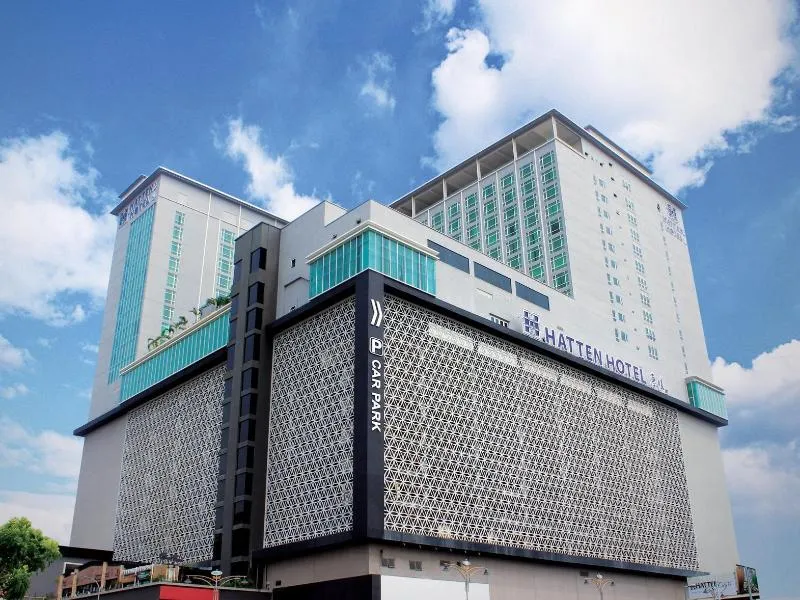
Hatten Hotel Melaka
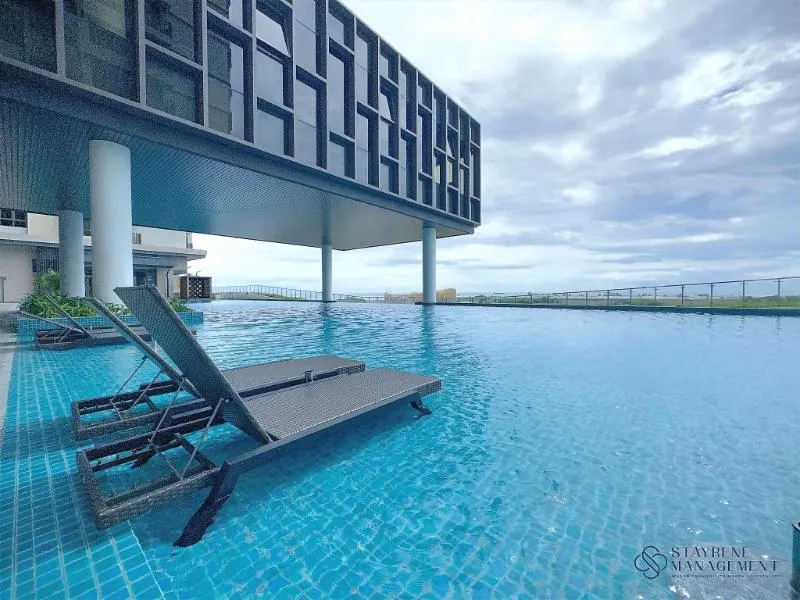
Bali Residences Sea View Suites Melaka
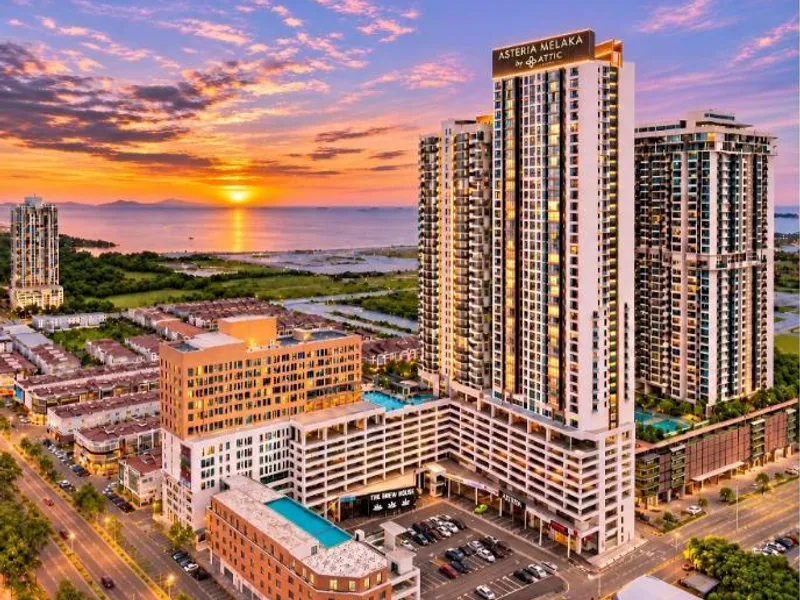
Asteria Melaka by Attic Suite
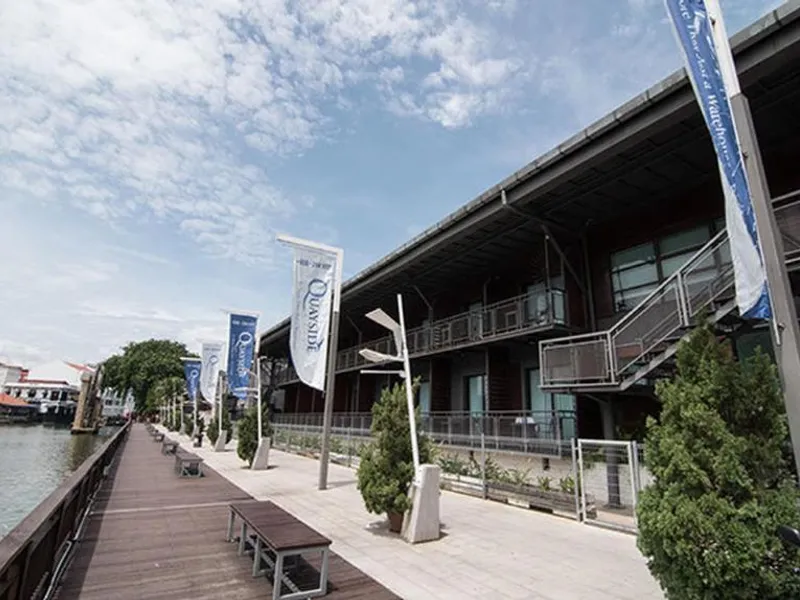
Sunday Malacca Near Jonker Street Formerly Quayside
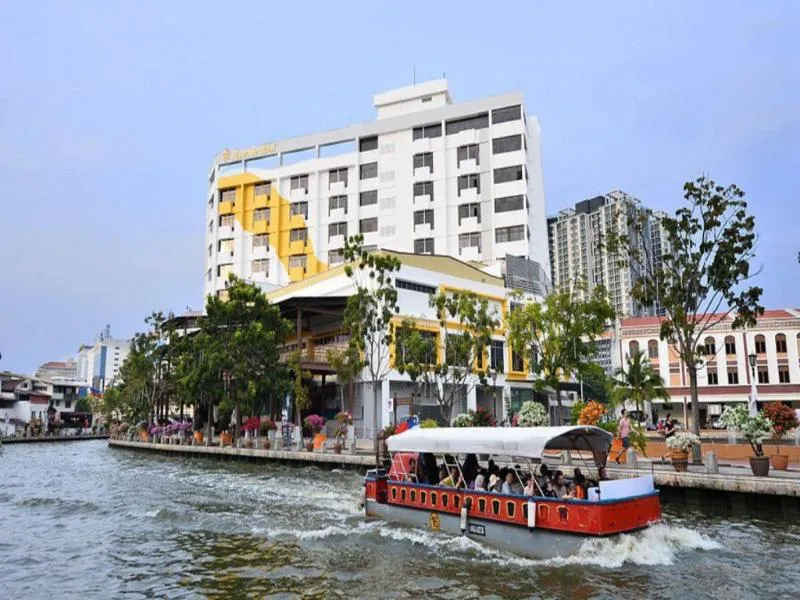
Sunday Malacca Formerly Tun Fatimah
The Pines by Amanjiwa
Don't miss the next guides
One email every 15 days: new itineraries, tested addresses and Malaysia deals. Nothing else.
No spam. One-click unsubscribe, anytime.
Ready to explore Malaysia?
Book your transfer, plan your trips and find the right contacts.
This guide was written with the assistance of AI, then reviewed and corrected by a member of the team before publication.
You may also like
Penang in 4 Days: What to Do, Where to Eat and Where to Stay
A complete 4-day Penang itinerary: UNESCO George Town, Penang Hill and its funicular, Batu Ferringhi beaches, street food and budget. The practical guide to plan your island trip.
Taiping: what to do, where to stay and what to see in 2 days (2026)
Complete 2026 guide to Taiping, Perak: Lake Gardens, Maxwell Hill, Perak Museum, Kuala Sepetang mangroves, street food, where to stay, budget, weather and access from Kuala Lumpur, Penang and Ipoh.
Langkawi in 4 days: day-by-day itinerary, budget and where to stay (2026)
A full four-day Langkawi itinerary: beaches, island hopping, cable car, mangrove and Kuah, with real budgets, travel times and what to book before you go.