Where to Eat in Kuala Lumpur: Street Food and Hawker Centres
Key facts
The complete guide to Kuala Lumpur street food: Jalan Alor, hawker centres (Lot 10 Hutong, Chow Kit, Little India), must-try dishes, real 2026 prices and etiquette.
Where to Eat in Kuala Lumpur: Street Food and Hawker Centres
Kuala Lumpur is often called the food capital of Southeast Asia, and for once the cliché holds up. In a single day you can lunch on a nasi lemak for 5 MYR in a hawker centre, taste a wok-fried char kway teow in a Chinatown alley, then dine on banana leaf rice in Little India — three cuisines, three cultures, for less than 30 MYR in total. The city is Malaysia in miniature: Malay, Chinese and Indian, each with its own markets, stalls and specialities.
This guide answers the question every visitor asks: where to eat in Kuala Lumpur without breaking the bank and without falling into a tourist trap? You will find the neighbourhoods to prioritise, the unmissable hawker centres, the dishes you cannot skip, real 2026 prices and the local etiquette. To plan your trip, also check our guide to Kuala Lumpur and our article 3 days in Kuala Lumpur.
Understanding Malaysian street food
Before rushing to the first stall, you need one key word: the hawker centre. It is a gathering of dozens of small stalls, each specialising in a dish, around shared tables. You order from several stalls, pay separately, and sit wherever you like. It is Malaysia's answer to the food court — but authentic, often open-air or semi-covered.
The golden rule: the longer the queue, the better the dish. KL locals do not queue by accident. A stall running at full tilt constantly refreshes its ingredients — a guarantee of freshness. Conversely, an empty stall next to a packed one is a warning sign.
On hygiene, rest assured: Malaysia has considerably improved its standards. Well-established hawker centres are regularly inspected. Choose the ones with a dense local clientele, where food is cooked to order and served piping hot.
The dishes you cannot miss
Here is the essential vocabulary to understand KL street food.
- Nasi lemak — the national dish. Rice cooked in coconut milk with sambal (chilli paste), fried anchovies, peanuts, a boiled egg and often fried chicken. Eaten from morning to night, often wrapped in a banana leaf. From 4-6 MYR.
- Char kway teow — flat rice noodles wok-fried over very high heat with prawns, cockles, chives and egg. Smoky, slightly sweet, addictive. 8-12 MYR.
- Hokkien mee — thick yellow noodles in an intense brown prawn-and-pork broth, served with sambal and calamansi lime.
- Roti canai — flaky Indian flatbread, crisp outside and soft inside, dipped in dal curry. Everyone's favourite breakfast. 2-4 MYR.
- Banana leaf rice — white or biryani rice served on a banana leaf with several vegetarian curries, papadum and sometimes meat. In Little India.
- Satay — marinated skewers grilled over charcoal, served with a thick peanut sauce, cucumber and onion. The best are often in residential neighbourhoods.
- Cendol — shaved-ice dessert with coconut milk, pandan jelly and palm sugar syrup. The antidote to the heat.
Jalan Alor: the legendary street
You cannot talk about street food in Kuala Lumpur without mentioning Jalan Alor, the pedestrian street in the Bukit Bintang district that comes alive after dark. It is the address visitors search for the most, and with good reason: over 300 metres you find a staggering concentration of stalls — grilled seafood, skewers, noodles, desserts, fresh fruit juices.
What to know before you go. Jalan Alor is now very touristy, and prices are higher than in neighbourhood hawker centres: expect 15-30 MYR per seafood dish, 8-15 MYR for noodles. It remains affordable by international standards, but it is twice the price of an ordinary hawker centre. Go for the atmosphere and the memories, then explore elsewhere for value.
Getting there: the street gets going around 5-6 pm and buzzes until midnight. The best time to avoid the crowd is early evening, around 6 pm. The nearest MRT station is Bukit Bintang (Putrajaya line). To get there comfortably from your hotel, consider our transfer service.
Which stall to choose? The wong ah wah (fried fish) stalls, the grilled stingray (ray in sambal) and the fried oyster omelette are the most reputed. Beware of touts pressing you to sit; pick your own table, service is stall by stall.
The unmissable hawker centres
Jalan Alor trades on atmosphere; these hawker centres trade on authenticity and value.
Lot 10 Hutong
Located in the basement of the Lot 10 mall in Bukit Bintang, Lot 10 Hutong gathers the city's best "heritage" stalls, relocated into a clean, air-conditioned space. It is the ideal first introduction: you taste reputed classics without trekking around, with maximum comfort. Expect 10-20 MYR per dish, slightly more than outdoors but with hygiene and air-conditioning thrown in. Perfect when it rains or at the height of the midday heat.
Chow Kit Market and surroundings
Chow Kit market, north of the centre, is KL's largest wet market. Around it, dozens of stalls serve honest, very cheap neighbourhood food: nasi campur (rice with your choice of toppings), laksa, kuih (traditional cakes). Few tourists, local prices. Ideal for those who want to go off the beaten track — but come in the morning, as the market closes early.
Jalan Masjid India and Little India
Along Jalan Masjid India and in Little India (around Brickfields), Indo-Muslim and Tamil cuisine reigns: nasi kandar (rice with an assortment of curries drowned in sauce), roti canai, thosai, biryanis and fish curries. Restaurants such as Nasi Kandar Pelita or the spots in Brickfields offer unbeatable value, often open 24 hours. A generous plate costs 10-18 MYR.
Chinatown (Petaling Street)
At Petaling Street, the heart of KL's Chinatown, street food spreads out in the evening: Cantonese fried noodles, chee cheong fun, tau fu fa (soy pudding) and the famous air mata kucing (longan and date drink). Beware of purely touristy stalls on the main drag; the best addresses hide in the side alleys.
Kampung Baru
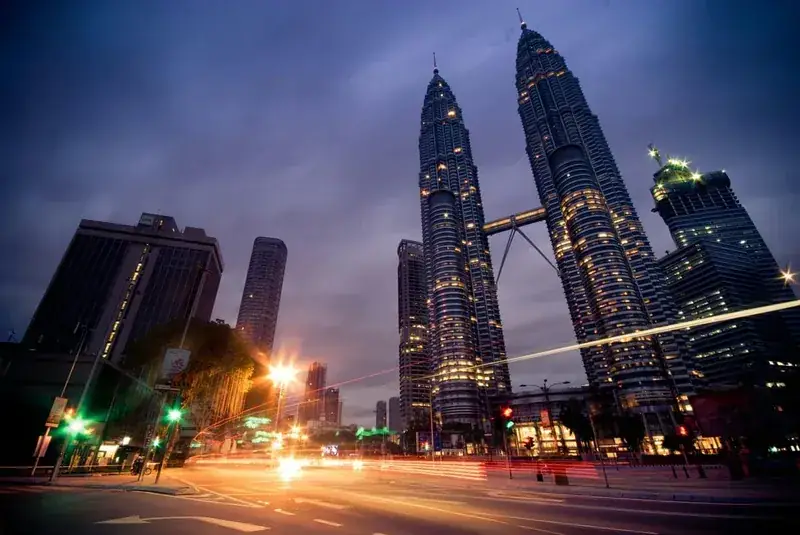
A stone's throw from KLCC, Kampung Baru is a preserved traditional Malay village amid the skyscrapers. It holds one of the city's best nasi lemak (especially in the morning), along with satay and authentic Malay food at gentle prices. A striking contrast with the Petronas Towers towering over the neighbourhood.
Breakfast: the real meal of KL locals
Do not skip Malaysian breakfast — it is an experience in itself. The classic options:
- Nasi lemak from 5-7 MYR, often sold in stalls or warung before 9 am.
- Roti canai with a teh tarik ("pulled" milk tea) — the national duo.
- Kaya toast: toasted bread, coconut jam and soft-boiled eggs, in traditional kopitiam (Chinese coffee shops).
- Bak kut teh: herbal pork rib soup, served from the morning in certain neighbourhoods (Klang and Kepong are famous).
The kopitiam are a cultural must: these old Chinese coffee shops where people have taken their coffee and toast for generations. Look for the ones with marble tables and ceiling fans.
Real prices and budget
In 2026, Kuala Lumpur street food remains among the cheapest in Southeast Asia for its quality.
- Breakfast: 5-10 MYR (roti canai + teh tarik, or nasi lemak)
- Lunch in a hawker centre: 8-15 MYR
- Dinner at Jalan Alor: 20-40 MYR including a drink and seafood
- Drinks: 2-5 MYR (fresh coconut juice, teh tarik, sugar cane)
- Dessert: 4-8 MYR
A traveller can therefore eat three times a day for under 50 MYR (about €10). It is one of Malaysia's great arguments for a gentle cost of living. Remember to keep cash: many stalls do not take cards. QR payments (DuitNow, Touch 'n Go) are increasingly common, but cash remains king.
Practical tips and etiquette
- Payment: bring cash, especially for stalls. Some offer a Touch 'n Go QR code.
- Drinks: in many hawker centres you cannot bring your own drink — one vendor holds the monopoly. Order at least one from them.
- Tissues: sometimes a packet of tissues left on a table means someone has reserved it. Do not move these markers.
- Spoon and fork: you eat with both, even for rice. The spoon is often used to cut.
- Water: never drink tap water; bottled or boiled water is the norm, and cheap.
- Getting around: Grab is cheap and everywhere for reaching the different food neighbourhoods. For a wider programme, see our guide to transport in Malaysia.
A one-day food itinerary
If you want to taste it all in a day, here is a realistic circuit:
- 8 am — Kampung Baru: early nasi lemak, the authentic technique.
- 11 am — Lot 10 Hutong: air-conditioned tasting of the classics (char kway teow, hokkien mee).
- 2 pm — Little India / Jalan Masjid India: roti canai, thosai and pulled tea.
- 5 pm — Chinatown (Petaling Street): desserts and cool drinks.
- 7 pm — Jalan Alor: grilled seafood dinner and night-time atmosphere.
Budget under 60 MYR for the day. Add a car with driver if you also want to discover addresses outside the centre, such as Klang for bak kut teh.
📋 Related procedures
FAQ — Where to eat in Kuala Lumpur
What is the best place for street food in Kuala Lumpur?
Jalan Alor (Bukit Bintang) for atmosphere and variety, especially in the evening. For value, favour neighbourhood hawker centres and Jalan Masjid India / Little India.
Is KL street food safe?
Yes, provided you choose busy stalls with local customers, where food is cooked to order and served hot. Avoid empty stalls and tap water.
How much does a meal cost in Kuala Lumpur?
In a hawker centre, expect 8-15 MYR (€1.5-3) per dish. At Jalan Alor, 20-40 MYR for a full meal. You can eat for under 50 MYR a day.
Can you eat halal in KL?
Yes, most Malay establishments and many hawker centres are halal. Little India offers abundant vegetarian and Indo-Muslim options.
What is the best time to visit Kuala Lumpur?
Year-round — it is a tropical city. The driest months run from May to July and December to February. Street food works in all weather, often under cover.
👉 Need help planning your food tour of Kuala Lumpur? Contact us
Things to do in Kuala Lumpur
Tickets and experiences at the best price — instant online booking. All activities →
Kuala Lumpur Half Day City Tour
Discover the urban paradise — Kuala Lumpur — on an exciting half-day city tour, visiting tallest skyscrapers and iconic monuments.
Kuala Lumpur City & Batu Caves Combo Tour
Get amazing experience here when you book this walking tour in Kuala Lumpur City & Batu Caves Combo (Private).
Genting Highlands and Batu Caves Day Tour
See more of Kuala Lumpur with this mountainside tour. Get a chance to visit Genting Highlands, Batu Caves and an optional side trip to Chin Swee Caves Temple, all in one day! Treat the whole family to a quick getaway with this tour and for instant confirmation.
Spa and Massage at Qi Forest IBIS Styles KLIA
Immerse yourself in tranquility with our spa and wellness experience at Qi Forest. Rejuvenate your body and mind with relaxation therapy, holistic healing, and nature-inspired treatments amidst the serene surroundings of IBIS Styles KLIA or Perhentian Marriott Resort & Spa. Discover our range of spa packages and embark on a journey to wellness. Book your rejuvenating experience now at Qi Forest.
Kuala Lumpur Suburbs Batu Caves Half-Day Tour
Explore the beautiful villages surrounding Kuala Lumpur, visit limestone Batu caves, local factories and more.
KL Hop-On Hop-Off Sightseeing Bus Pass
Get your KL Hop-On Hop-Off sightseeing bus pass now.
Where to stay in Kuala Lumpur
BonjourMalaisie selection — the best-rated for this stay. See all hotels →
J-Hotel by Dorsett
Sunday Hotel Subang

Palette KL Sentral Station Formerly Scott Hotel
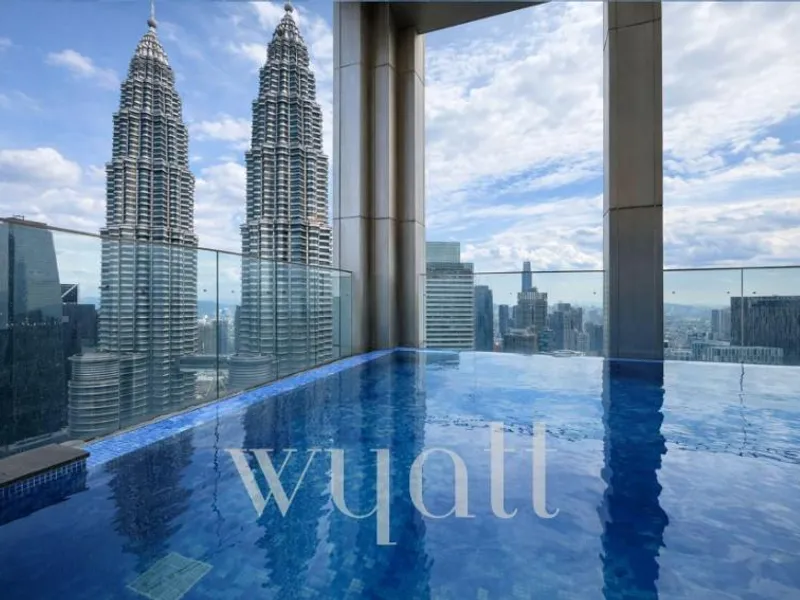
Tropicana The Residence Kuala Lumpur by Wyatt
Palette KL Sentral near Pudu LRT formerly RPC Blissful Homes
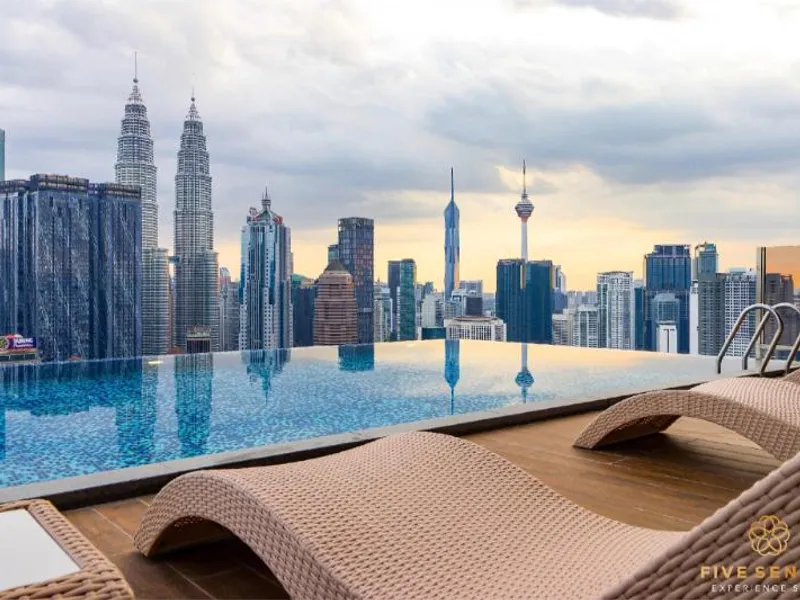
Armani Residence and Hotel Kuala Lumpur
Ready to explore Malaysia?
Book your transfer, plan your trips and find the right contacts.
You may also like

Langkawi: Beaches, Islands and Budget
A complete guide to Langkawi: the best beaches (Cenang, Tengah, Tanjung Rhu), island hopping and the Kilim mangroves, the SkyCab cable car, real daily budget, weather and practical logistics to plan your trip.

Working in Malaysia as a Foreigner: Work Permits, Salaries and Hiring Sectors (2026)
Complete 2026 guide to working in Malaysia as a foreigner: Employment Pass categories, salary thresholds, sectors hiring foreigners, employer steps and real-world salaries.

Diving and Snorkelling in Perhentian and Tioman: The Complete Guide
The complete guide to diving and snorkelling in Perhentian and Tioman: which island to choose, best season, must-dive sites, real 2026 prices, where to stay and how to get there from Kuala Lumpur.