
Malaysia Islands: Perhentian, Redang or Tioman — How to Choose (2026)
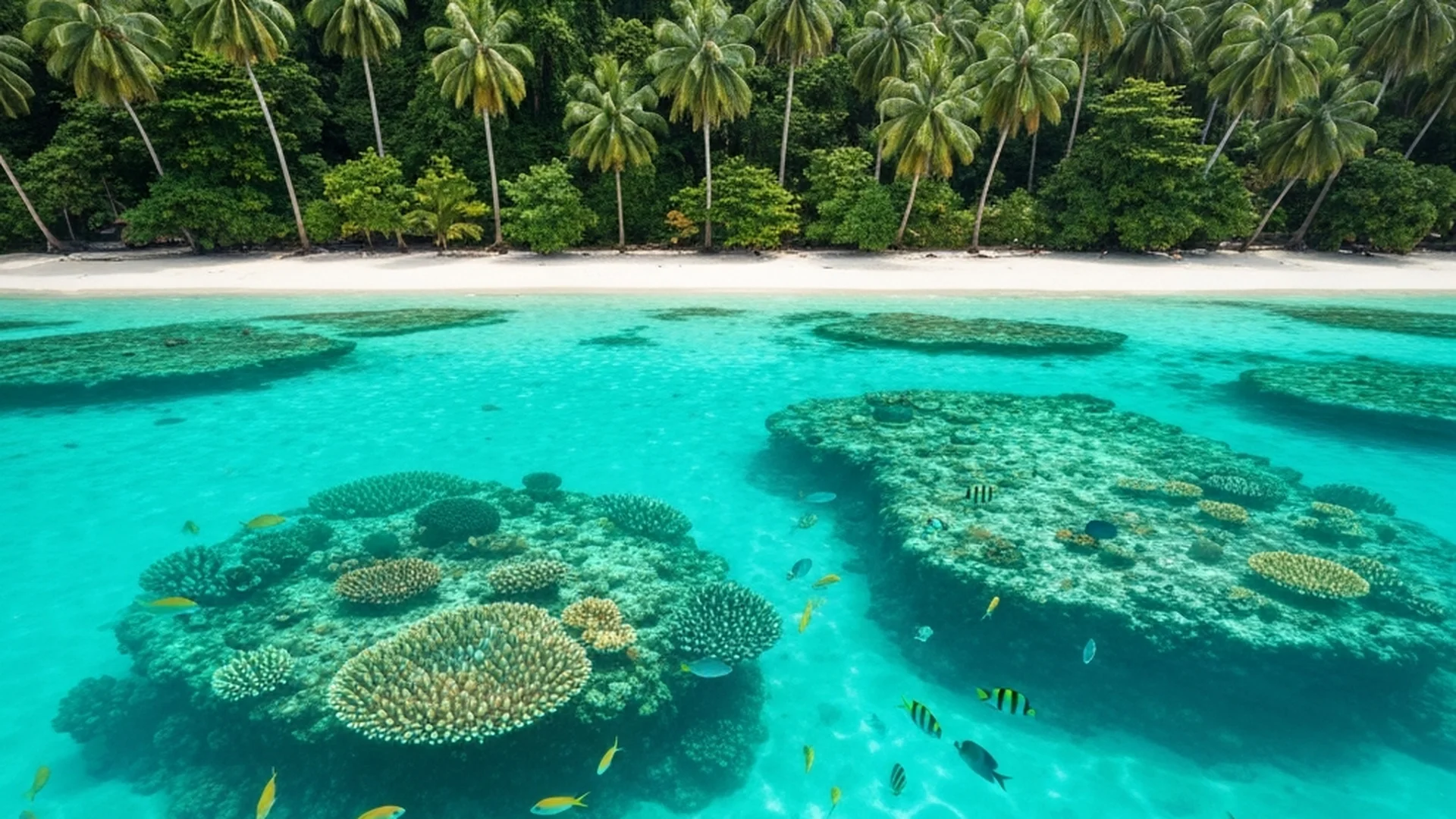
Perhentian, Redang, Tioman, Kapas or Rawa: which east coast island to pick in 2026? Seasons, access, budgets, snorkelling and mistakes to avoid — the complete guide.
Malaysia's east coast holds some of Southeast Asia's finest beaches, and the same question comes up every time you plan a trip: Perhentian, Redang or Tioman? These three headline islands of the South China Sea — plus two quieter ones, Kapas and Rawa — differ sharply in season, atmosphere and budget. Picking the wrong one can mean rain every day, a crowded resort, or a beach with nothing open.
This guide compares the five islands, explains how to reach them from Kuala Lumpur, Penang or Singapore, breaks down real budgets, and says plainly which island suits which kind of traveller.
East coast or west coast: the monsoon decides for you
Before choosing an island, choose a season. Peninsular Malaysia runs on two opposing monsoon patterns, and this simple fact explains most ruined trips.
- East coast (Perhentian, Redang, Tioman, Kapas, Rawa): dry and sunny from March to October, wet from November to February. Ferries, dives and many resorts shut between November and January.
- West coast (Langkawi, Penang, Pangkor, Port Dickson): the opposite. Best from December to April; September to November is the wettest stretch.
In practice: travelling between June and September, head east. Going in January or February, aim for Langkawi or Penang, where it stays dry while Perhentian is closed. May and October are transition months — weather can flip from one day to the next on either coast.
One more timing factor: the Malaysian weekend. East coast islands fill up on Friday and Saturday nights, when people from Kuala Lumpur and Singapore come over for two nights. A Sunday night on Perhentian feels nothing like a Thursday morning on the same beach.
The five islands at a glance
- Perhentian — two islands (Kecil for nightlife, Besar for quiet), excellent snorkelling straight off the beach, backpacker and family friendly, flexible budgets. The safe bet for a first visit.
- Redang — the postcard island of the group: white sand, turquoise water, blacktip reef sharks and green turtles, mostly full-board packages. Ideal for couples and families who want everything arranged.
- Tioman — the largest and most varied: villages, rainforest, waterfalls, wilder beaches in the south. Easiest to reach from Singapore. Best for four-day-plus stays.
- Kapas — tiny, flat, car-free, barely developed. A paradise for doing nothing and learning to dive. Go there knowing you will do little else.
- Rawa — the most exclusive: one upmarket resort, a huge beach, very few people. Priced accordingly.
Perhentian: the best beach-and-snorkelling compromise
Perhentian is actually two main islands separated by a strait you cross by water taxi for a few ringgit.
Perhentian Kecil: life, bars and backpackers
Kecil holds the budget stays, beach restaurants, campfire bars and most of the nightlife. Its main village, Long Beach on the east side, is the beating heart; Coral Bay on the west is calmer and where most snorkelling trips depart.
Perhentian Besar: quiet and family-friendly
Besar is larger and greener, with mid-range and upmarket resorts in a noticeably quieter setting. You go there to sleep to the sound of waves, not to go out.
Perhentian's real strength is the beach itself: mask and snorkel in hand, you will see coral, parrotfish and occasionally small turtles metres from the sand, without taking a boat. Organised trips run half-day or full-day to five or six sites around the archipelago. It is also one of the cheapest places in Malaysia to complete your Open Water certification.
Redang: turtles and all-inclusive packages
Redang plays a different game: nearly all accommodation consists of large full-board resorts with transfers, meals and snorkelling trips included. You book a two- or three-night package, drop your bag, and stop worrying about money.
The island is known for its green turtles and blacktip reef sharks, regularly seen at the Marine Park sites north of the island. The sand is strikingly white and the water a deep turquoise.
Two caveats: Redang is more expensive than Perhentian at equivalent comfort, and independent dining options are limited. If choosing your own dinner every evening matters to you, think twice.
Tioman: the easiest to reach and the most varied
Tioman is the largest of these islands and, as a result, the most diverse. It combines permanently inhabited villages, protected rainforest, waterfalls you can walk to, and far wilder beaches in the south.
It is also the most practical: fly in from Kuala Lumpur or Singapore, or take a bus to Mersing and then a ferry. For a four- or five-day stay, Tioman offers more to do than Perhentian or Redang without ever feeling cramped.
Tioman is a recognised diving destination too, with well-known sites such as Chebeh, Tiger Reef and Fan Canyon, plus an accessible wreck. Accommodation ranges from dorm beds to resorts within the same village.
Kapas and Rawa: the islands for doing nothing
Both suit one specific profile: the traveller who wants an empty beach, a book and little else.
- Kapas is flat, walkable end to end in about twenty minutes, with only a handful of places to stay. No cars, no ATM, no bustle. Its reef is ideal for a first dive and the swimming is calm. What it lacks is dining variety and entertainment — if you get bored after a day, this is not your island.
- Rawa is a special case. The island revolves around a single upmarket property occupying a long beach. Rates sit well above the archipelago average, in exchange for rare quiet. Outside visitors are limited, which keeps the beaches uncrowded.
How to get there from Kuala Lumpur, Penang or Singapore
Travel always happens in two stages: reach a port or airport, then take a boat. The figures below are indicative orders of magnitude — recheck them when you book.
- Perhentian: fly to Kota Bharu then roughly an hour by road to Kuala Besut, or take an overnight bus from KL. From Kuala Besut jetty, the boat crossing takes about thirty minutes. Boats run in daylight only, and the sea can be rough at the start and end of the season.
- Redang: fly to Kuala Terengganu or take a bus from KL, then a boat from Merang or Shahbandar jetty. Most resorts include the transfer in their package.
- Tioman: direct flights from Kuala Lumpur (Subang) or Singapore (Changi) to the island, or bus to Mersing then a one- to two-hour ferry depending on your stop.
- Kapas: boat from Marang, about twenty minutes by road from Kuala Terengganu.
- Rawa: boat from Mersing, resort guests only, transfer usually included.
Two non-negotiable rules: book your ferry in advance during school holidays and weekends, and leave half a day of slack before your flight home — rough seas often mean cancelled crossings, and boats do not sail after dark.
Where to stay: kampung, chalet or resort
Accommodation falls into three families, and your choice mostly comes down to comfort.
- Guesthouses and small kampung stays: fan, sometimes cold water, shared bathrooms, but often a prime location and very low prices. Perfect for a few nights.
- Standalone chalets: the most common mid-range option on Perhentian and Tioman. Air conditioning, private bathroom, small terrace.
- Resorts: real comfort and full services on Besar, Redang and Rawa. On Redang, booking almost always happens as a package including meals and trips.
Book early for July and August, and always check whether the displayed rate includes the boat transfer: on Redang and Rawa it can be a significant share of your budget.
Budget: what to expect per day
Indicative ranges per person per day, excluding transport to the island, in Malaysian ringgit (MYR):
- Backpacker: fan guesthouse, local eateries, snorkelling with your own mask. The lowest order of magnitude of any east coast island.
- Mid-range: air-conditioned chalet, two restaurant meals, one organised snorkelling trip and the occasional dive.
- Comfort: resort, half or full board, guided dive trips and private transfers.
Three items drive costs up: boats (return crossing plus water taxis between beaches), diving if you practise it, and beer — far pricier on an island than in Kuala Lumpur. Local food stays cheap everywhere, and east coast islands are cheaper overall than Langkawi.
Bring cash as well: ATMs are rare or non-existent on Kapas and Rawa, and card terminals are unreliable even on busier islands. Stays and packages are often paid in cash or by transfer, less often by card.
Diving and snorkelling: what to book and at what price
The archipelago is an established diving destination, with warm water year-round and often excellent visibility.
- Snorkelling: half-day or full-day boat trip, gear included, several sites. The most accessible and popular option.
- Fun dive: guided dive for certified divers, usually two dives per trip.
- Courses: Perhentian and Tioman concentrate English- and French-speaking schools, generally cheaper than the west coast.
Do not pre-book dives from abroad before arriving: dive centres adapt to the day's weather and sea conditions. If you are aiming at a full certification, though, contact the centre a few weeks ahead to hold dates and confirm a French-speaking instructor.
Mistakes to avoid
- Coming to the east coast between November and February: no ferries, closed resorts, rough seas.
- Booking a return flight the same day you leave the island: one cancelled crossing and you miss it.
- Arriving without cash: no fallback on Kapas or Rawa.
- Confusing Kecil and Besar on Perhentian: one is a party island, the other is silent; they suit different travellers.
- Ignoring sun and reef protection: mineral sunscreen recommended, and never touch coral, turtles or sharks.
- Booking Redang room by room: packages almost always offer better value.
- Underestimating distances between spots: water taxis are charged per trip and add up fast.
Which island for which traveller
- First time in Malaysia, beach and snorkelling: Perhentian.
- Couple or family wanting an all-inclusive package: Redang.
- Four days or more, wanting variety: Tioman.
- Total idleness on a small budget: Kapas.
- Upscale seclusion: Rawa.
- Travelling outside the east coast season: switch to Langkawi or Penang.
FAQ: Malaysia's islands
When is the best time to visit the east coast islands?
March to October. June, July and August offer the most reliable conditions, at the cost of peak crowds. Early May is a good compromise between decent weather and manageable numbers.
Perhentian or Redang for a first visit?
Perhentian is more flexible: several price brackets, independent restaurants, snorkelling straight off the beach. Redang suits those who prefer a closed all-inclusive package with turtles on the itinerary.
Should I book the ferry in advance?
At weekends, during school holidays and on public holidays, yes — days ahead. Outside peak periods you can generally book a day ahead for the next morning.
How much does a day on Perhentian cost?
It depends entirely on comfort. A day in a fan guesthouse with local meals costs far less than a resort day with guided diving. Food and basic lodging rank among the cheapest in Malaysia; beer and water taxis push the bill up.
Can I pay by card on the islands?
Partly on Redang and at Besar resorts. On Kapas and Rawa, bring cash. On Perhentian and Tioman, small businesses often accept mobile payment, but not reliably: always carry some cash.
Are the islands suitable for families with children?
Yes, if you choose carefully: Perhentian Besar, Redang and Tioman's villages offer calm water and comfortable accommodation. Avoid Long Beach on Perhentian Kecil if you want quiet, and check the water depth in front of your beach.
How do I reach Tioman from Kuala Lumpur or Singapore?
Fastest is the direct flight to the island from Subang or Changi. Otherwise, bus to Mersing then ferry. Allow plenty of time: bus-to-ferry connections are unforgiving when something runs late.
Go further
- Perhentian destination guide — beaches, stays and trips
- Redang destination guide — packages and dive sites
- Tioman destination guide — villages and hikes
- Kapas destination guide — the quiet little island
- Rawa destination guide — the upmarket island
- Langkawi destination guide — the west coast alternative
- What to do in Cameron Highlands — the cool highland stop
- Contact us — transfers, excursions and quotes
Ready to explore Malaysia?
Book your transfer, plan your trips and find the right contacts.
You may also like

Saying Hello in Malay: Essential Words and Phrases for Tourists and Expats
How to say hello in Malay and be understood in Malaysia: greetings, politeness, restaurants, taxis, healthcare, housing and paperwork. The vocabulary both tourists and expats actually need, with pronunciation and the traps to avoid.
Cameron Highlands: What to Do, 2-Day Itinerary and Budget (2026)
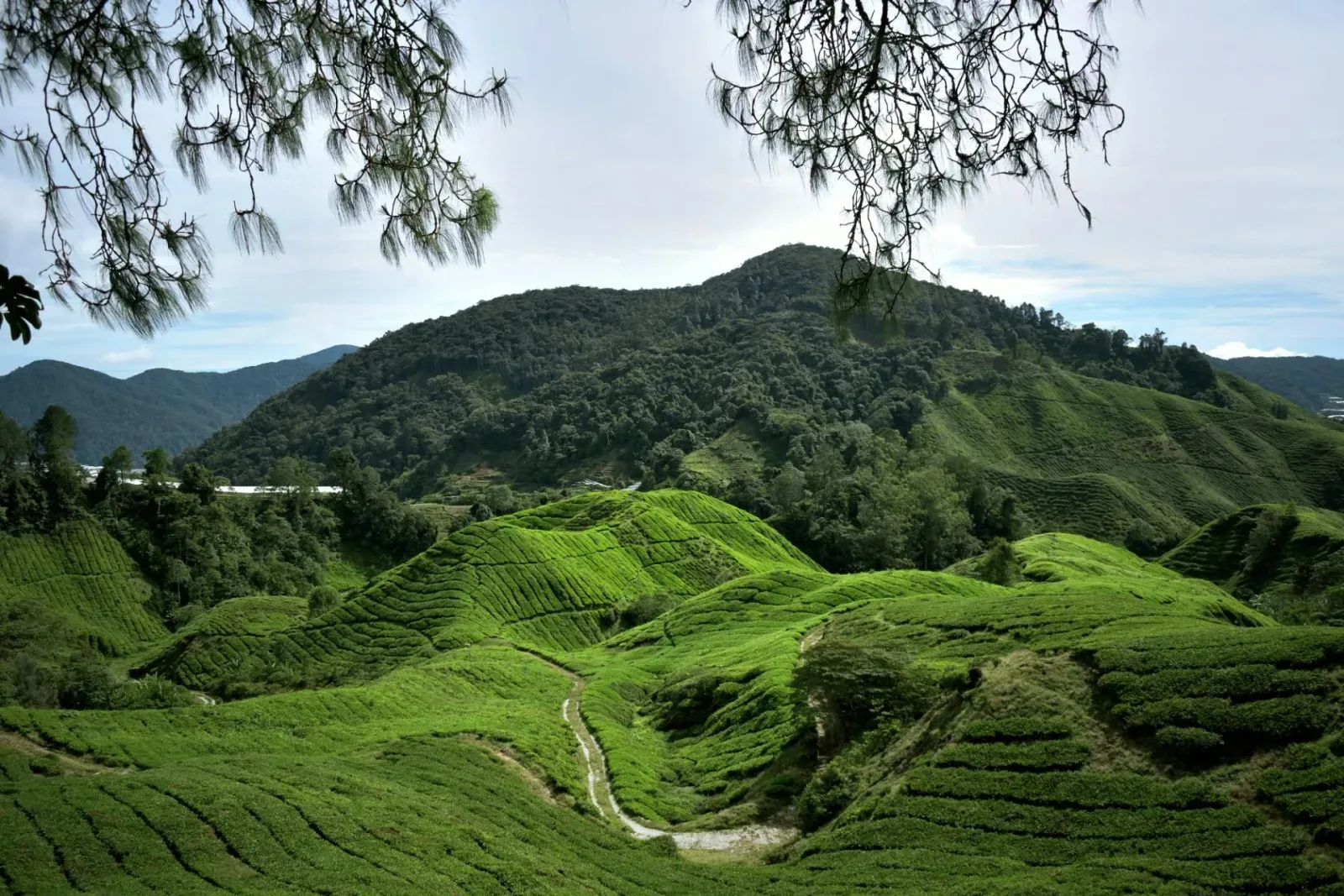
A complete Cameron Highlands itinerary for 2026: BOH tea plantation, Mossy Forest, strawberry farms and the Brinchang night market. How to get there from Kuala Lumpur, where to stay, real budget and the mistakes to avoid.

MM2H 2026: Requirements, Tiers and Costs of Malaysia's Long-Stay Visa
MM2H 2026 explained: the four categories (Silver, Gold, Platinum, SEZ/SFZ), fixed deposits, compulsory property purchase, minimum stay, real fees, tax treatment, health insurance and the full application process.