
Rawa Island and the Islands of Johor: The Complete Guide (2026)
Key facts
2026 guide to Rawa Island and the Johor archipelago: ferries from Mersing, prices, east coast monsoon, snorkelling, Kapas, Besar, Sibu and Tinggi islands, 3-day itinerary.
Rawa Island and the Islands of Johor: The Complete Guide (2026)
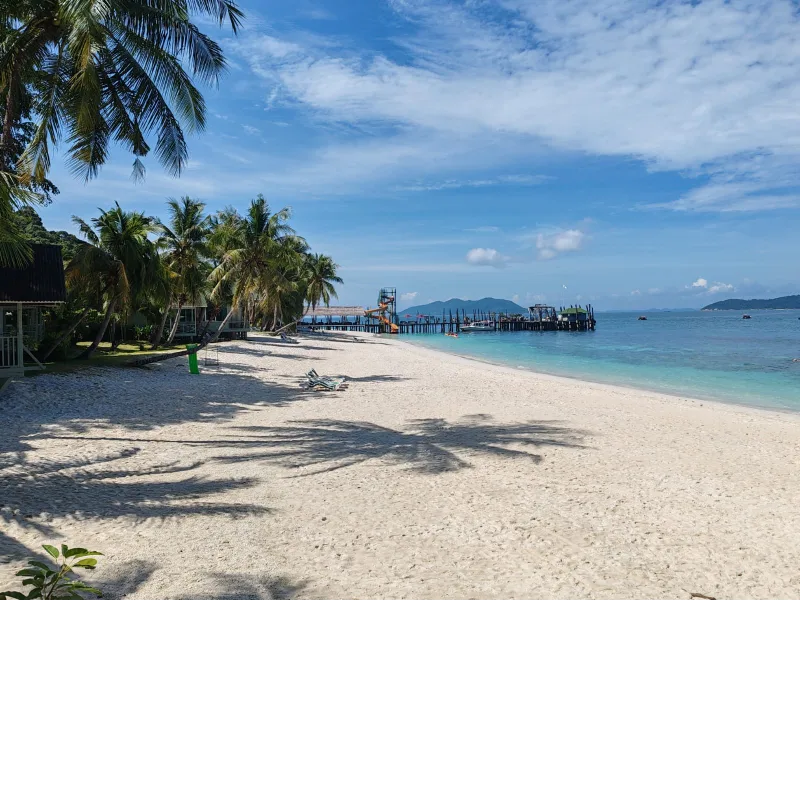
Rawa Island produces one of Malaysia's most reproduced images: a wooden jetty, motionless turquoise water, slides that drop straight into the sea. It is also one of the least documented destinations in English beyond a booking page. Over the last 28 days the query "rawa island" generated 77 impressions on our site at an average position of 8.4, with a single short destination guide as the only content. That is exactly the kind of page missing the manual: how you get there, what it costs, when to go, and why you need to book six months ahead.
This article covers Rawa Island and, more broadly, the Johor archipelago — the southernmost state of the peninsula, with more than 50 islands and a very uneven offering: two private upscale islands (Rawa, owned by the Johor sultanate), affordable backpacker islands (Kapas, Besar), islands largely closed to the public (Sibu, Tinggi) and family resorts on the mainland coast (Desaru, Mersing). We cover the real logistics from Kuala Lumpur and Singapore, 2026 prices, the monsoon, diving and a three to four day itinerary. Everything is verifiable, nothing is romanticised.
Where Rawa and the Johor islands are
Rawa Island sits about 16 km off Mersing, on the east coast of Johor state, roughly halfway between the Tioman archipelago (north) and Singapore (south). It is served by ferry from the Mersing jetty, a 20 to 30 minute crossing depending on the sea.
Geography matters more than most visitors expect, because it determines three things: your travel time, the water quality and the price. The east coast of Johor faces the South China Sea; the water is clear but plankton-rich at certain periods, and visibility varies sharply with the season. The west coast (Desaru, Kota Tinggi) faces Singapore and the strait: sandy bottoms, greener water, small waves, good for families with young children but far less spectacular for snorkelling.
Mersing is the near-unique gateway to the islands: its jetty is where ferries leave for Tioman, Rawa, Besar, Sibu and Tinggi. The town itself has no tourist interest, which explains an important practical point: most travellers spend a night there before the morning ferry, or arrange a transfer from Kuala Lumpur arriving the evening before.
Rawa Island: what to know before booking
Rawa is a private island owned by the Johor sultanate and operated by just two establishments: Rawa Island Resort (north side, family-oriented, historic) and Alang's Rawa (south side, simpler, popular with divers and families with children). There is no village, no street, no shop, no ATM. You book full board or half board and you live on site.
That is both the charm and the surprise: most visitors describe three days of total disconnection, no cars, no shops, with swimming, snorkelling, kayaking and doing nothing as the only activities. The sea slides, heavily photographed on social media, belong to Rawa Island Resort and are not available to Alang's guests.
Three realities to accept before paying:
- The price. This is one of the most expensive islands in Malaysia per night, especially in high season with full board. Rates rise every year and weekend packages sell out months ahead.
- The capacity. The two resorts total a few hundred beds. During Singaporean and Malaysian school holidays, everything is full three to six months ahead.
- The lack of flexibility. Ferries are aligned with resort schedules (usually one morning departure, one afternoon return). Miss the ferry and you miss the night.
If you want an island with restaurants, bars, organised excursions and total freedom, Rawa is the wrong choice: look at Kapas or Besar, or the Perhentians in Terrengganu. Our islands and ferries page details available crossings and our Rawa destination guide summarises the essentials on one page.
Getting to Mersing from Kuala Lumpur or Singapore
This is the part that puts off most travellers, yet it is simple once understood. Mersing is about 330 km from Kuala Lumpur (4 to 4.5 hours' drive) and 130 km from Johor Bahru (2 to 2.5 hours), itself 45 minutes from the Singapore border.
By car or with a driver, it is the most comfortable option: expressway to Segamat or Kluang, then the national road to Mersing. The drive is straightforward, but leave early so you do not miss the ferry. Our car hire with driver service is built for this kind of transfer, with pickup at your hotel or the airport.
By bus, daily services run from Kuala Lumpur (TBS) to Mersing in 5 to 6 hours, mostly late evening and early morning departures. It is cheap but poorly compatible with a morning ferry: plan a night in Mersing.
From Singapore, two options: a direct bus to Mersing (local operators, 2.5 to 3 hours after the border) or a private cross-border transfer from Changi airport. Many Singaporean visitors take the ferry from Changi Point to Desaru or Tanjung Belungkor, which shortens the drive but does not lead directly to Mersing.
One point not to overlook: during the east coast monsoon (November to February), island ferries are frequently cancelled or delayed. Allow at least half a day of margin each way and keep the resort's WhatsApp contact. Our transport in Malaysia page summarises bus, train and car options with real journey times.
When to go: the east coast monsoon
The east coast of the peninsula runs on an inverted calendar compared with the west coast. The dry season runs from March to October, with the clearest water in June and July. The northeast monsoon blows from November to February, bringing sometimes continuous rain and rough seas — several resorts on the Johor and Tioman islands close entirely in January and February.
For Rawa, the best window is therefore March to September, with two caveats: weekends and Singaporean school holidays (mid-March, June, late November) are saturated and more expensive; and late September marks a rainy transition. April and May, or September outside holidays, offer the best weather-crowd ratio.
Water temperature stays between 28 and 30°C all year, and the region's reefs, already hit by the 2023-2024 bleaching event, are more colourful early in the dry season, before the water warms in June and July.
Snorkelling and diving: what you actually see
The east coast of Johor does not have the reefs of Sipadan or the Perhentians, but it offers three things: proximity, calm water on the Rawa side, and easy access from Singapore. The classic spots around Rawa are the house reef (accessible from the beach, with hard corals, parrotfish, clownfish and a few turtles) and the neighbouring islands of Sibu, Tinggi and Besar on boat trips.
Two honest points. First, visibility is not guaranteed: in the rainy period, 3 to 5 metres is common, against 10 to 15 metres in the middle of the dry season. Second, shore snorkelling is confined to a small area and can be closed depending on swell.
For certified divers, the centres on Kapas and Besar are more active and cheaper than Rawa's, with trips to wrecks and nearby islets. Our activities page lists bookable trips, and our Perhentian-Tioman diving guide covers the major sites if you are after big diving.
If you want some non-marine nature, Endau-Rompin National Park, west of Mersing, protects 870 km² of forest with waterfalls and rapids — but access requires organisation (permit, guide) and cannot be improvised. Our Taman Negara page gives the mainland jungle equivalent.
The other Johor islands: Kapas, Besar, Sibu, Tinggi, Aur
Not all Johor islands are equal. Here is what matters, plainly.
Kapas Island is the most accessible and affordable: short ferries from Marang (Terrengganu, just north of the border), simple accommodation, white sand, clear water. The right choice for a backpacker budget.
Pulau Besar is larger, with several mid-range resorts and jungle trails. Less spectacular than Rawa, much freer.
Pulau Sibu hosts a few resorts, including a historic one, and stays quiet outside weekends. Pulau Tinggi is volcanic, with a fishing village and very simple lodgings; Pulau Aur is the wildest and most remote, for divers only.
To compare with better-known islands, our east coast islands guide and our Tioman page give journey times and seasons.
Budget and itinerary: 3 days on Rawa, 4 days in the archipelago
For two people on full board at Rawa in high season, budget 2,500 to 4,000 MYR in total depending on the resort, room category and number of nights — roughly 500 to 800 EUR. The transfer from Kuala Lumpur adds 400 to 700 MYR by car with driver, or 60 to 100 MYR per person by bus.
A realistic three-day itinerary: leave Kuala Lumpur at 6 am, reach Mersing around 10.30 am, ferry at 11 am, check in at 11.30 am, afternoon on the beach and snorkelling, dinner at the resort; day two for a boat trip to the islets or a dive; day three, mid-morning return ferry, drive back to Kuala Lumpur or Singapore, arriving in the evening. Four days let you add Kapas or Besar and vary the reefs.
For the overall cost of a trip to Malaysia, our cost of living page gives orders of magnitude by category, and our 2-week budget article details a full trip.
Where to stay
On Rawa, only the two island resorts, booked direct. In Mersing, a simple hotel night before the ferry is often necessary. In Desaru, mainland family resorts offer an alternative without a ferry. Our hotels page lists accommodation by destination.
FAQ
How long does it take to get from Kuala Lumpur to Rawa?
Allow 4 to 4.5 hours' drive to Mersing, then a 20 to 30 minute ferry. With connections, a full day is needed each way.
Can you visit Rawa for the day?
No. The island is private and access is via the two resorts' ferries, for guests only. There is no public day trip.
What is the best time to visit Rawa?
March to September. Avoid November to February, the monsoon period when several resorts close.
Should you book in advance?
Yes, three to six months ahead in high season and during Singaporean school holidays.
Is snorkelling included?
Gear is generally lent or rented on site; boat trips are paid and weather-dependent.
👉 Planning a trip on the east coast? Contact us to organise the Mersing transfer, ferry and accommodation, or browse our island and ferry services.
Ready to explore Malaysia?
Book your transfer, plan your trips and find the right contacts.
You may also like
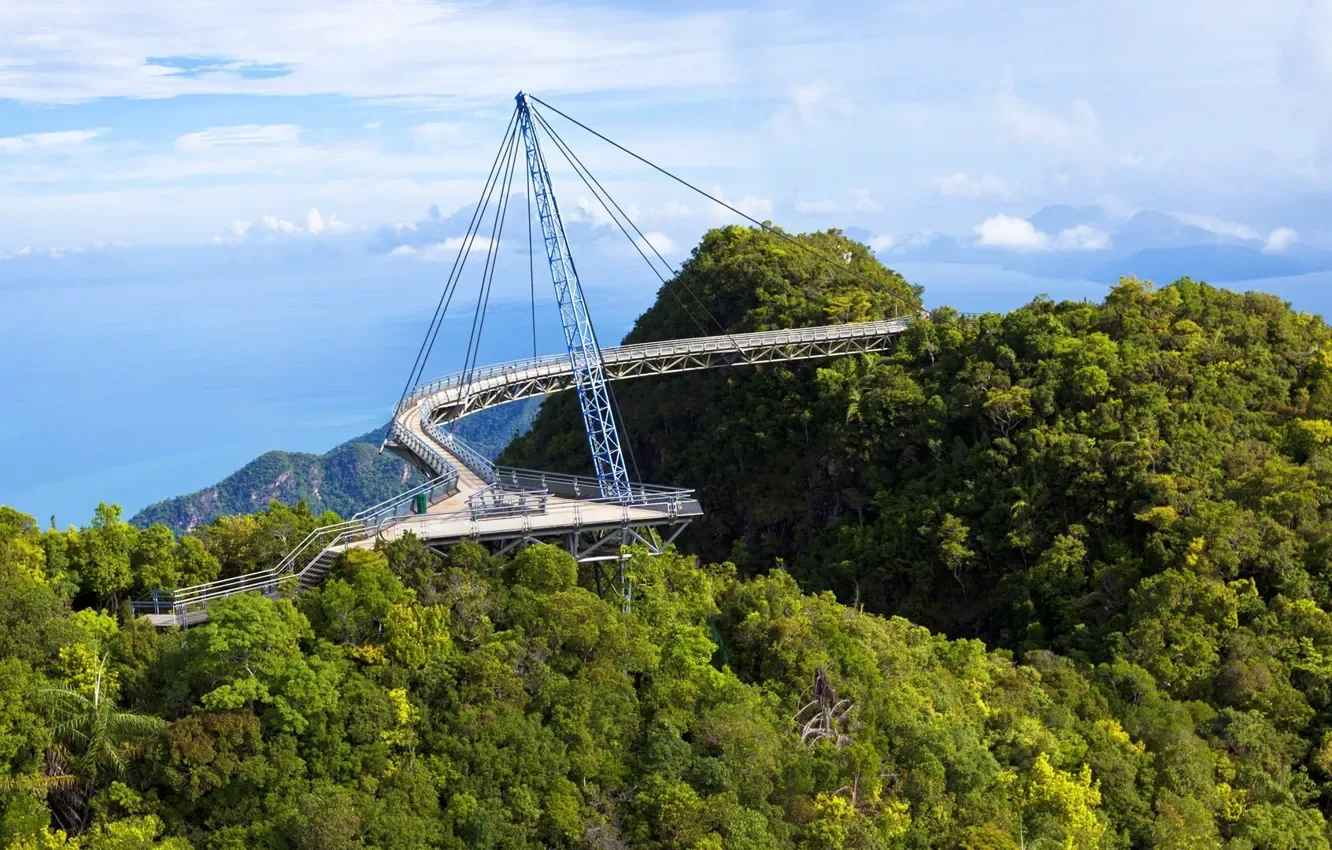
Langkawi: Beaches, Islands and Budget
A complete guide to Langkawi: the best beaches (Cenang, Tengah, Tanjung Rhu), island hopping and the Kilim mangroves, the SkyCab cable car, real daily budget, weather and practical logistics to plan your trip.
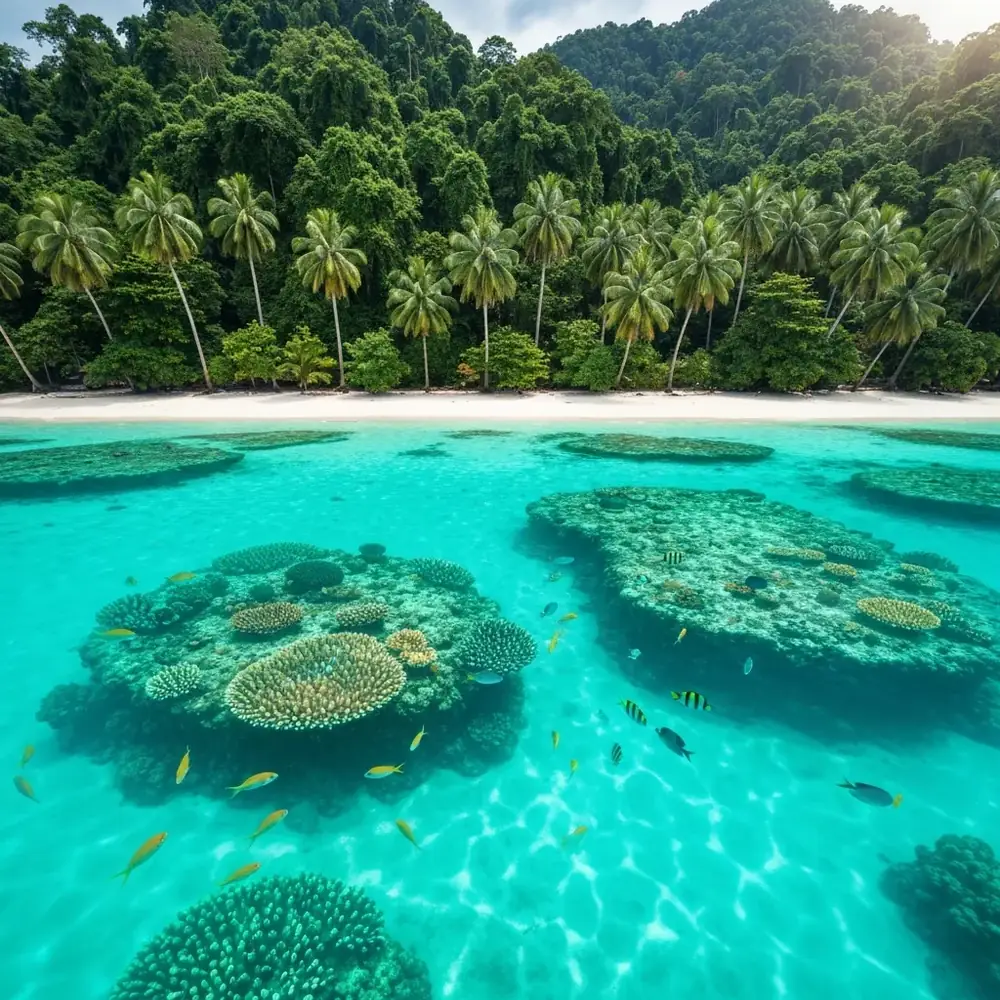
Diving and Snorkelling in Perhentian and Tioman: The Complete Guide
The complete guide to diving and snorkelling in Perhentian and Tioman: which island to choose, best season, must-dive sites, real 2026 prices, where to stay and how to get there from Kuala Lumpur.
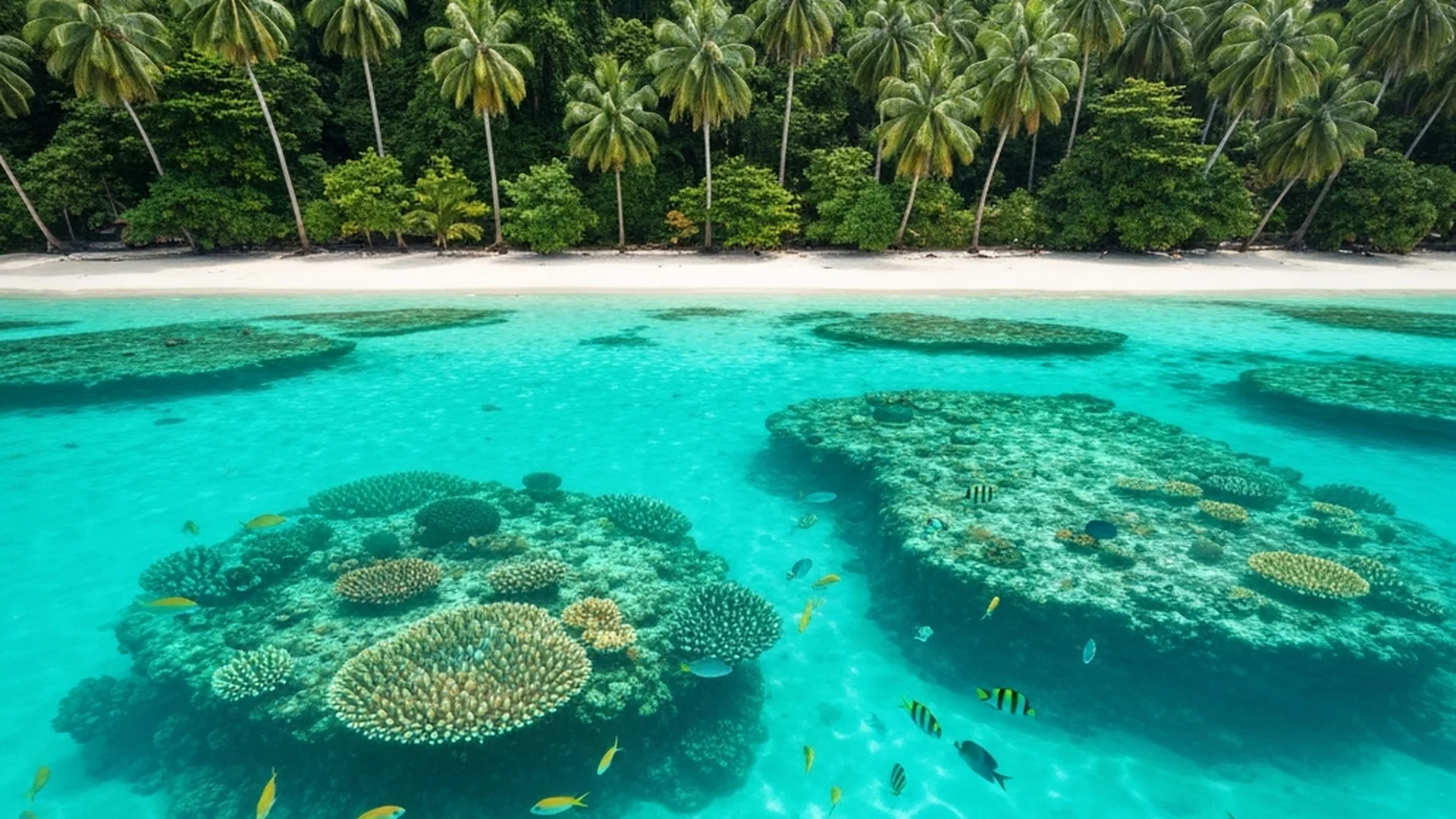
Malaysia Islands: Perhentian, Redang or Tioman — How to Choose (2026)
Perhentian, Redang, Tioman, Kapas or Rawa: which east coast island to pick in 2026? Seasons, access, budgets, snorkelling and mistakes to avoid — the complete guide.