
Malacca's Chinese Quarter: The Neighbourhood Most Visitors Miss (2026)
Key facts
A guide to Malacca's Chinese quarter: Cheng Hoon Teng, temples, Peranakan lanes, springs and a nyonya food circuit, half-day itinerary, budget in ringgit and real opening hours.
Malacca Beyond the Colonials: The Chinese Quarter and Its Springs
Malacca with one extra day: what most visitors miss
Most guides present Malacca as a pretty colonial town to cover in two days: the Dutch quarter, Christ Church, the Baba-Nyonya museum and the Jonker Street night market. All true, and all part of why so many travellers leave with the feeling they "did" Malacca in one photo. The city has a second centre of interest, further north, which the classic route almost never crosses: the Chinese quarter and its springs, a network of water points where a cuisine that exists nowhere else in South-East Asia comes together.
The Chinese quarter is the oldest part of central Malacca, about 2 km north of the Dutch district, and it is where you understand how the city was actually built: through water, trade and food. That is also where the city's oldest community installed itself, five centuries ago.
This guide complements Malacca in 2 days and proposes a half-day to full-day programme for travellers who want to go beyond the postcard.
Contents:
- Why this quarter is the real heart of Malacca
- How to get there and where to stay
- The historical circuit: streets, temples and wells
- The food circuit: the springs and dishes to try
- An optimised half-day itinerary
- Budget and opening hours
- FAQ
The full route through the colonial town and Jonker Street is already covered in Malacca in 2 days; from there, continue north.
Why the Chinese quarter is the real heart of the city
The Chinese quarter (around Jalan Bunga Raya, Jalan Raya Merdeka and the Malacca river) was founded by Chinese merchants settled from the 15th century. It produced its own culture: baba-nonya (Peranakan), a blend of Chinese and Malay traditions that shaped the architecture, the language and above all the food.
You visit it for three reasons:
- The buildings: narrow Chinese merchant houses with tiled gables and pastel façades, in sharp contrast with the red brick of the Dutch district.
- The places of worship: Cheng Hoon Teng temple (1645), the oldest Chinese temple in Malaysia; the Sri Poyatha Moorthi temple; the Kampung Keling mosque (1728).
- The springs and shophouses: restored merchant houses that explain how water, trade and cuisine shaped the town.
The circuit is on foot, mostly free. Allow 2 to 3 hours for the essentials, half a day with the detours.
How to get there and where to stay
The Chinese quarter is 2 km from the Dutch square, a 25–30 minute walk along Jalan Bunga Raya. Three options:
- On foot from Jonker Street, crossing the Malacca river and its footbridges: best before 10 am.
- By Grab: 6–10 RM from the centre, 5–10 minutes.
- By bicycle: several shops rent bikes for 20–30 RM a day; the area is flat.
For accommodation:
- Sleep in the Chinese quarter (Jalan Bunga Raya / Jalan Raya Merdeka): guesthouses in restored shophouses, 120–220 RM for a double with private bathroom, more in high season.
- Sleep near Jonker Street: more convenient for the night market and restaurants, 150–300 RM for a boutique hotel.
If you only stay one night, choose the historic centre and plan a morning for the Chinese quarter. Our accommodation page covers neighbourhoods across Malaysia; for Malacca, hotels can be compared through our hotel partners.
A short history of the quarter
Chinese merchants were trading in Malacca before the Portuguese arrived in 1511, and some settled here permanently under the Sultanate. When the Dutch took the city in 1641 they moved the Chinese community north of the river, which is how the quarter as we know it came to be. That forced displacement is exactly what made it distinct: cut off from the Dutch administration, the community organised itself around its own temples, guilds and markets, and kept its social structures intact for centuries.
The streets still carry those functions. Jalan Tokong was the artisan street, Jalan Bunga Raya the merchant street, and the little lanes in between held the family compounds. Walking them today, you read four centuries of trade in shophouse widths: a narrow frontage meant a lower tax, so the buildings grew long rather than wide, with courtyards to let in light and rain.
What to look for in the shophouses
- Air wells: almost every long shophouse has one or two internal courtyards. They provide light and ventilation without opening onto the street — a subtropical technique, perfectly adapted to the climate.
- Five-foot ways: the covered walkways in front of the shops, designed so that customers can move between shops without stepping into the sun.
- Tiled gables: the curved Chinese gables and imported tiles indicate the wealth of the original owner; the more elaborate the gable, the older the trade.
- Signboards: many are still carved with the family name and the Chinese characters of the shop, sometimes over a hundred years old.
Practical notes for first-time visitors
A few concrete points that make the difference on the ground, beyond the itinerary:
- Cash is king: bring 80–100 RM in small notes. Most stalls and several guesthouses do not accept cards, and the nearest ATM is a 10-minute walk away.
- Water and heat: the quarter is dense and shaded in parts, but the walk between the river and Jalan Tokong is exposed. Carry a bottle; refill stations are common in kopitiam.
- Accessibility: the area is flat and mostly wheelchair-accessible, except for the temple thresholds, which are raised. The museum has a step at the entrance.
- Photography: the temples welcome photographers outside prayer times; ask before photographing worshippers. The lanes are best photographed in the morning light, before 10 am.
- Languages: English is widely spoken in the shops; Malay and Mandarin are common, and some older residents still speak Baba Malay, a creole that is now endangered.
- Duration from Kuala Lumpur: about 2 hours by road, or 1 h 45 by car with driver if you leave before 7 am. A day trip is possible, but an overnight stay lets you see the quarter early, when it is at its best.
Where to eat, concretely
Two or three addresses make the food circuit easier, without pretending to be exhaustive:
- On Jalan Bunga Raya, a cluster of kopitiam serves breakfast from 7 am: kaya toast, soft-boiled eggs, kopi. Expect 6–10 RM and benches shared with locals.
- Around Jalan Tokong, family-run nyonya restaurants serve laksa, pongteh and ayam pongteh from 11 am. Book ahead at weekends, when Malacca day-trippers fill every table.
- Along the river, spring stalls sell sugarcane juice pressed to order, coconut water and ginger drinks from mid-morning until late afternoon.
For a full overview of Malaysian street food and where to find it, see our guide to eating in Kuala Lumpur — the logic of hawker centres applies here too.
The historical circuit: streets, temples and wells
Start on Jalan Bunga Raya, the historic shopping street of the quarter.
Cheng Hoon Teng, the oldest Chinese temple in Malaysia
The essential starting point. Founded in 1645, this Taoist temple was built with materials imported from China, traditionally without a single nail. It is still active: worshippers burn incense sticks every morning and leave offerings on the altars. Entry is free; a 5–10 RM donation is customary. Allow 30–40 minutes.
Sri Poyatha Moorthi temple and Kampung Keling mosque
A few minutes' walk away, two places of worship remind you that the quarter was a multicultural trading hub. The Sri Poyatha Moorthi Hindu temple and the Kampung Keling mosque (1728) can be visited from outside; you may enter outside prayer times if you ask the caretakers. Dress modestly and remove your shoes.
The well and the lanes
Heading up Jalan Tokong, you pass lanes lined with low merchant houses where carpentry and ironwork workshops are still active. The historic well of the quarter sits there too, a reminder that water was long a scarce resource and a matter of power.
The Peranakan museum
The small Peranakan museum, about 10 minutes' walk away, tells the story of the Chinese merchants, their trade and their daily life. Entry costs around 15 RM and the visit takes 45 minutes. It is often empty in the morning, which makes it very pleasant.
The food circuit: the springs and dishes to try
The Chinese quarter is above all a food quarter, and the spring — the water point on the Malacca river that you cross to reach the quarter — is the thread running through it. Along the river, spring stalls serve traditional drinks made from sugarcane, coconut and ginger: 3–6 RM a glass, and a good break before walking on.
Five dishes you should not miss
- Nyonya laksa: rice noodles in a prawn and coconut broth, sharpened with chilli and lime. The signature dish, 10–15 RM.
- Chicken rice ball: rice rolled into balls and served with roast chicken, a Malacca speciality you will not find elsewhere, 8–12 RM.
- Pongteh: a slow-cooked pork and potato stew with sweet soy and fenugreek, 12–18 RM.
- Cendol: shaved ice, coconut milk, palm sugar and green jelly, 6–9 RM.
- Devil's curry: a very spicy chicken and potato curry of Portuguese origin, 12–16 RM.
The best stalls sit around Jalan Bunga Raya and Jalan Tokong; most open at 11 am and close when the dishes run out, often early afternoon.
Where to sit down
The kopitiam (neighbourhood coffee shops) on Jalan Bunga Raya serve kaya toast, soft-boiled eggs and local coffee in the morning. Allow 6–10 RM for a full breakfast. For a proper lunch, family-run nyonya restaurants are the best option: shared dishes, 25–40 RM per person with a drink.
Doing the springs yourself
Several stalls let you prepare your own sugarcane-based drink pressed on the spot; it is a family-friendly activity and the best way to understand the place of water in the town. Allow 8–15 RM per person.
An optimised half-day itinerary
A programme tested on the ground, from morning to early afternoon:
- 8:30 am: walk from Jonker Street across the river footbridges. The centre is still quiet.
- 9:00 am: Cheng Hoon Teng, then the lanes of Jalan Tokong. 1 h 15.
- 10:15 am: kopitiam breakfast on Jalan Bunga Raya. 45 minutes, 8 RM.
- 11:00 am: Peranakan museum. 45 minutes, 15 RM.
- 11:45 am: nyonya lunch (laksa and pongteh). 1 h, 20 RM.
- 12:45 pm: sugarcane drink on the way back. 10 RM.
- 1:00 pm: walk back to Jonker Street, or Grab if the heat is too much.
Total budget: roughly 60–70 RM per person, excluding accommodation. The circuit combines perfectly with an afternoon on Jonker Street; together they make a full day in Malacca without rushing.
Budget and opening hours
| Item | Cost (RM) |
|---|---|
| Transport (Grab return) | 12–20 |
| Entries (museum) | 15 |
| Breakfast | 8–10 |
| Lunch | 18–25 |
| Drinks and snacks | 10–15 |
| Total per person | 63–85 |
Temples and lanes are free and open every day. The museum is closed on Mondays. Kopitiam open around 7 am and close around 3 pm; nyonya restaurants serve 11 am–3 pm and 6 pm–9 pm.
Mistakes to avoid
- Confusing the Chinese quarter with the Dutch district: they are 2 km apart, and many visitors think they have seen everything after Bandar Hilir.
- Going on a Monday: the museum is closed and several food stalls are too.
- Arriving after 1 pm: laksa and chicken rice ball stalls often sell out.
- Walking at midday under the sun: bring a hat and water, or take a Grab.
- Relying on cards: many stalls are cash only; carry 80–100 RM in cash.
FAQ
Is the Chinese quarter worth it if I only have one day in Malacca?
Yes, if you want to understand the city beyond the colonial quarter. Allow half a day, preferably in the morning. With only a few hours, focus on Cheng Hoon Teng and a nyonya lunch.
Do I need a guide?
Not essential: the streets are safe and the monuments well signposted. A local guide (80–150 RM for two hours) adds a lot on Peranakan history and the springs.
What is the best time to visit?
In the morning, between 8:30 and 11 am: cooler, the temples are lively and the food stalls still have everything. Avoid 12–3 pm, the hottest window.
Can I visit the temples in shorts?
For Chinese temples a light pair of trousers is preferable, though shorts are usually tolerated. For the mosque, shoulders and knees must be covered; wraps are often lent at the entrance.
How long should I allow in total?
Two to three hours for monuments and lanes, half a day with the museum and a full meal. A whole day if you combine it with Jonker Street in the afternoon.
Related procedures
📋 Related procedures
- Transportation in Malaysia — getting between cities
- SIM card — mobile data for Grab and maps
- Health and life insurance — cover while travelling
👉 Planning a trip to Malacca and need a transfer from Kuala Lumpur, a car with driver or a food tour? Contact us or book your transfer — quick reply, online quote.
Things to do in Malacca
Tickets and experiences at the best price — instant online booking. All activities →
Nyonya Kebaya and Batik Shirt Experience in Malacca
Embark on a cultural journey in Malacca with our Traditional Costume Experience. Rent authentic Malaysian attire, from traditional batik dresses to cultural outfits, and capture memories in a unique photoshoot. Discover the rich heritage of Malacca through the lens of tradition and fashion.
Thai Massage in Melaka by Scents & Senses Melaka Raya
Traditional Thai massage in Melaka by Scents & Senses, in the Melaka Raya district. Experienced therapists, natural oils, book online.
Malacca Pink Mosque & Straits Mosque Full-Day Tour
Pink Mosque + Malacca Straits Mosque + Dutch Red House + Malacca River [Night Tour].
Siberian Husky and Shiba Inu Experience Centre in Melaka
Siberian Husky Experience Centre in Melaka.
Private Historical Malacca Day Tour from Kuala Lumpur
Embark on a journey through time with our Private Historical Malacca Day Tour from Kuala Lumpur. Explore UNESCO World Heritage sites, historical landmarks, and cultural treasures in Melaka. Our private guided tour offers an immersive experience into the rich history and architecture of this charming Malaysian city. Book your historical exploration now.
Historical Malacca Day Tour from Kuala Lumpur with Lunch Option
Visit the historical city of Malacca which is just a 2-hours drive away from Kuala Lumpur, and explore Malaysia's history and architecture.
Where to stay in Malacca
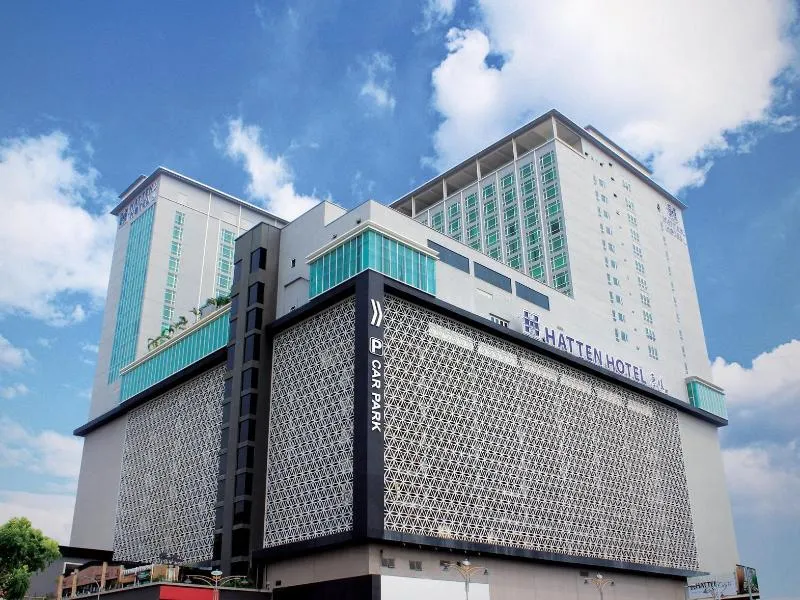
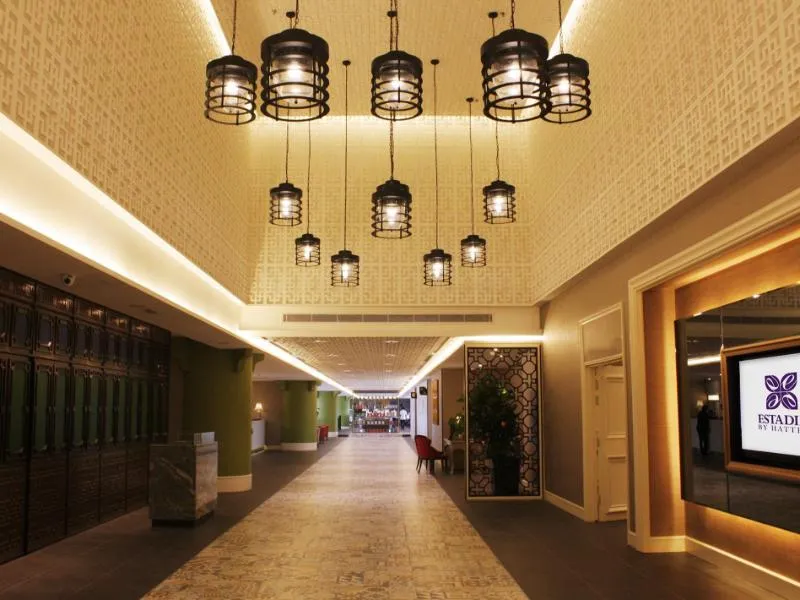
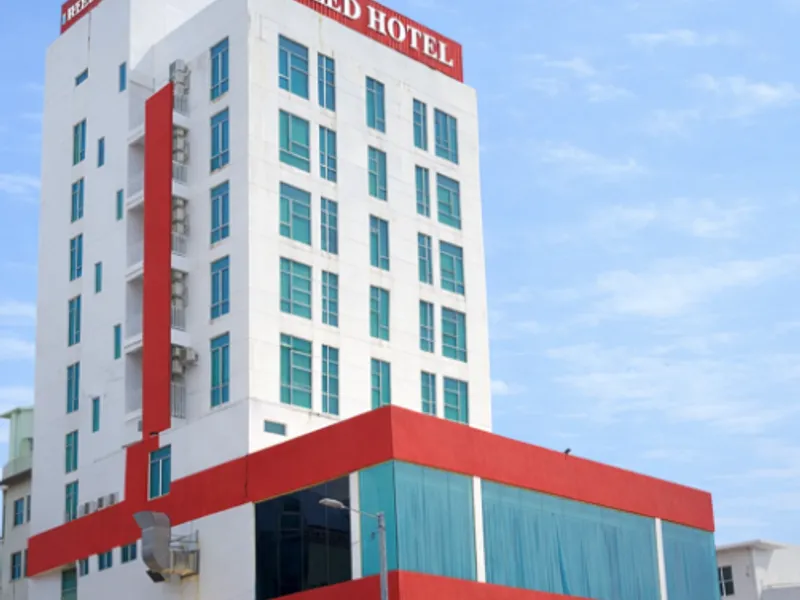
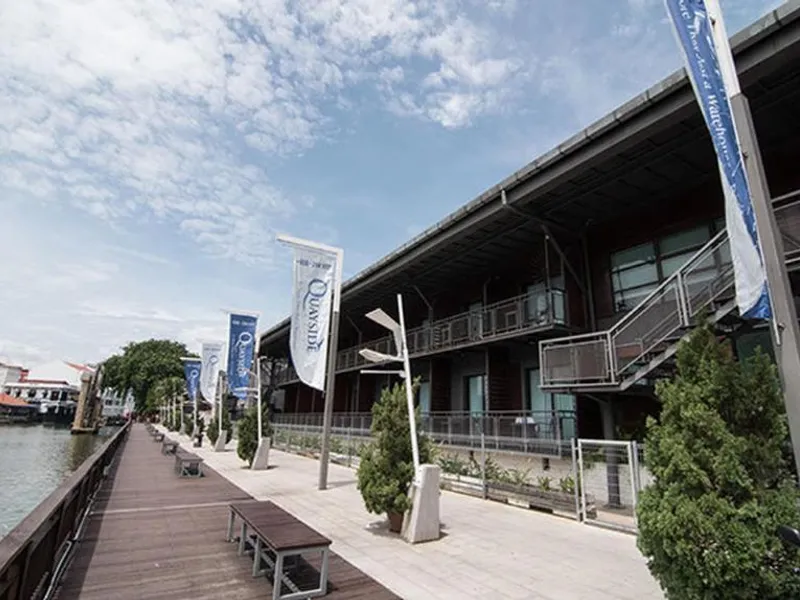
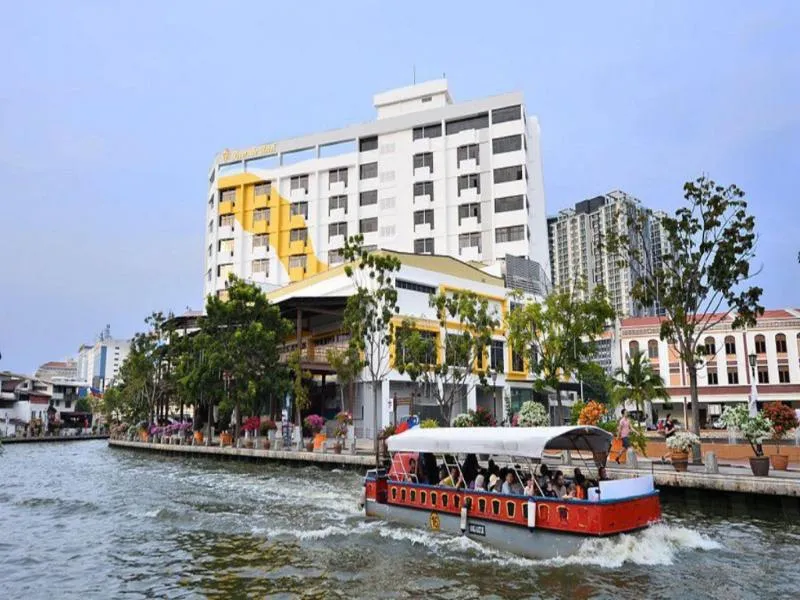
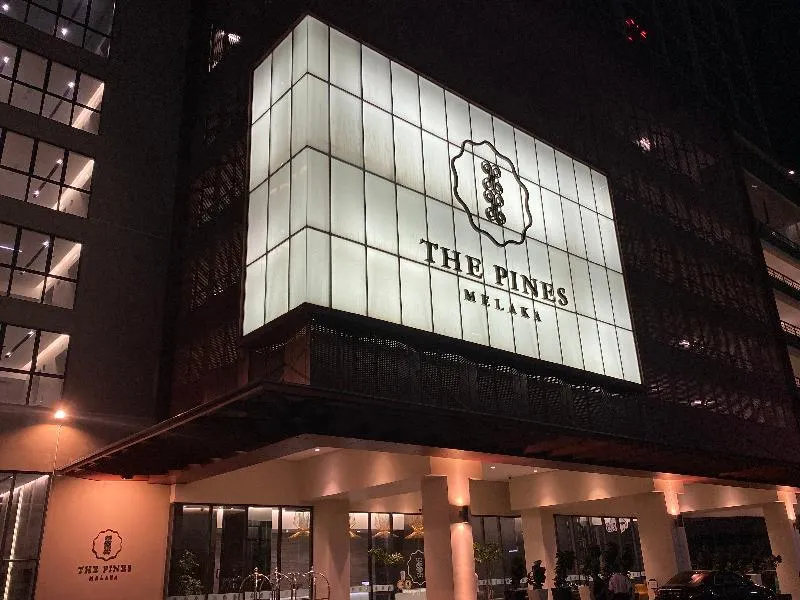
BonjourMalaisie selection — the best-rated for this stay. See all hotels →
Ready to explore Malaysia?
Book your transfer, plan your trips and find the right contacts.
You may also like
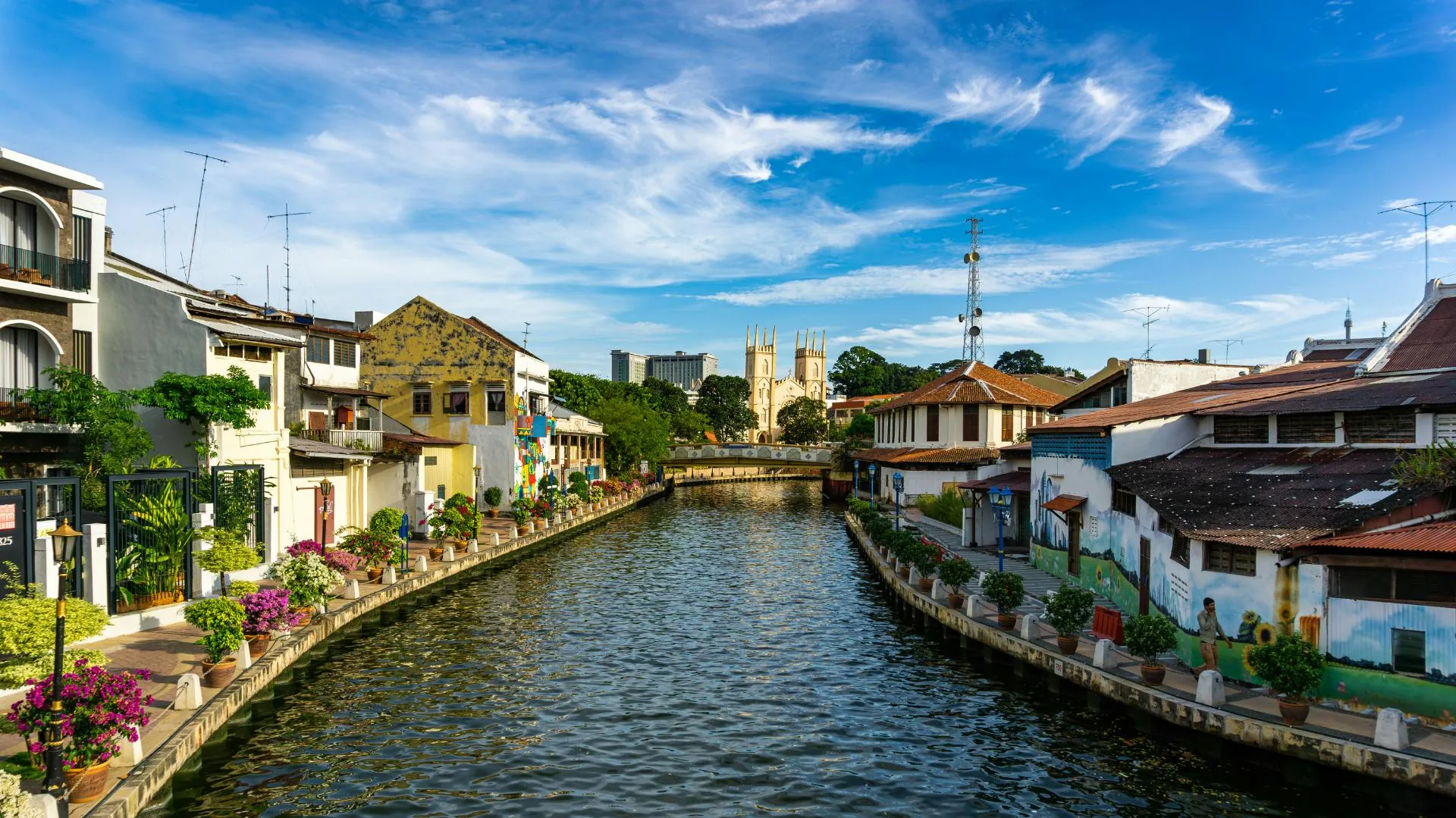
Malacca in 2 days: what to do
Malacca in 2 days: a walkable itinerary, the Jonker night market, the Portuguese quarter, real prices and the traps to avoid.
Where to Eat on Jalan Alor: Kuala Lumpur's Street Food Guide
A complete guide to Jalan Alor, Kuala Lumpur's most famous street-food street: must-try dishes, real prices in ringgit, best times, MRT access and traps to avoid in Bukit Bintang.
Langkawi: Beaches, Islands and Budget
A complete guide to Langkawi: the best beaches (Cenang, Tengah, Tanjung Rhu), island hopping and the Kilim mangroves, the SkyCab cable car, real daily budget, weather and practical logistics to plan your trip.