
Malacca in 2 days: what to do
Key facts
Malacca in 2 days: a walkable itinerary, the Jonker night market, the Portuguese quarter, real prices and the traps to avoid.
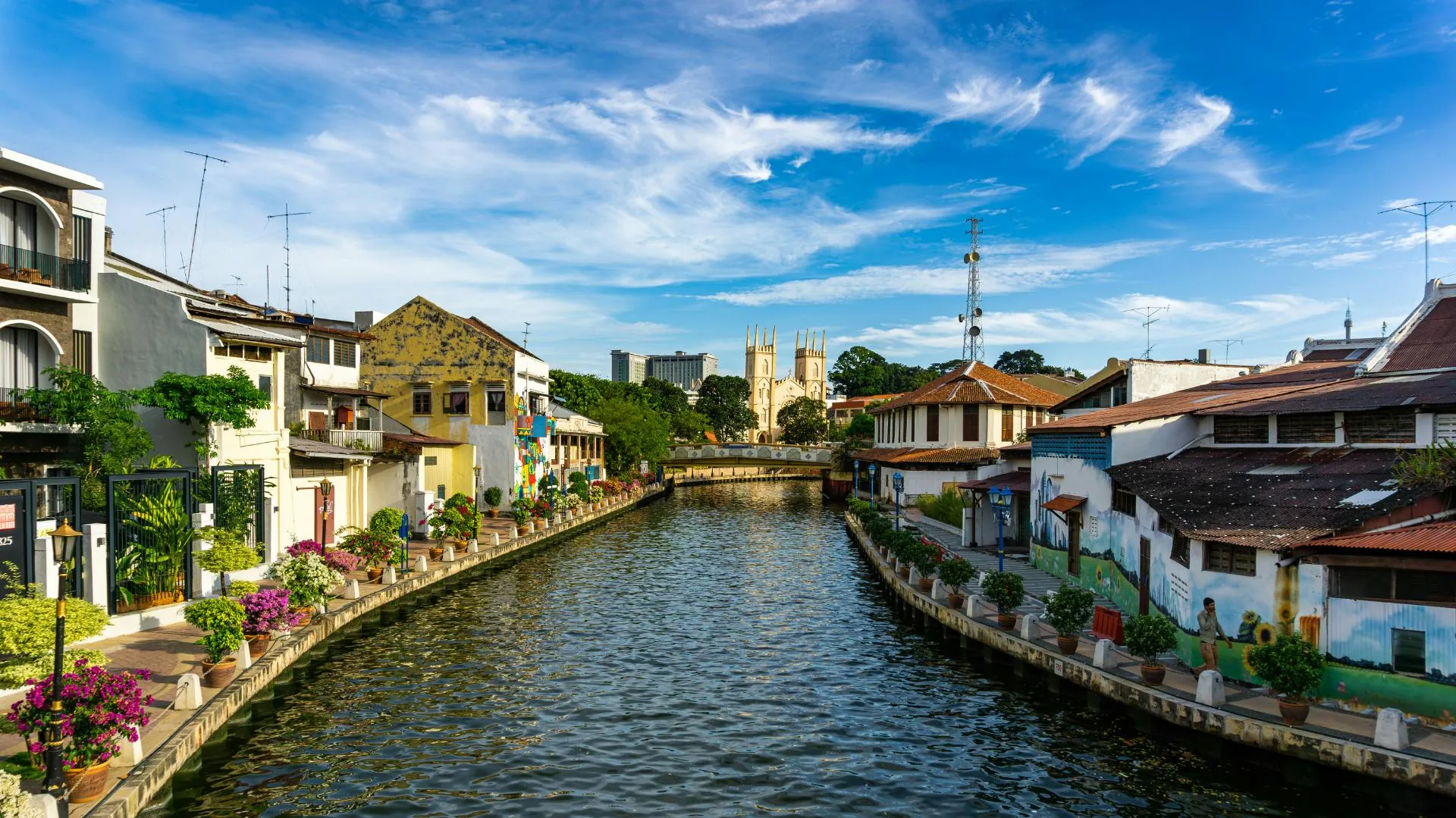
Malacca is a two-day trip, and that is probably the best itinerary decision you will make in Malaysia. The city sits two hours by road from Kuala Lumpur, it can be walked end to end, and it packs into two square kilometres a history the rest of the country spreads over thousands: a Malay sultanate, a Portuguese conquest in 1511, a century and a half of Dutch rule, then the British. UNESCO listed the old town in 2008.
Most visitors treat it as a day trip. They arrive at 11, sweat across the red square, leave at 5 and have understood nothing. Malacca gives itself in the evening and the morning: once the coaches pull out, Jonker Street fills with stalls, and from Friday to Sunday the night market runs until midnight.
This guide gives a concrete two-day route, the prices actually charged, the usual traps and the details the brochures skip. Our private transfers from Kuala Lumpur cover the route with the price shown upfront, and the Malacca destination page gathers the practical information.
Why Malacca deserves two days, not a day trip
Melaka is the Malay name, and the official spelling alternates between the two. The city has around 600,000 people, but everything you care about fits in a two-square-kilometre rectangle on both banks of the river.
The weekend argument fits in one line: the Jonker Street night market only runs Friday, Saturday and Sunday evenings. Come midweek and Jonker is a street of shops and cafés, pleasant but not the same thing at all.
The second argument is pacing. On a day trip you spend the 1pm heat queuing outside museums. Spread over two days, you walk the historic quarters early and late and keep the middle of the day for air-conditioned rooms, cafés and a nap. That is the only sensible way to see a city at 32°C with 80% humidity.
On timing: Malacca is hot year round, with the heaviest rain in March-April and October-December. Downpours rarely last more than two hours. January, February, June and July are usually drier.
Getting to Malacca from Kuala Lumpur
Three options, with very different trade-offs.
Private transfer or car. 150 km on the North-South Expressway (E1), exit at Ayer Keroh, then 20 minutes of local road. Allow 2 to 2.5 hours outside peak hours. It is the most comfortable option, especially with luggage, and the only one that drops you at your hotel in the old town. Our private transfers run this route from Kuala Lumpur, KLIA or Johor Bahru. Worth stating plainly: we operate these drives, we are not a neutral comparison site.
Bus. Departures from Terminal Bersepadu Selatan (TBS) every 30 to 60 minutes from 7am to 9pm, operated by Transnasional, Delima and others. Journey time 2 to 2.5 hours. Fare around 12 to 20 RM depending on operator and seating. You arrive at Melaka Sentral, 5 km from the centre: about 20 RM in a Grab or 2 RM on a local bus (17 or Panorama). Friday evening tickets sell out early.
Train. A bad idea, and a common trap. The Seremban-Gemas line serves a stop called Tampin, which is not Malacca. From Tampin you still have 40 minutes by taxi or bus. Total time and cost from KL both exceed the direct bus. If someone mentions "the train to Malacca", they mean Tampin.
To compare bus, train, flight and private transfer on your exact route, our Malaysia transport planner lists durations and prices side by side.
Once there, you do not need a car. The centre is walkable and Grab rides to the outskirts cost 5 to 12 RM. Parking in the historic core is a nightmare at weekends.
Where to stay: three neighbourhoods, three experiences
The neighbourhood matters more than the star rating.
Jonker Street and the historic core. You sleep inside the scenery: Peranakan shophouses, temples, cafés. This is where to stay for the night market, because you walk home. The catch: it is noisy at weekends until midnight, and prices reflect that. Expect 150 to 400 RM for a decent room.
Around Dutch Square. Ten minutes on foot from Jonker, quieter, with newer riverside hotels. Our preferred compromise for a first visit. Expect 120 to 300 RM.
Melaka Raya. The modern district, 15 minutes on foot, with hotels at 80-150 RM and cheaper restaurants. Less charm, best value for families.
We list the properties we recommend, with prices shown, on our hotels page. One thing to know: Peranakan guesthouses, converted shophouses, are the real charm of Malacca, but many have no lift and street-facing rooms are loud. Ask for a courtyard-side room.
Day 1, morning: the historic core on foot
Start early, around 8am. That is the only way to get Dutch Square without crowds and with the sun behind you.
The Stadthuys and Dutch Square. This set of red buildings, put up by the Dutch in the mid-17th century, is the most photographed backdrop in Malaysia. It now holds the history and ethnography museum (foreigner entry around 20 RM). The Victoria Fountain in the middle dates from 1904.
Christ Church. Next door, built in 1753 and still in use. The bricks were shipped from Holland and the floor is paved with Armenian tombstones. Entry is free if you cover your shoulders.
The Dutch windmill and the waterfront. Five minutes away on the river bank you find the windmill replica and the restored quays. The Melaka River cruise (around 25 RM for 45 minutes) leaves from the nearby jetty. Take it late in the afternoon, when the old buildings are lit for the return leg.
A detail worth knowing: Dutch Square turns into a track at night. Every evening around 6pm, trishaws covered in flowers and LED lights take over the square. It is loud and kitsch, and the rates are negotiable: 25 to 50 RM for a 30-minute loop.
Day 1, afternoon: Peranakan culture and the river
After lunch, get out of the heat.
The Baba Nyonya Museum. This is the essential cultural visit in Malacca. The house on Jonker Street belonged to a Straits Chinese family who made their fortune in the 19th century, converted into a museum by descendants who still partly live there. Chinese hardwood furniture, imported porcelain, embroidered clothing: an hour here explains what "Peranakan" means. Entry around 20 RM. Closed on Tuesdays.
Cheng Hoon Teng Temple. The oldest working Chinese temple in Malaysia, founded in 1646, dedicated to the goddess Guanyin and built without a single nail in the traditional way. Walk on to the antiques street (Jalan Tokong) and the Sri Poyyatha Vinayagar Moorthi Hindu temple a hundred metres away: three religions on one street is Malacca in one sentence.
The architecture museum and St Paul's Church. Up the hill, the ruins of St Paul's (1521) overlook the city. The body of St Francis Xavier rested here for a few months before being moved to Goa. The view over the strait is the best free spot in town, especially near sunset.
If you like viewpoints, the shops along Jonker Street sell tickets for the rooftop bars in the centre. Their terraces open around 5pm.
Day 1, evening: Jonker Street
By 6pm Jonker Street closes to traffic and the stalls go up. If you are here Friday to Sunday, you get the real night market: hundreds of stalls over a kilometre, food, trinkets, karaoke on the corner.
What to eat, with the prices actually charged:
- Chicken rice balls. Malacca's signature Chinese dish: rice rolled into balls to keep it fresh, served with poached chicken. Expect 8 to 15 RM per portion. The best-known shops run hour-long queues; come back early the next day if the wait is too long.
- Cendol gula melaka. Shaved ice, green rice-flour noodles, coconut milk and palm sugar syrup. Palm sugar is a point of local pride here, and this is where it tastes best. 5 to 8 RM.
- Satay celup. A skewer fondue you dip into a boiling, spiced peanut sauce, a dish born in Malacca. The famous restaurants queue for two hours. You pay per skewer, roughly 1 to 2 RM each.
- Nyonya laksa and popiah. Less hyped than the rice balls, just as good and without the wait.
- Durian and tropical fruit. Fruit stalls appear on Jonker in the evening; try mangosteen and rambutan if durian is too much.
Midweek, Jonker is still worth it: Peranakan restaurants in the old shophouses serve the classics (ayam pongteh, chap chye, otak-otak). Our restaurants page collects our vetted addresses in Malacca and elsewhere.
One simple rule: follow the locals' stalls. A busy stall is a good stall, but a queue made entirely of tourists often means a doubled price.
Day 2, morning: maritime museum and the Portuguese quarter
The Maritime Museum. Housed in a replica of the Flor de la Mar, the Portuguese ship that sank in 1511 with its treasure. The building beats the collection, but the story of the spice route and the strait is worth an hour. Entry around 10 RM.
The Portuguese Settlement. Ten minutes by Grab from the centre. This is a community of Malacca Portuguese descendants, still living here five centuries on. In the evening, the seafood restaurants serve a unique Luso-Malay cuisine: debal, a very hot curry inherited from Portuguese cooking, and panggang, grilled fish in chilli sauce. Evening is the best time to go, especially in June for the São Pedro festival.
The Malacca Heritage Museum. The counterpart to Baba Nyonya, tracing the city's political history: sultanate, colonial powers, independence. Worth it if you have two days and want the sequence straight.
Day 2, afternoon: excursions around Malacca
With a car or a driver, several sites are worth the 30 to 45 minute drive.
Pu Tuo Si and Xiang Lin Si temples. Two outlying Chinese temples, the second tied to the old Chinese community. Free entry, very local atmosphere.
Ayer Keroh. Malacca Zoo, the botanical park and the theme park cluster near the motorway exit. Mostly a family option to keep children busy.
Klebang beach. Twenty minutes out, a long, barely developed stretch of sand. On the way, the coconut shake stalls are a local institution, and the best in the region is here, at 5-8 RM.
The Malacca Straits Mosque (Masjid Selat Melaka). Built on stilts over the water with golden minarets, it is at its most spectacular at sunset. Free entry, modest dress required, and it is lit at night.
For organised excursions with a driver, our tours and excursions page lists what is available. A half day with a driver around Malacca runs 300 to 500 RM.
Real budget for two days in Malacca
The figures below are indicative, in Malaysian ringgit, for one person, excluding transport from Kuala Lumpur.
| Item | Budget | Comfortable |
|---|---|---|
| Accommodation (1 night) | 80 RM | 250 RM |
| Meals (2 days, 4 meals + snacks) | 60 RM | 150 RM |
| Museum entries | 30 RM | 55 RM |
| Local transport (Grab) | 30 RM | 60 RM |
| River cruise | 25 RM | 25 RM |
| Drinks and cafés | 20 RM | 50 RM |
| Total, 2 days | about 245 RM | about 590 RM |
Add 12 to 20 RM for the bus from KL, or 250 to 400 RM for a private transfer depending on the vehicle. A useful note: many museums and stalls take cash only. Withdraw before you arrive; the ATMs in the old town are often empty or out of service.
Traps to avoid
Do not come as a day trip from Kuala Lumpur. You will spend five hours in a bus or car for three hours on the ground, at the worst hours of heat.
Do not come midweek for the Jonker night market. It only exists Friday to Sunday evening. The rest of the week Jonker is a pretty street without the atmosphere.
Do not confuse Melaka Sentral with the city centre. Plenty of visitors book a hotel near the bus terminal thinking they are central. Five kilometres separate the two.
Cover up at places of worship. Cheng Hoon Teng, the Straits Mosque, Christ Church: shoulders and knees covered, shoes off where indicated.
Watch the traffic. The real risk is where you least expect it: Jonker Street pavements are narrow and trishaws ride against the flow. Look left when you cross, the country drives on the left.
Check closing days. Several museums (Baba Nyonya, the Maritime Museum) close on Mondays or Tuesdays. The pattern changes periodically, so confirm on site the day before or ask your hotel.
Do not trust random "special foreigner" prices. Public sites normally post a resident and a foreigner rate, usually 10 to 20 RM. If someone quotes 50 RM, ask to see the official sign.
FAQ
How long do you need to visit Malacca?
Two days covers the historic core, the Jonker market if you land on a weekend, the Baba Nyonya Museum and the Portuguese quarter. One day gives you a shallow look: Dutch Square and a temple, not the city after dark.
Can you visit Malacca on foot?
Yes. The historic core, from Dutch Square to Cheng Hoon Teng Temple, takes 20 to 30 minutes to cross on foot. For the Portuguese Settlement, the Straits Mosque or Klebang, take a Grab (5 to 15 RM).
What is the best day for the Jonker Street night market?
Friday, Saturday and Sunday evenings, from 6pm until roughly midnight. That is the only window: midweek the street stays open to traffic and no stalls go up.
What should you absolutely eat in Malacca?
Chicken rice balls, cendol with gula melaka, satay celup and debal in the Portuguese quarter. Malacca's palm sugar, gula melaka, is the local pride and flavours most of the desserts.
How much does a day trip from Kuala Lumpur cost?
By bus, 12 to 20 RM each way, plus 20 RM for a Grab between Melaka Sentral and the centre. By private transfer, 250 to 400 RM per vehicle. Organised day tours run around 150 to 250 RM per person, but they leave too little time on the ground.
Related procedures
📋 Related procedures
Conclusion
Malacca works for one simple reason: it is the only city in Malaysia where you can walk through five centuries of history street by street. A sultanate, two successive colonial powers, a Peranakan community, a living Portuguese quarter, all inside two square kilometres.
Two days gives you time to see it without rushing. One day gives you a photo of the red square and a confused memory.
👉 Need a private transfer from Kuala Lumpur, or advice on your itinerary? Contact us and we will get back to you quickly, preferably on WhatsApp. You can also book a transfer directly online.
Things to do in Malacca
Tickets and experiences at the best price — instant online booking. All activities →
Nyonya Kebaya and Batik Shirt Experience in Malacca
Embark on a cultural journey in Malacca with our Traditional Costume Experience. Rent authentic Malaysian attire, from traditional batik dresses to cultural outfits, and capture memories in a unique photoshoot. Discover the rich heritage of Malacca through the lens of tradition and fashion.
Thai Massage in Melaka by Scents & Senses Melaka Raya
Traditional Thai massage in Melaka by Scents & Senses, in the Melaka Raya district. Experienced therapists, natural oils, book online.
Malacca Pink Mosque & Straits Mosque Full-Day Tour
Pink Mosque + Malacca Straits Mosque + Dutch Red House + Malacca River [Night Tour].
Siberian Husky and Shiba Inu Experience Centre in Melaka
Siberian Husky Experience Centre in Melaka.
Private Historical Malacca Day Tour from Kuala Lumpur
Embark on a journey through time with our Private Historical Malacca Day Tour from Kuala Lumpur. Explore UNESCO World Heritage sites, historical landmarks, and cultural treasures in Melaka. Our private guided tour offers an immersive experience into the rich history and architecture of this charming Malaysian city. Book your historical exploration now.
Historical Malacca Day Tour from Kuala Lumpur with Lunch Option
Visit the historical city of Malacca which is just a 2-hours drive away from Kuala Lumpur, and explore Malaysia's history and architecture.
Where to stay in Malacca
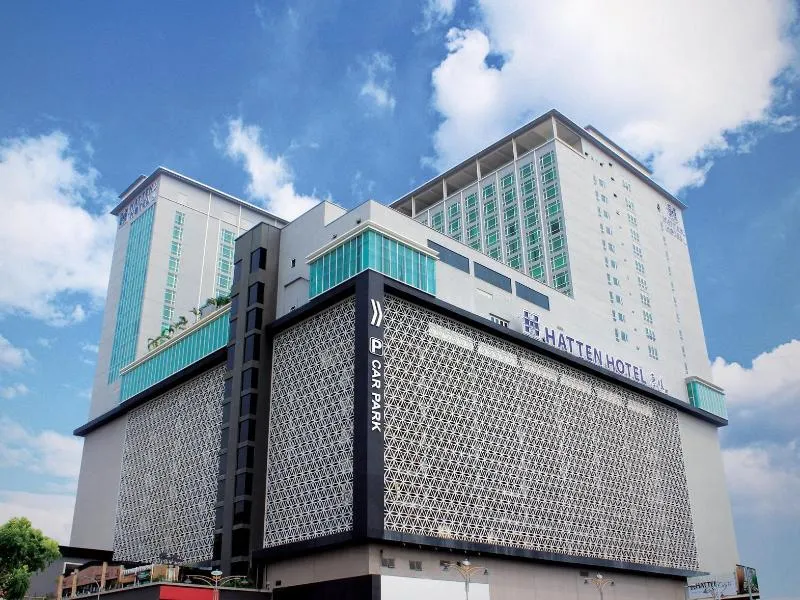
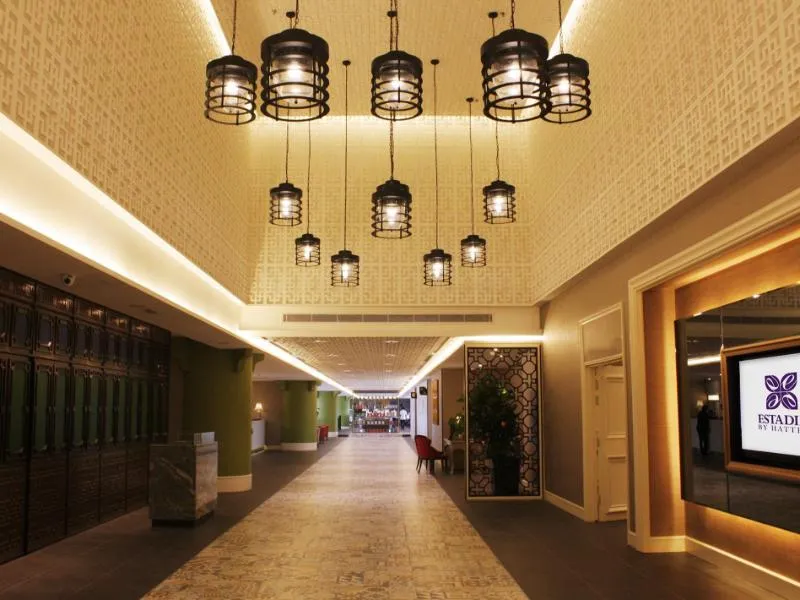
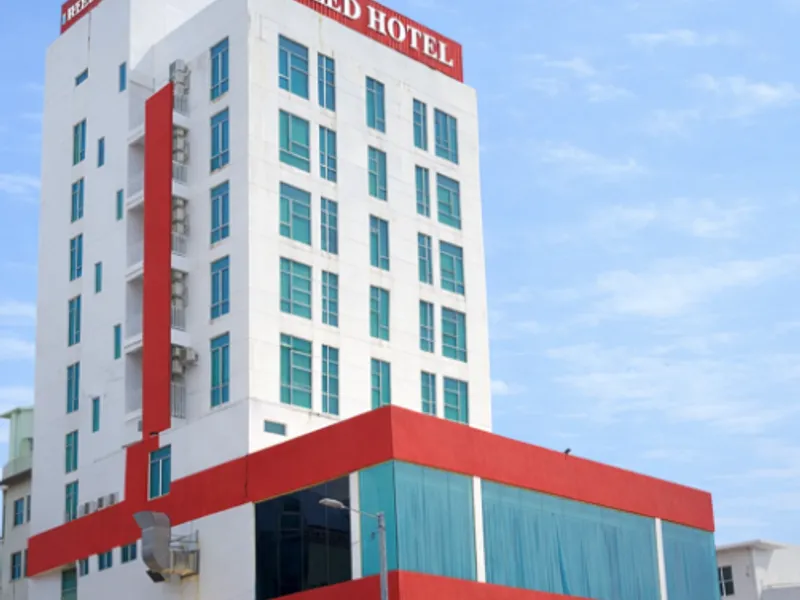
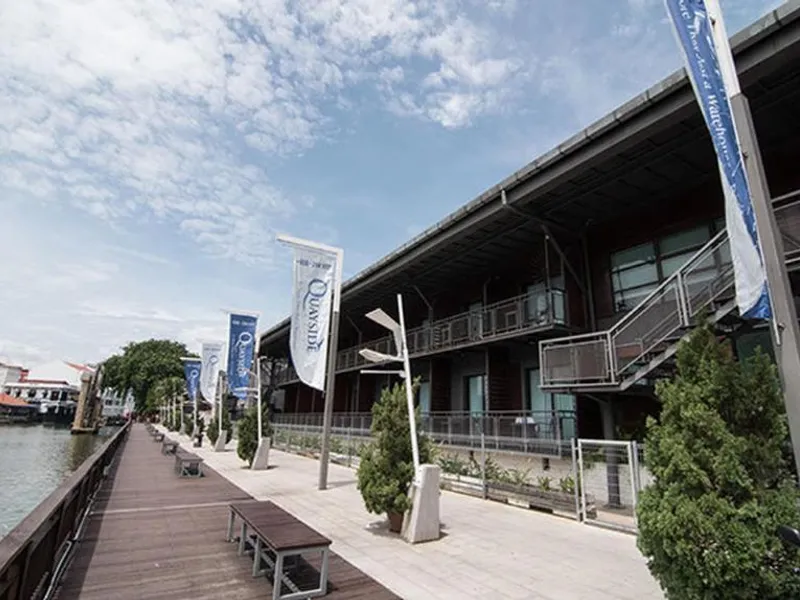
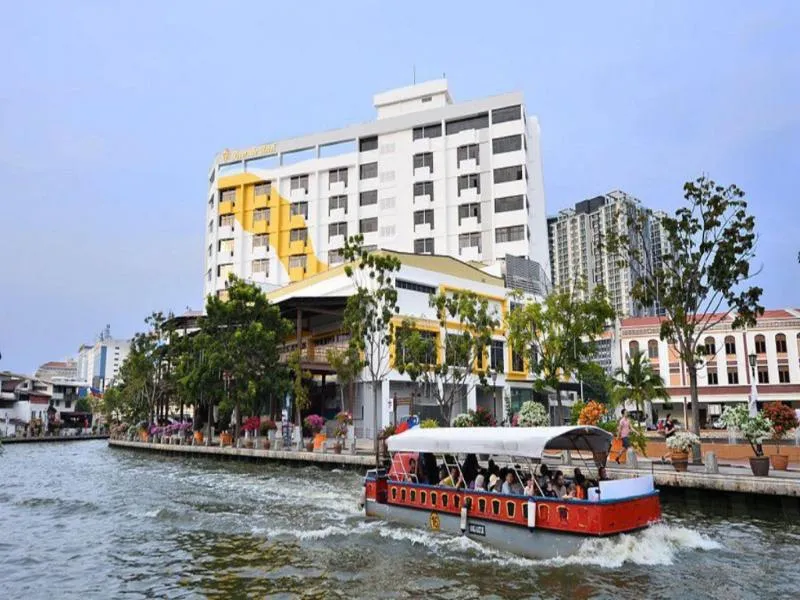
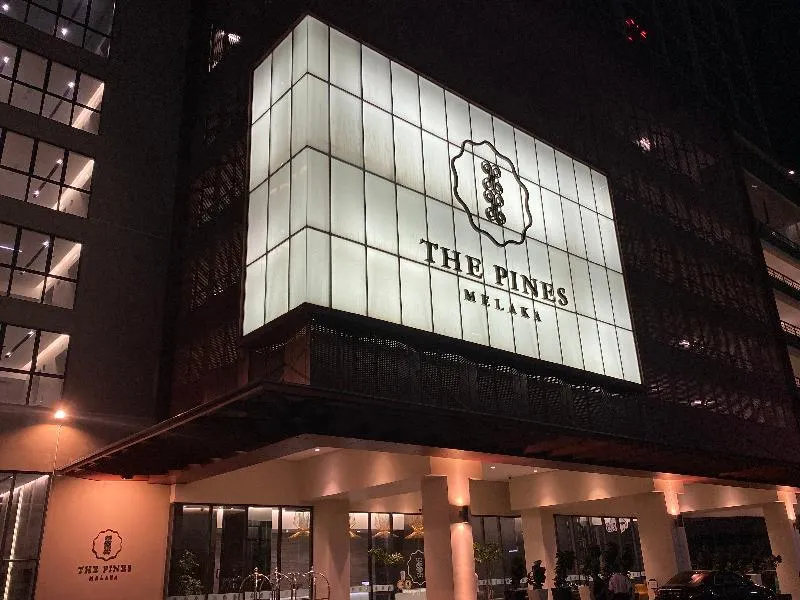
BonjourMalaisie selection — the best-rated for this stay. See all hotels →
Ready to explore Malaysia?
Book your transfer, plan your trips and find the right contacts.
You may also like
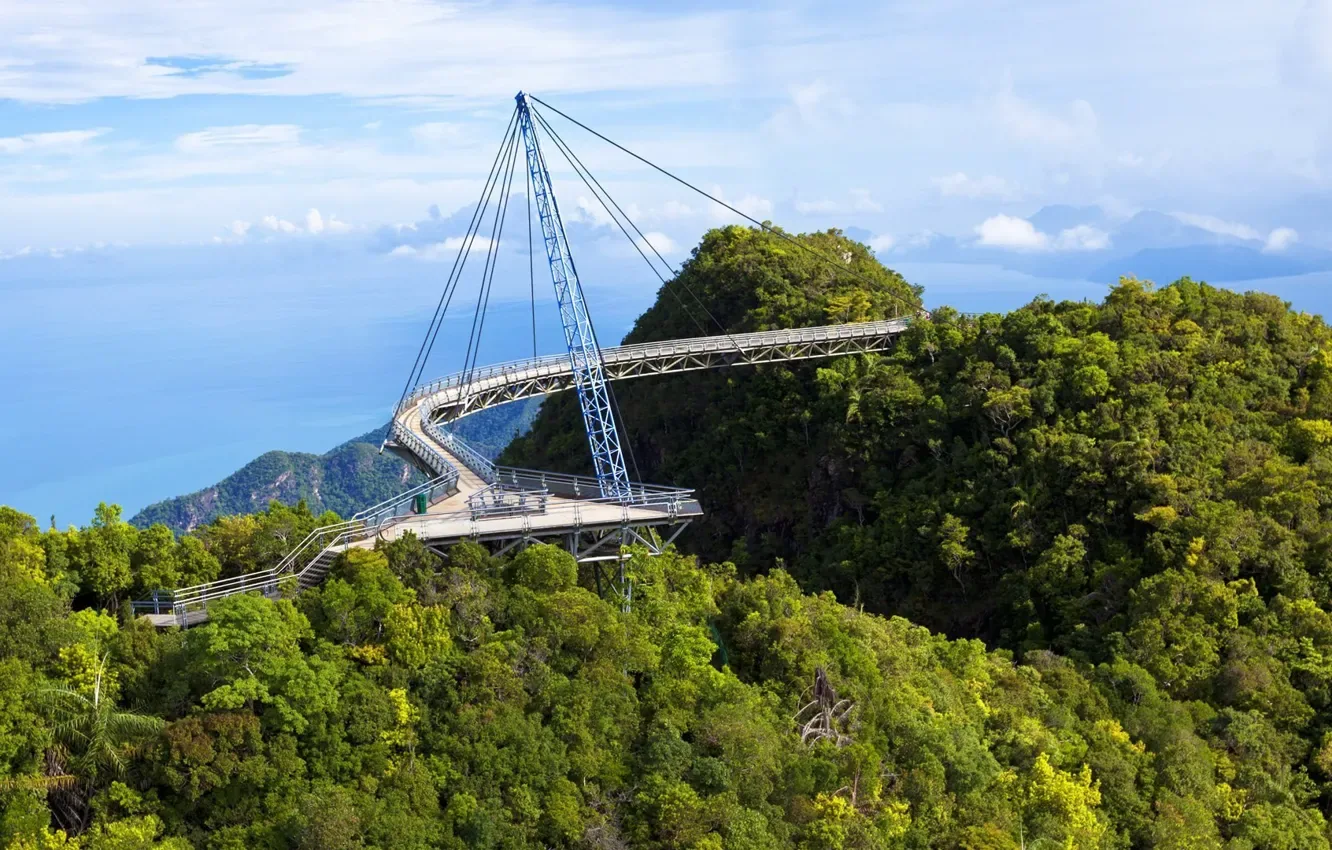
Langkawi: Beaches, Islands and Budget
A complete guide to Langkawi: the best beaches (Cenang, Tengah, Tanjung Rhu), island hopping and the Kilim mangroves, the SkyCab cable car, real daily budget, weather and practical logistics to plan your trip.

Working in Malaysia as a Foreigner: Work Permits, Salaries and Hiring Sectors (2026)
Complete 2026 guide to working in Malaysia as a foreigner: Employment Pass categories, salary thresholds, sectors hiring foreigners, employer steps and real-world salaries.
Diving and Snorkelling in Perhentian and Tioman: The Complete Guide
The complete guide to diving and snorkelling in Perhentian and Tioman: which island to choose, best season, must-dive sites, real 2026 prices, where to stay and how to get there from Kuala Lumpur.