
Ipoh and Pangkor: What to Do, Where to Stay and How to Combine Both (2026)
Key facts
Ipoh, the former tin capital, and Pangkor island combine into a 3 to 4 day route between Kuala Lumpur and Penang: shophouses and Kinta valley cave temples, hawker food and local coffee, then quiet beaches and hornbill forest. Day-by-day plan, where to stay, real ringgit budgets, train, ferry and driver logistics.
Ipoh is the city travellers drive straight through on the Kuala Lumpur–Penang corridor. That is a mistake: the former tin capital inherited a historic core of pastel shophouses, a specialty coffee scene that rivals Penang's, a Cantonese street-food culture that takes breakfast seriously and, an hour away, the cave temples of the Kinta valley. Two and a half hours west by road, Pangkor island offers quiet beaches, a forest reserve where hornbills still nest and a pace that recalls Malaysia twenty years ago.
This guide covers both stops together because they combine naturally in a three to four day itinerary between Kuala Lumpur and Penang: two nights in Ipoh, one or two on Pangkor, without doubling back. You will find a day-by-day plan, where to stay, real costs in ringgit, the logistics (train, bus, ferry, car) and the mistakes to avoid.
To place Ipoh and Pangkor in a wider route, our destinations page lists the other stops on the west coast, and our 4-day Penang guide is the logical continuation of this trip north.
Why add Ipoh and Pangkor to a classic itinerary
Three concrete reasons.
First, position. Ipoh is 2 h 15 from Kuala Lumpur on the fast ETS train and 2 h from Penang by road. Pangkor is 1 h 30 to 2 h by road from Ipoh, with a 10 to 35 minute ferry depending on the terminal. In other words, both stops slot into the country's busiest corridor with no detour.
Second, cost. Ipoh is one of the cheapest major cities in Malaysia for accommodation: 120 to 200 RM a night for a comfortable hotel in the centre, 8 to 15 RM for a street-food dish. Pangkor remains cheap for an island: 150 to 300 RM a night for a decent hotel near Pasir Bogak, 20 to 35 RM for a fish dinner.
Third, contrast. Ipoh is urban, architectural and food-obsessed; Pangkor is forested, maritime and slow. Stringing them together over three days gives you two very different Malaysias without taking an internal flight.
Ipoh: the old town and its shophouses
The heart of Ipoh's interest sits within a two-square-kilometre perimeter around the old town, between Jalan Sultan Iskandar (formerly Hugh Low Street), Jalan Bandar Timah (Leech Street) and the central market. This is where the early 20th-century shophouses cluster, with their pastel façades, Chinese signage and cafés installed inside former merchant houses.
The classic walk starts at Concubine Lane (Lorong Panglima), the narrow passage that has become the city's most photographed spot, then continues to the central market and along the Kinta river. Allow two to three hours on foot, unhurried, stopping every hundred metres.
Three buildings deserve a specific stop:
- Ipoh Railway Station, Moorish-revival in style and nicknamed the "Taj Mahal of Ipoh", built in the 1910s. It is still in service: you pass through it to buy a ticket, not only for the photo.
- The Dewan Bandaran (town hall) and the courthouse on the same square, aligned in the same colonial style.
- The mosque and the Little India quarter, ten minutes' walk away, for the Tamil side of the city's history, tied to the rubber plantations and the railway.
Ipoh's heritage is that of a rich mining town: tin produced considerable fortunes between 1890 and 1930, and the trading houses of that era are now cafés, shops and boutique hotels. To compare with the country's other major heritage centre, our 2-day Malacca guide covers the UNESCO-listed city; Ipoh is less restored, more lived-in, and worth visiting for exactly that reason.
The cave temples of the Kinta valley
This is the other reason to come to Ipoh, and the most original one. The limestone hills around the city are pierced with caves converted into temples, a feature you will not find anywhere else in Malaysia at this density.
- Sam Poh Tong: the largest and best known, 5 km south of the city. A Buddhist temple inside a cave 30 metres high, turtles in the pond, a garden. Free entry, donations welcome. Go early morning, before the coaches.
- Kek Lok Tong: next to Sam Poh Tong but opening onto the other side of the hill — the cave emerges into a rock garden and a lake. Free entry.
- Ling Sen Tong: the most colourful, with statues of deities and the eighteen arhats. Photogenic, busy at weekends.
- Perak Tong: 6 km north, a cave 40 metres high with murals and 40 Buddha statues, plus an internal staircase climbing to a viewpoint over the plain. Free entry, a few ringgit for parking.
All four can be visited in a morning by car or with a day driver (250 to 400 RM for a half day, see rentals with driver). None is comfortably reachable by public transport: that is the main argument for renting a car or hiring a driver in Ipoh.
The Batu Caves temple near Kuala Lumpur is Malaysia's most famous cave temple; our Batu Caves guide details the visit. In Ipoh the scale is smaller, the atmosphere more local, and there are no queues.
What to do in Ipoh in two days
Two days are enough for the city, the caves and the food. Here is a realistic plan.
Day 1 — old town and coffee
Morning on foot in the old town: Concubine Lane, central market, Kinta river, railway station. Eat breakfast on the spot — that is the highlight of any day in Ipoh, and we come back to it below.
Afternoon: the tin mining museum (Han Chin Pet Soo, by booking, around 20 RM), which tells the story of the mines and the Chinese secret societies of the city, then the shophouses of Jalan Panglima and the Little India quarter.
Evening: dinner at a street restaurant in the centre, then a specialty coffee — Ipoh has become a recognised third-wave coffee stop, with about ten serious addresses around Jalan Bandar Timah.
Day 2 — cave temples and onward travel
Leave early (7:30-8:00) for Sam Poh Tong and Kek Lok Tong, then Perak Tong to the north. Back in town for lunch, then the road to Pangkor (1 h 30 to 2 h) or the train to Kuala Lumpur.
With one more day, add Tanjung Tualang (40 minutes south): a village lost among oil palm plantations where giant freshwater prawns are served in restaurants on stilts. It is an excursion few foreign travellers know about and one of the best meals in the region.
Where to eat in Ipoh: the breakfast guide
Ipoh is a food destination, and its hour of glory is the morning. Three specialities not to miss.
- Nasi kandar and roti canai in the Little India mamaks: Indian-Malaysian breakfast, 5 to 10 RM.
- Prawn hor fun (kway teow): flat rice noodles in a dark sauce, thicker here than in Penang. 8 to 12 RM in hawker centres.
- Ipoh kopi: the local coffee, roasted with palm-oil margarine, served thick and very sweet. Try it at least once in an old kopitiam rather than a chain.
- Dim sum: a Cantonese inheritance; several historic houses serve from 6 a.m. Budget 20 to 35 RM per person for a proper dim sum meal.
- Tau fu fah (silky tofu in ginger syrup): street dessert, 3 to 5 RM.
For an overview of the country's hawker centres, our guide where to eat in Kuala Lumpur explains the codes (order at the table, pay at the counter, bring your own drinks); they are identical in Ipoh. Tested addresses are in our address book and on our restaurants page.
Pangkor: an island without the crowds
Pangkor is an island of 8 km by 4, off the Perak coast, 1 h 30 to 2 h by road from Ipoh. It long lived off fishing and the dried-fish trade; tourism arrived late and remains modest, which is precisely its appeal. No high-rises, no beach clubs, two main roads, and a protected forest in the interior.
The beaches
- Pasir Bogak: the beach closest to the ferry terminal, pale sand, calm water, ideal for swimming with children. Most accommodation is concentrated here.
- Teluk Nipah: further north, more authentic, with cheap guesthouses, fish restaurants and an open sunset. The beach is narrower but the mood more relaxed.
- Coral Bay (Teluk Gedung): a small rocky cove in the north-west, average snorkelling, maximum quiet.
- Pulau Giam and the islets: snorkelling boat trips, 40 to 80 RM per person for a half day.
Pangkor's water does not have the clarity of the east-coast islands (Perhentian, Redang, Tioman). Do not come for diving: visibility is average and the bottom is sandy. Come for the quiet, the forest, the hornbills and the seafood. To compare with the real diving destinations, our Perhentian and Tioman comparison gives seasons, sites and budgets.
The forest and the hornbills
The Pangkor forest reserve covers about 70% of the island. Trails start from Teluk Nipah or Pasir Bogak; allow two to three hours for the loop up to the Bukit Pangkor viewpoint. Wildlife you may see includes hornbills, macaques, monitor lizards and, with luck, flying squirrels at dusk.
The Batu Bersurat viewpoint and the Dutch fort at Teluk Gedung (17th century, ruins) complete the island's cultural loop. Our hiking page lists the trails you can walk in Malaysia, with difficulty levels.
Real budget for Ipoh + Pangkor (3 to 4 days)
The ranges below are per person, excluding international flights and transport from Kuala Lumpur.
| Item | Backpacker | Mid-range |
|---|---|---|
| Ipoh accommodation (2 nights) | 60-100 RM | 200-400 RM |
| Pangkor accommodation (1-2 nights) | 70-120 RM | 300-600 RM |
| Meals (4 days) | 120-180 RM | 250-400 RM |
| Caves and entry fees | 20-40 RM | 20-40 RM |
| Local transport and driver | 40-80 RM | 250-450 RM |
| Pangkor ferry return | 20-30 RM | 20-30 RM |
| Total | 330-550 RM | 1 040-1 920 RM |
To place these amounts in the wider Malaysian context — rents, insurance, monthly cost for an expat — our cost of living page gives benchmarks for Kuala Lumpur and Penang, transposable to Perak with 10 to 20% less.
Transport: linking Ipoh, Pangkor and the rest of the country
Kuala Lumpur → Ipoh: the ETS train runs from KL Sentral to Ipoh in 2 h 15 to 2 h 45 depending on the service (Gold or Platinum), 40 to 80 RM in standard class. Booking is mandatory and often full at weekends. Buses leave from TBS (Terminal Bersepadu Selatan) in 3 h to 3 h 30, 30 to 45 RM.
Ipoh → Pangkor: road to Lumut (1 h 30) then a 35-minute ferry to the island, or road to Marina Island Jetty (1 h 45) and a 10-minute ferry. Both terminals sell tickets on the spot, 10 to 20 RM one way. A private driver from Ipoh costs 250 to 350 RM, more comfortable for two or three people with luggage; see transport services and transfers.
Pangkor → Penang: ferry back to Lumut, then bus or car to Penang (3 h to 3 h 30). This is the longest leg of the circuit: plan it for the morning.
On the ground: in Ipoh, Grab works well (5 to 12 RM in town). Pangkor has no Grab: rent a scooter (35 to 50 RM a day) or take the island's pink taxis, fixed fare per trip (15 to 30 RM). A bicycle is a reasonable option on the flat roads of the south of the island.
A word on car rental: a French licence is accepted with an international driving permit, and traffic drives on the left. Our driving in Malaysia guide details the rules, and our transport in Malaysia page compares train, bus, flight and car.
When to go and how many days to plan
Ipoh can be visited all year. The most pleasant season runs from December to February (less rain, bearable heat) and from June to August. October and November are the wettest months, with short late-afternoon showers.
Pangkor, on the west coast, follows the same regime as Penang and Langkawi: the south-west monsoon (May to September) brings showers, the north-east monsoon (November to February) is calmer on this coast. The sea is flattest between January and March. For a full comparison of seasons by region, our article Langkawi: when to go and the weather explains the two-monsoon regime, which applies to the whole west coast.
Recommended duration: two nights in Ipoh (one is enough for the city, two allow the caves and Tanjung Tualang) and one to two nights on Pangkor. Three days in total is the minimum to avoid rushing; four is comfortable.
Mistakes to avoid
Do not cross Ipoh in half a day. The city is best enjoyed in the morning (breakfast) and in the evening (coffee houses), not between two trains.
Do not plan the cave temples by public transport. Perak Tong, Sam Poh Tong and Kek Lok Tong are on the outskirts and poorly served: without a car or driver you will lose the morning waiting.
Do not come to Pangkor for diving. The water is fine for swimming, not for underwater scenery. Perhentian and Tioman, on the east coast, are the country's real snorkelling and diving destinations.
Do not leave the Pangkor ferry to the last minute on a public holiday. At weekends and during Malaysian school holidays the Lumut ferries fill up; travel before 9 a.m.
Do not schedule Pangkor–Penang on the same day as an evening flight. Ferry plus road plus possible congestion out of Butterworth easily takes 4 hours.
👉 Planning a Kuala Lumpur–Ipoh–Pangkor–Penang route and need the transfers, a driver for the cave temples or a night on the island sorted? Contact us: we build the itinerary and book your transfers, rentals with driver and excursions. Accommodation can be compared on our hotels page, and tested addresses are in our address book.
FAQ — Ipoh and Pangkor
How many days do I need for Ipoh and Pangkor?
Two nights in Ipoh and one or two on Pangkor, three to four days in total. A single night in Ipoh does not allow the cave temples or the local breakfast, which is one of the city's main attractions.
How do I get from Kuala Lumpur to Ipoh?
The ETS train is the fastest option: 2 h 15 to 2 h 45 from KL Sentral, 40 to 80 RM, booking mandatory. Buses from TBS take 3 h to 3 h 30 for 30 to 45 RM. By car it is 2 h to 2 h 30 on the North-South Expressway.
How do I reach Pangkor from Ipoh?
Road to Lumut (1 h 30) then a 35-minute ferry, or road to Marina Island Jetty (1 h 45) then a 10-minute ferry. Expect 10 to 20 RM for the ferry and 250 to 350 RM for a private driver from Ipoh.
Is Ipoh an expensive city?
No, it is one of the cheapest major cities in Malaysia: 120 to 200 RM a night for a comfortable hotel, 8 to 15 RM for a street-food dish, 3 to 5 RM for dessert. The main expense remains transport if you hire a driver for the cave temples.
Can you swim at Pangkor?
Yes, at Pasir Bogak and Teluk Nipah in particular, where the water is calm and swimming easy. Underwater visibility is only average, however: for good snorkelling and diving, aim for the east coast (Perhentian, Redang, Tioman) between March and September.
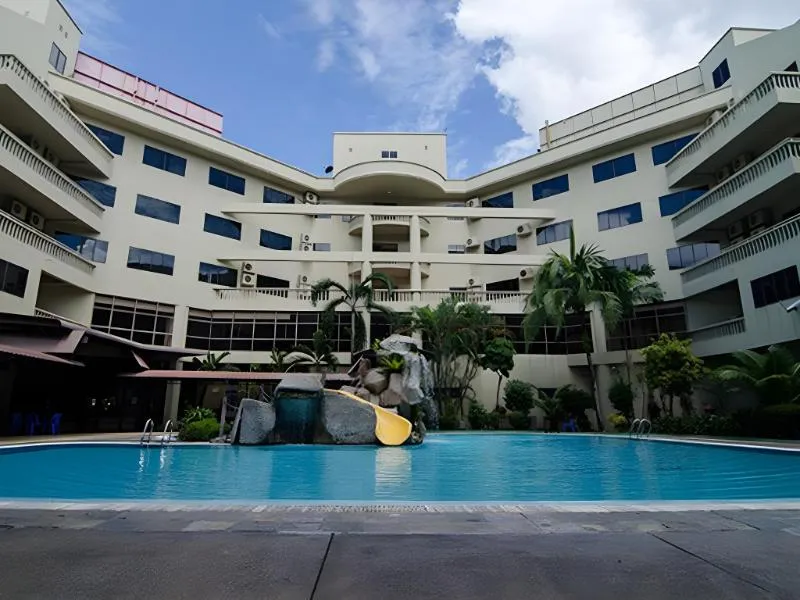
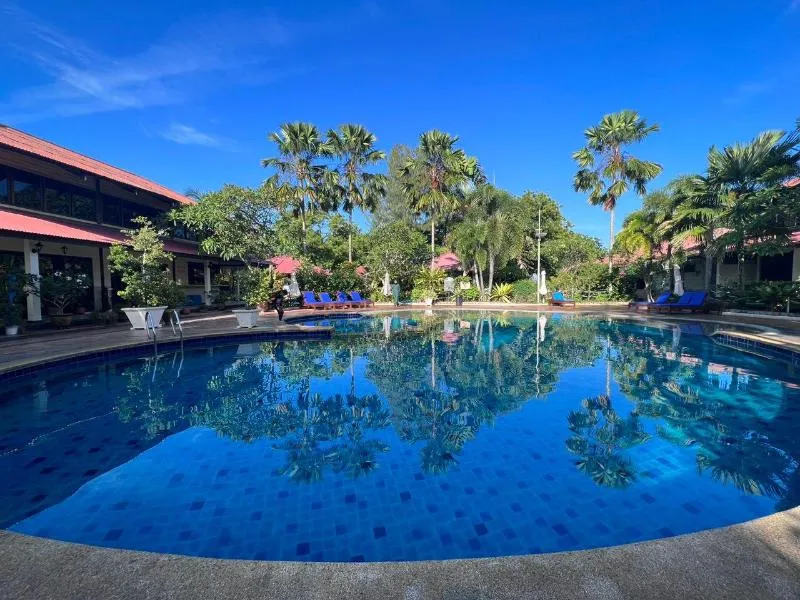
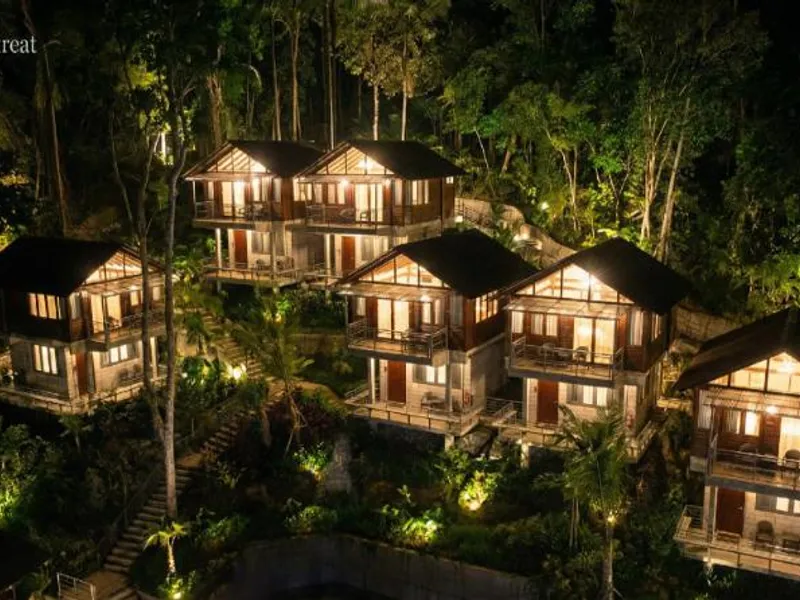
Where to stay in Pangkor
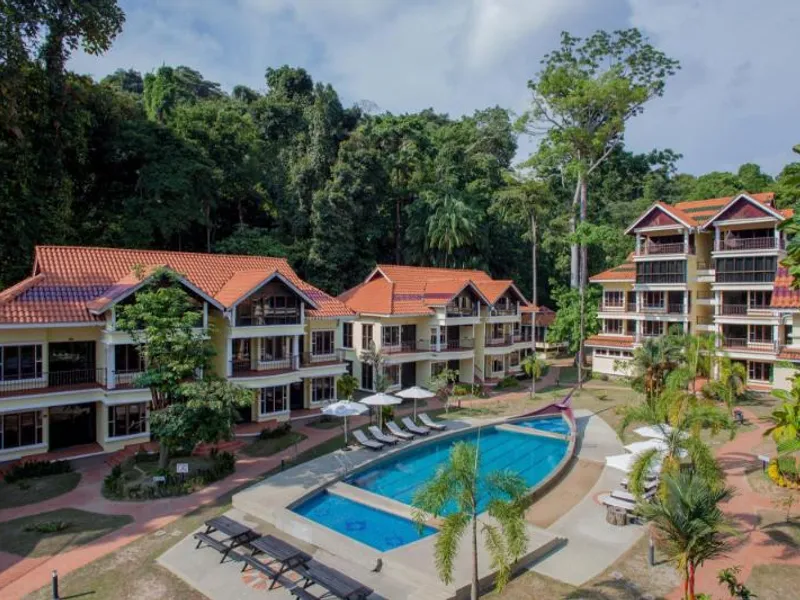
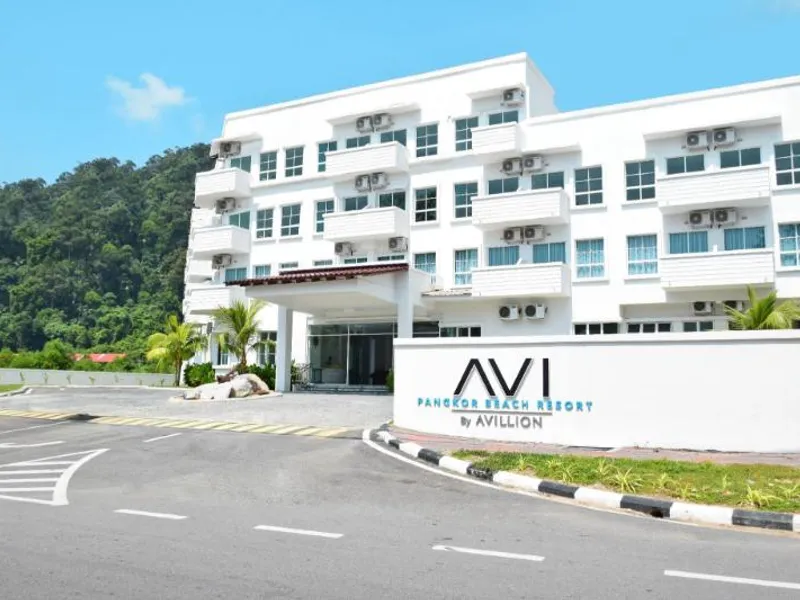
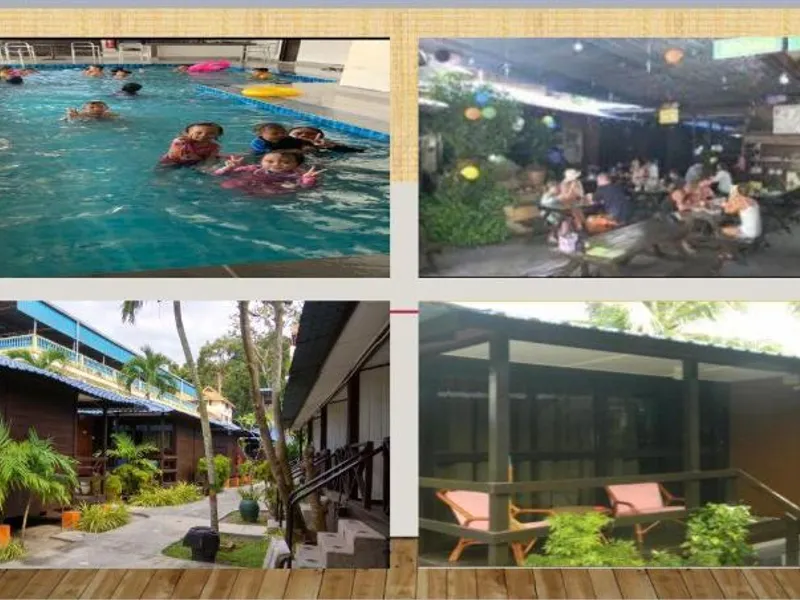
BonjourMalaisie selection — the best-rated for this stay. See all hotels →
Ready to explore Malaysia?
Book your transfer, plan your trips and find the right contacts.
You may also like
Penang in 4 Days: What to Do, Where to Eat and Where to Stay
A complete 4-day Penang itinerary: UNESCO George Town, Penang Hill and its funicular, Batu Ferringhi beaches, street food and budget. The practical guide to plan your island trip.
Kota Kinabalu: What to Do, Where to Stay and a 3-5 Day Itinerary (2026)
Kota Kinabalu is more than Borneo's gateway airport: a cheap, walkable coastal base for the Kinabalu park, the Tunku Abdul Rahman islands and Sepilok's orangutans. A 3 to 5 day itinerary, where to stay, street food, real costs and transport logistics.
Where to Eat on Jalan Alor: Kuala Lumpur's Street Food Guide
A complete guide to Jalan Alor, Kuala Lumpur's most famous street-food street: must-try dishes, real prices in ringgit, best times, MRT access and traps to avoid in Bukit Bintang.