
Where to Live in Kuala Lumpur: Expat Neighbourhoods Guide (2026)
Key facts
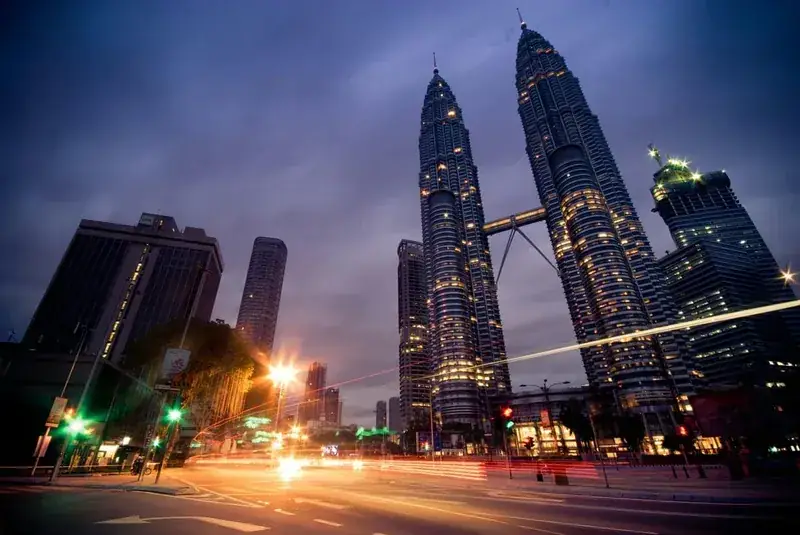
Mont Kiara, Bangsar, Ampang, KLCC, Desa ParkCity or Cheras: 2026 rent ranges by neighbourhood, tenant profiles, commute times to KLCC, international schools, deposits and transport. How to choose your Kuala Lumpur neighbourhood before signing a lease.
Choosing the right neighbourhood before signing a lease is the single most consequential decision of an expatriation to Kuala Lumpur. Rent accounts for 30 to 40 % of an expat budget, commuting time reshapes daily life, and a handful of addresses — Mont Kiara and Bangsar first among them — concentrate most foreign families and international schools.
This guide compares the main expat neighbourhoods of Kuala Lumpur with 2026 figures: real rent ranges, tenant profiles, commute times to KLCC, school access, amenities and weak points. It complements our Kuala Lumpur rental market 2026 analysis and the complete guide to renting in Malaysia, which cover the paperwork, deposit and tenancy agreement.
If you are still weighing the capital against the rest of the country, our comparison of the best places to live in Malaysia puts KL next to Penang, Malacca and Johor Bahru.
Why the neighbourhood matters more than the condo in Kuala Lumpur
Many expats spend weeks comparing condominium listings before grasping a simple fact: in Kuala Lumpur, two identical apartments can be 40 minutes of peak-hour traffic apart. The capital's rental market is highly fragmented — over 1.5 million homes, a large supply of recent towers and high vacancy in some areas — which means tenants have choice, but can also get it badly wrong.
The three most common mistakes among newcomers:
- Signing from abroad without a viewing: listing photos are often several years old, and a "KLCC view" may now be blocked by a tower built since.
- Underestimating traffic: 8 km can mean 15 minutes at 2 pm and 50 minutes at 8 am. A cheaper rent on the outskirts can cost two hours of your day.
- Forgetting charges and deposit: on top of rent come maintenance charges (200-600 RM/month depending on size), electricity (air-conditioning is expensive), internet, and a 3.5-month deposit.
A fourth point deserves attention: distance to school. Expat families who enrol their children at a Mont Kiara school but rent in Cheras to save 800 RM a month often end up hiring a driver — or moving again within a year. Our guide to international schools in Malaysia lists the areas served by each institution.
Finally, the neighbourhood determines access to daily services: international supermarkets (Village Grocer, Cold Storage, Jaya Grocer), private clinics, gyms, Western restaurants. These amenities cluster in a few hubs, which explains most of the rent gap.
Monthly spending basket by neighbourhood
Beyond rent, an expat budget in KL breaks down into fairly predictable items. The figures below are orders of magnitude for a couple without children, excluding rent, in 2026.
- Food: 1,200-1,800 RM (groceries + local restaurants + some Western meals)
- Transport: 300-600 RM with daily Grab, 600-1,000 RM with a car (fuel, tolls, insurance, parking)
- Electricity and water: 250-450 RM in a condo with daily air-conditioning
- Fibre internet: 100-160 RM
- Health (excluding insurance): 100-300 RM for occasional consultations
- Leisure and sport: 200-500 RM
That is roughly 2,150-3,800 RM excluding rent, plus health insurance — a line item our health insurance for expats comparison breaks down by age profile. For a country-wide view, see cost of living in Malaysia.
Central neighbourhoods cost more for food and leisure (Bangsar, KLCC) but reduce the transport budget. Outlying areas do the opposite. The total is often similar: it is a trade-off, not an automatic saving.
The 6 neighbourhoods where expats concentrate in KL
Kuala Lumpur does not work like Paris or London: there is no single centre where everything happens. The city is a patchwork of districts linked by urban highways, LRT and MRT. For an expat, three criteria almost always decide the address: proximity to schools, commute time, and the presence of lifestyle infrastructure (international supermarkets, cafés, gyms).
Mont Kiara: the safe bet for families
Mont Kiara has become the most identifiable expat district in KL. North-west of the centre, 15-20 minutes from KLCC outside peak hours, it concentrates some fifteen upscale condominiums, the French School of Kuala Lumpur (LFKL), several international schools, and a rare density of international supermarkets.
The most sought-after towers sit around Solaris Mont Kiara, Kiara 163 and Mont Kiara Pines. Units are generous (90-130 m² for a two-bedroom), with balconies and often two parking bays. The French-speaking community is well established here, which eases the first weeks of settling in.
Strengths: most towers offer pools, tennis courts and gyms. Families meet through the same schools, and social life comes easily.
Weaknesses: some of the highest rents in the city, and no heavy public transport (buses only), so a car is often necessary — see our guide to buying a car in Malaysia or driving on a foreign licence.
Bangsar: the address for young professionals and singles
Bangsar, south-west of the centre, is KL's trendy quarter: cafés, restaurants, bars, street markets, boutiques. It is connected to the centre by the LRT (Bangsar station, Kelana Jaya line) and a dense bus network. It is the favourite of singles, couples without children and professionals under 40 who want a social life without depending on a car.
New condos sit alongside older buildings, creating genuine price diversity. Bangsar is livelier and noisier than Mont Kiara, and school provision nearby is more limited.
The area splits into three zones: Bangsar Baru (the busy commercial heart), Bangsar Utama and Bangsar South (more residential and modern, around KL Gateway). Expats who value walking and nights out will pick Bangsar Baru, even if parking is difficult and buildings are often older.
Ampang: embassies and calm
Ampang stretches east of the centre, around the embassy district and Jalan Ampang. The area offers luxury residences (Ampang Hilir, Embassy Row) and a calmer atmosphere than Bangsar. Many embassies and international organisations have offices here, which attracts executives and diplomats.
Ampang Hilir, around the lake and the golf club, concentrates the city's most upscale residences. Foreigners often rent houses with gardens rather than apartments, which transforms daily life — and adds a maintenance budget on top of rent.
Ampang suits families who want calm 15 minutes from KLCC and quick access to the main international schools (ISKL, GIS, Alice Smith). Rents vary widely with the age and quality of the condo.
KLCC and Bukit Bintang: the centre for short assignments
KLCC, Bukit Bintang and the golden triangle concentrate office towers, hotels and luxury condominiums. The area attracts expats on short assignments, consultants and executives who want to walk everywhere.
Well-known residences (KLCC, Binjai, Marc Residence, Star Residence) offer hotel-style services: concierge, housekeeping, gym, panoramic pool. Rent often includes these services, which explains prices per square metre well above Mont Kiara for smaller units.
The advantage is transport: MRT, LRT, monorail and buses intersect. The downside is price: the highest rents in the city, and the constant bustle can wear on daily life.
Desa ParkCity: the family compromise
Desa ParkCity, north-west of the centre, is a recent planned district built around a lake. It offers modern condominiums, a central park, international schools nearby and a very quiet residential feel. It is especially popular with families with young children.
The district is further from the centre (30-40 minutes by car depending on traffic) and heavily car-dependent. Rents remain below Mont Kiara for equivalent space.
Cheras and Sri Petaling: the budget option
For expats looking to limit rent, Cheras (south-east) and Sri Petaling offer more affordable condos, often well connected to the bus network and the LRT/MRT. Life there is more local, with hawker centres and neighbourhood markets.
Visitors passing through will enjoy our 3-day Kuala Lumpur itinerary and our Kuala Lumpur destination guide.
Rent comparison by neighbourhood (2026)
The ranges below are for furnished apartments, 2 bedrooms / 70-90 m², in 2026. They vary with building age, floor and pool access.
| Neighbourhood | 1 bedroom | 2 bedrooms | 3 bedrooms | Dominant profile |
|---|---|---|---|---|
| Mont Kiara | 1,800-2,800 RM | 2,500-4,500 RM | 3,500-6,000 RM | Expat families |
| Bangsar | 1,500-2,500 RM | 2,200-3,800 RM | 3,200-5,500 RM | Young professionals |
| Ampang | 1,400-2,400 RM | 2,000-3,600 RM | 3,000-5,000 RM | Families, diplomats |
| KLCC / Bukit Bintang | 2,000-3,500 RM | 3,000-5,500 RM | 4,500-7,500 RM | Short assignments |
| Desa ParkCity | 1,600-2,600 RM | 2,300-4,000 RM | 3,200-5,200 RM | Families with young kids |
| Cheras / Sri Petaling | 1,000-1,800 RM | 1,500-2,600 RM | 2,200-3,800 RM | Tight budget |
To place these amounts in a full budget, our cost of living in Malaysia page details rent, food, transport and healthcare city by city.
What really moves the rent
Three factors matter more than geography: a pool and gym, the number of parking bays (a condo without parking can be 15-20 % cheaper), and the building's age (towers completed after 2018 often rent 20-30 % above 2000s buildings).
The standard deposit in Malaysia is 2 months' rent + 1 month advance + 0.5 month agency fee. Budget 3.5 months of rent in cash at signature — a line item candidates often forget. Our guide to renting a home in Malaysia explains how to verify the owner and avoid scams.
Schools, transport and daily life
International schools
Neighbourhood choice is often dictated by school. Mont Kiara, Ampang and Desa ParkCity host most international institutions within 20 minutes. Our guide to international schools in Malaysia details fees, enrolment procedures and waiting lists.
Getting around daily
KL has the LRT (3 lines), MRT (2 operational lines), monorail and a dense bus network. Bangsar, KLCC and Sri Petaling are best served; Mont Kiara and Desa ParkCity rely mainly on cars or Grab.
Our transportation in Malaysia page gives Grab fares and alternatives. For daily use, a car often remains the best investment for a family settled in the outskirts.
Health and insurance
Central neighbourhoods have access to the major private hospitals (Prince Court, Gleneagles, Sunway Medical Centre for Ampang/Sunway). Our guide to the Malaysian healthcare system and our health insurance for expats comparison help you choose suitable cover.
How to choose your neighbourhood: a 5-step method
- Set your maximum commute to work (30 minutes off-peak is a reasonable target in KL).
- List the children's schools and measure the actual school run at peak hour.
- Decide on transport mode: car or public transport already eliminates half the neighbourhoods.
- Visit on weekdays at 8 am and 6 pm, never only at weekends.
- Check the deposit and charges before signing, and have the lease reviewed.
For expats arriving on a long-stay visa, our MM2H 2026 guide and our complete relocation guide cover residence rules and administrative steps.
> 📋 Related procedures
FAQ
Which is the best neighbourhood for an expat family in Kuala Lumpur?
Mont Kiara remains the most common choice for families with school-age children, thanks to proximity to international schools and supermarkets. Desa ParkCity is a quieter and often cheaper alternative for equivalent space.
How much does a 2-bedroom apartment cost in Mont Kiara in 2026?
Expect between 2,500 and 4,500 RM per month for a furnished two-bedroom, depending on the tower's age and pool access.
Do you need a car to live in Kuala Lumpur?
Not if you live in Bangsar or KLCC. For Mont Kiara, Desa ParkCity or Cheras, a car or regular Grab use is strongly recommended.
What deposit is required to rent in Malaysia?
The standard practice is 2 months' rent as deposit + 1 month advance + 0.5 month agency fee, about 3.5 months of rent in total.
Can you rent without a long-stay visa?
Yes, a tenancy can be signed on a tourist visa, but length of stay and opening a local bank account remain restricted. Check your situation with our Malaysia visa guide.
Conclusion
The best neighbourhood is not the most expensive one: it is the one that minimises your daily commute while staying compatible with your budget and your children's school. Visit at peak hour, check the deposit, and compare at least three buildings in the same area before signing.
👉 Need help preparing your move? Contact us or browse our transport and transfer services.
Things to do in Kuala Lumpur
Tickets and experiences at the best price — instant online booking. All activities →
Kuala Lumpur Half Day City Tour
Discover the urban paradise — Kuala Lumpur — on an exciting half-day city tour, visiting tallest skyscrapers and iconic monuments.
Kuala Lumpur City & Batu Caves Combo Tour
Get amazing experience here when you book this walking tour in Kuala Lumpur City & Batu Caves Combo (Private).
Genting Highlands and Batu Caves Day Tour
See more of Kuala Lumpur with this mountainside tour. Get a chance to visit Genting Highlands, Batu Caves and an optional side trip to Chin Swee Caves Temple, all in one day! Treat the whole family to a quick getaway with this tour and for instant confirmation.
Spa and Massage at Qi Forest IBIS Styles KLIA
Immerse yourself in tranquility with our spa and wellness experience at Qi Forest. Rejuvenate your body and mind with relaxation therapy, holistic healing, and nature-inspired treatments amidst the serene surroundings of IBIS Styles KLIA or Perhentian Marriott Resort & Spa. Discover our range of spa packages and embark on a journey to wellness. Book your rejuvenating experience now at Qi Forest.
Kuala Lumpur Suburbs Batu Caves Half-Day Tour
Explore the beautiful villages surrounding Kuala Lumpur, visit limestone Batu caves, local factories and more.
KL Hop-On Hop-Off Sightseeing Bus Pass
Get your KL Hop-On Hop-Off sightseeing bus pass now.
Where to stay in Kuala Lumpur
BonjourMalaisie selection — the best-rated for this stay. See all hotels →
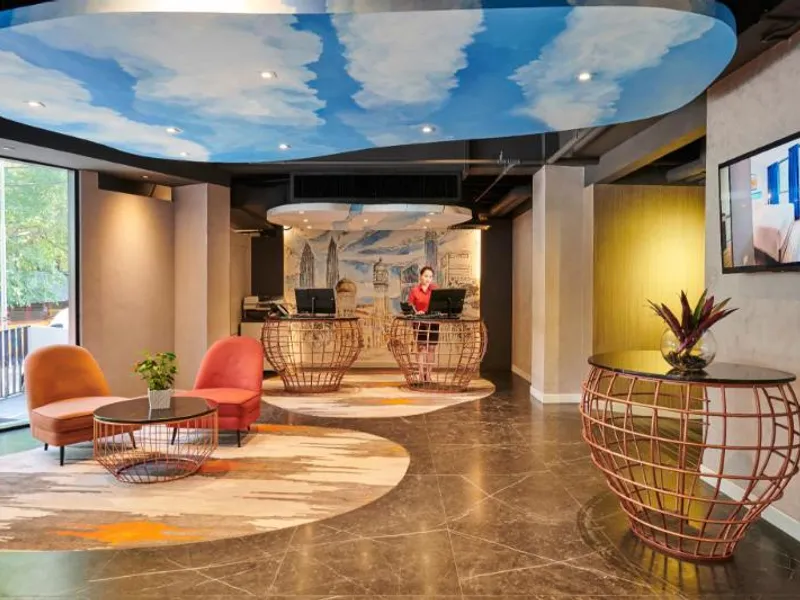
J-Hotel by Dorsett
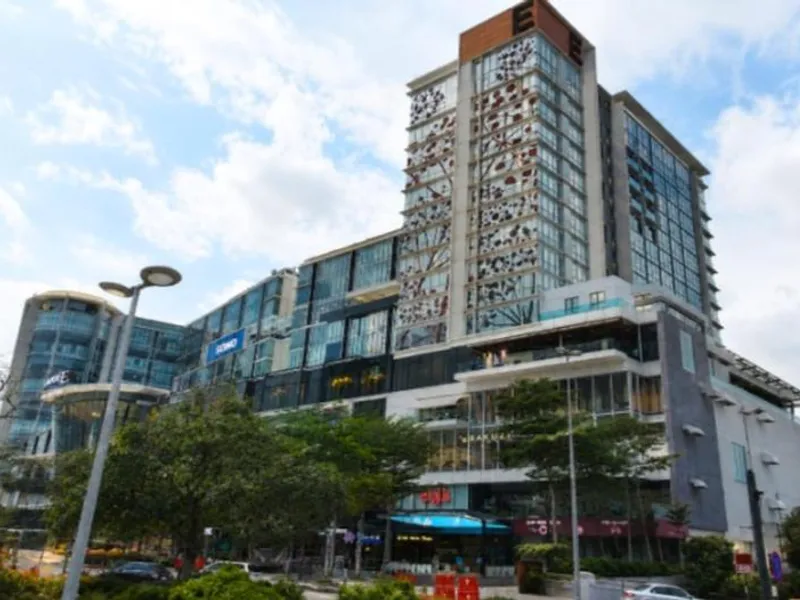
Sunday Hotel Subang
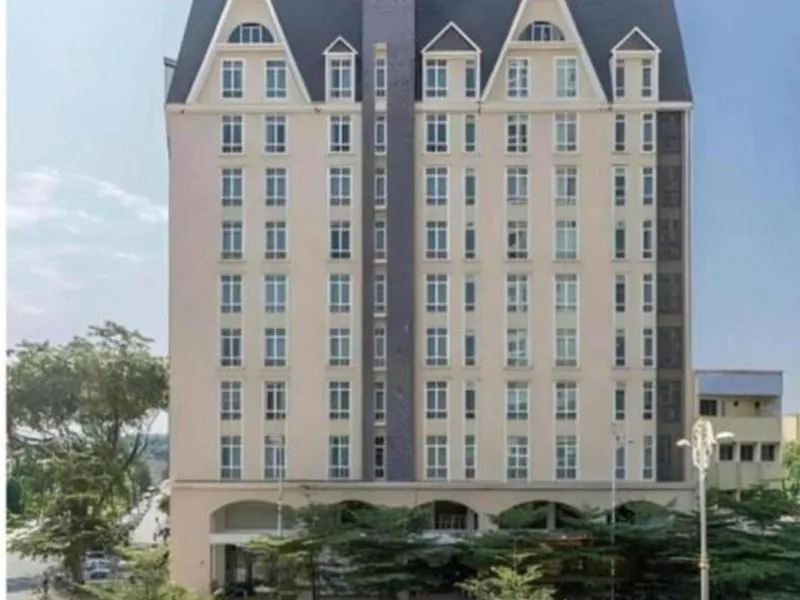
Palette KL Sentral Station Formerly Scott Hotel
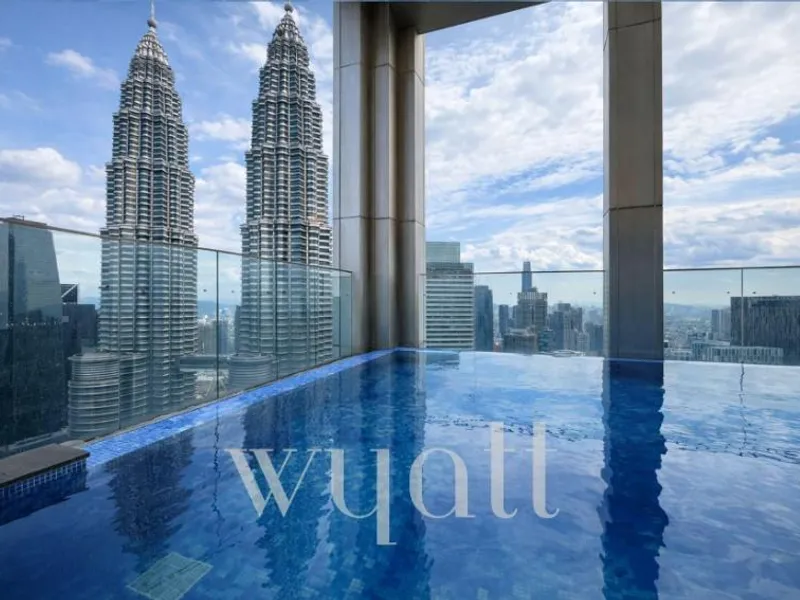
Tropicana The Residence Kuala Lumpur by Wyatt
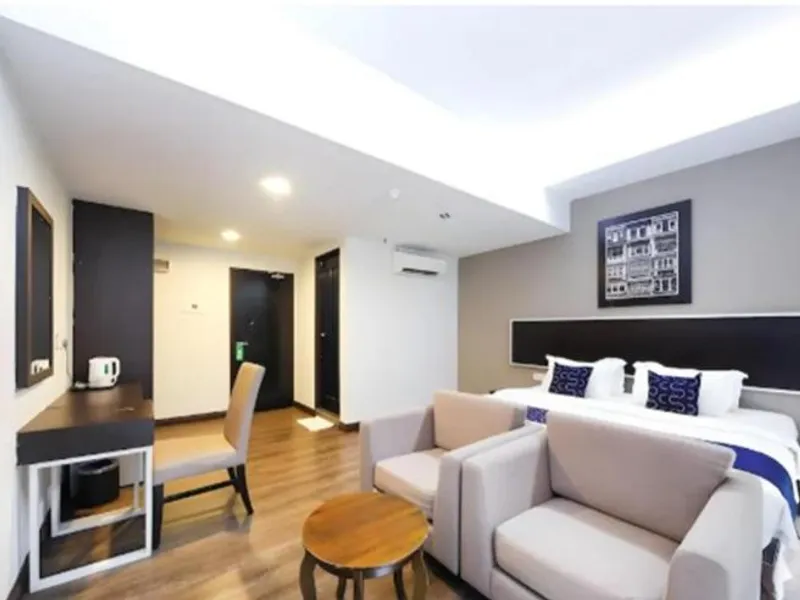
Palette KL Sentral near Pudu LRT formerly RPC Blissful Homes
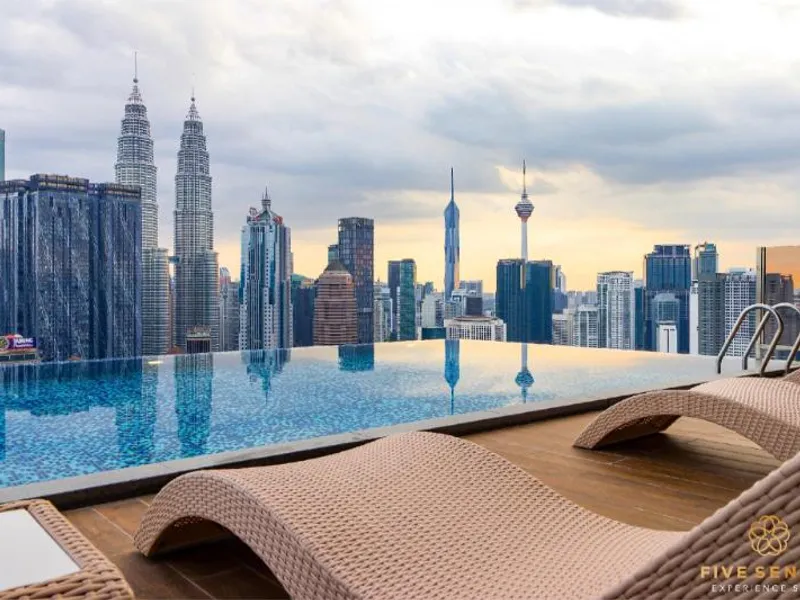
Armani Residence and Hotel Kuala Lumpur
Ready to explore Malaysia?
Book your transfer, plan your trips and find the right contacts.
You may also like
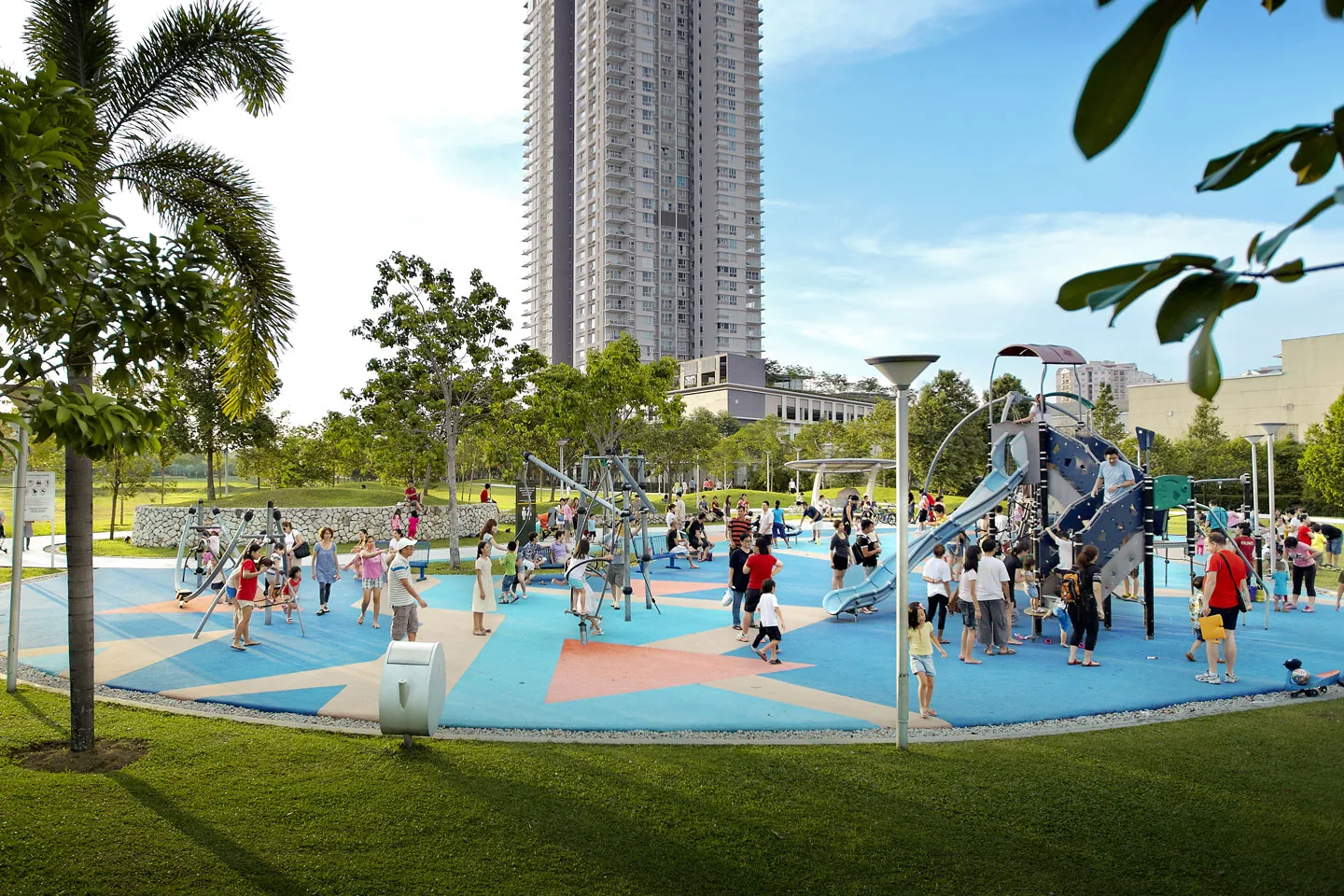
Kuala Lumpur Rental Market in 2026: Prices, Areas and Tips
Kuala Lumpur rents in 2026: average prices by property type and neighbourhood, how Malaysian leases work, security deposits, monthly charges and tips to find an apartment.
Commissioner for Oaths in Malaysia: The Expat's Practical Guide
Commissioner for Oaths in Malaysia: what it is, what it costs (2026 fees), how to find one near you, the step-by-step procedure, the Wisma Putra apostille, and mistakes to avoid for expats.
Best Places to Live in Malaysia for Expats in 2026
Where to settle in Malaysia in 2026: Kuala Lumpur vs Penang vs Cameron Highlands vs Langkawi vs Johor Bahru — rent, schools, lifestyle and budget compared.