
Borneo: Jungle, Orangutans and Diving (2026 Guide)
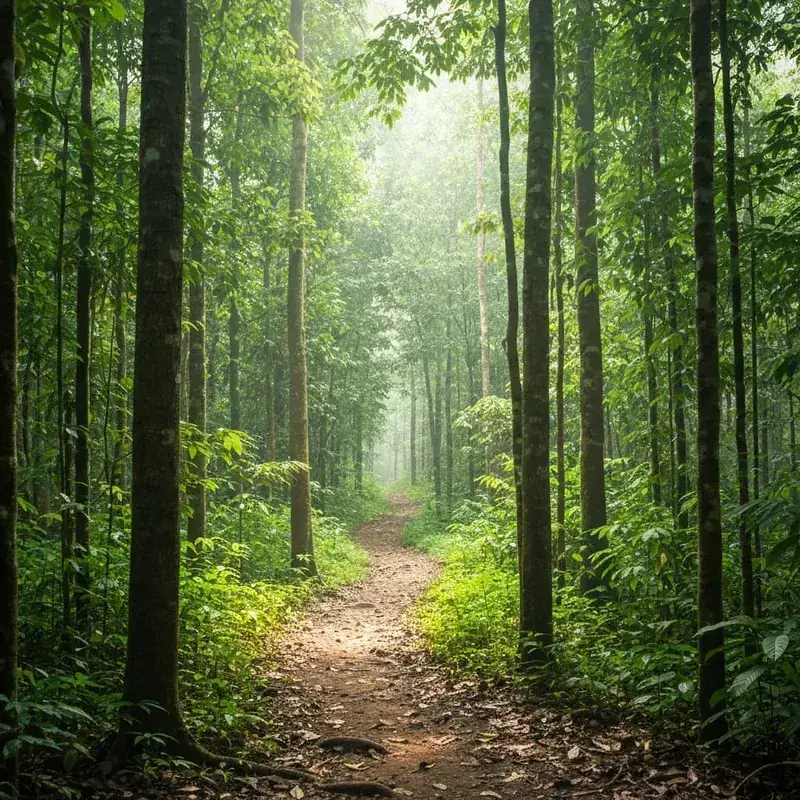
Key facts
A complete guide to Malaysian Borneo (Sabah and Sarawak): Sepilok and the orangutans, the Kinabatangan river, Mount Kinabalu, diving in Sipadan, seasons, real ringgit budgets and a 10-day itinerary.
Borneo is the third-largest island in the world, and the Malaysian part — Sabah and Sarawak — covers the north of the island across roughly 200,000 km². This is a different Malaysia: 130-million-year-old dipterocarp forests, the orangutans of Sepilok, the Kinabatangan river where you spot proboscis monkeys at dawn, and the waters of Sipadan, consistently ranked among the ten best dive sites on the planet. One region, three different trips: jungle, wildlife and diving.
This guide is a practical manual for planning a Borneo trip without needing three weeks or an unreasonable budget. It covers the gateways (Kota Kinabalu, Sandakan, Kuching, Tawau), realistic durations per stage, real prices in ringgit, the season to aim for depending on whether you come for forest or sea, and the classic pitfalls — particularly the Sipadan dive permit quota. To place Borneo within a national itinerary, our destinations page and our 2-week Malaysia budget article give the wider framework.
Malaysian Borneo: Sabah or Sarawak?
The first decision is not "which beach" but "which state". Both are part of the Malaysian federation, but they are not visited the same way.
Sabah (north-east, capital Kota Kinabalu) concentrates most of what travellers come for: Mount Kinabalu (4,095 m), Kinabalu National Park, the Danum valley, the Kinabatangan river, Sepilok and its orangutans, and the east-coast islands — Mabul, Kapalai, Mataking, Sipadan. It is the most "packaged" region, with simple logistics from KK or Sandakan.
Sarawak (south-west, capital Kuching) is larger, less dense, less visited and culturally very different: Iban and Bidayuh longhouses, Gunung Mulu park and its UNESCO-listed caves, Bako park reachable by boat from Kuching, the Semenggoh orangutan reserve, and an outstanding street-food scene (kolo mee, Sarawak laksa, midin). The pace is slower, the distances longer.
The practical choice: with fewer than ten days on Borneo, pick a single state. Sabah for the jungle + diving combination; Sarawak for culture, caves and forest accessible without domestic flights.
Getting there and getting around
Gateways
- Kota Kinabalu (BKI): direct flights from Kuala Lumpur (2 hr 30), Penang, Johor Bahru, Singapore and Brunei. The most useful airport if you combine Kinabalu, Sepilok and the east-coast islands.
- Sandakan (SDK): flights from KK (45 min) and KL. The logical starting point for Sepilok, Kinabatangan and the river.
- Tawau (TWU): flights from KK and KL. This is the access point to the Semporna islands (Mabul, Kapalai, Sipadan) — allow 1 hr 15 by road between airport and Semporna jetty.
- Kuching (KCH): direct flights from KL, Johor Bahru, Singapore, Penang. Base for Bako, Semenggoh and the longhouses.
- Miri (MYY): flights from KL and KK; gateway to Gunung Mulu (30-min Twin Otter hop).
On the ground
Distances are real: Kota Kinabalu–Sandakan is 5 to 6 hours by road or 45 minutes by air. KK–Semporna is 9 hours by road. Kuching–Mulu is by air only. Buses are cheap (RM 30 to 60 for a 5-hour run) but slow; domestic flights with Malaysia Airlines, AirAsia and Batik Air often cost RM 100 to 250 booked in advance, which makes flying more rational than driving on the long legs.
For a rental car, a foreign licence is enough (see our guide driving in Malaysia with a foreign licence). Do not count on ride-hailing for long distances, though: Grab works well in cities (KK, Kuching) but disappears outside urban areas. Airport-to-hotel and intercity transfers are far more reliably booked in advance; our transport page details the options and you can book a transfer for arrival.
Jungle and wildlife: the stages worth the detour
Sepilok and orangutan rehabilitation
Twenty-five kilometres from Sandakan, the Sepilok Orangutan Rehabilitation Centre takes in orphaned or confiscated orangutans with the goal of returning them to the wild. Two daily feedings (10 am and 3 pm) at the observation platform, plus the neighbouring Sun Bear Conservation Centre, dedicated to the Malayan sun bear — the smallest and most threatened bear species in the world. Expect RM 30 for the orangutan centre and RM 50 for the sun bear centre. Half a day is enough; a full day is more comfortable.
One honest caveat: Sepilok is not a zoo. The animals are free to approach or not; during fruiting season, many do not come to the platforms at all. That is good news for them and less good for photos.
The Kinabatangan river
This is the best wildlife-to-effort ratio in all of Borneo. Over two or three days, based at a riverside lodge near Sukau, you alternate dawn and dusk cruises: proboscis monkeys, long-tailed macaques, rhinoceros hornbills, crocodiles, and occasionally Borneo pygmy elephants — an endemic subspecies with an estimated population of around 1,500 individuals, and one you need luck to see. Lodges offer 2-night/3-day packages with transfers, meals and cruises, generally between RM 700 and RM 1,400 per person depending on standard.
Kinabalu National Park and Mount Kinabalu
Climbing Kinabalu (4,095 m) takes planning: permit, mandatory guide, accommodation at Laban Rata, and a limited daily quota. Allow 2 days/1 night, a budget of RM 1,200 to 2,000 per person depending on the operator, and reasonable fitness — the ascent is done in two stages with a pre-dawn start for the summit. If you are not climbing, the national park itself deserves a day: botanical trails, rhododendron gardens and views of the south face.
Danum Valley and Maliau Basin
For primary-forest enthusiasts, the Danum Valley conservation area (438 km² of intact forest) is about as good as it gets in South-East Asia. Access is limited and expensive — RM 2,500 to 4,000 for 3 days in a lodge — but the sightings (gibbons, hornbills, occasionally clouded leopard) are on another level. Maliau Basin, the "Lost World", is even more confidential and requires a guided 5- to 7-day trek.
Sarawak: Bako, Mulu and Semenggoh
Bako, 40 minutes by boat from Kuching, offers 37 km of trails, jungle beaches and close-up wildlife (macaques, wild boar, monitor lizards). Mulu, UNESCO-listed, holds the Deer Cave — one of the largest chambers in the world — and the Clearwater network. Semenggoh, near Kuching, is a semi-wild orangutan reserve with optional feedings.
Diving and snorkelling: Semporna and Sipadan
Sipadan is an oceanic island off Semporna — a jungle-covered volcanic cone ringed by coral walls. Green and hawksbill turtles (dozens per dive), whitetip and grey reef sharks, swirling barracuda schools, and the famous "tornado" of trevallies.
Three constraints to know before booking:
- Strict quota: 176 dive permits per day, issued only to licensed operators, with a maximum stay of 2 consecutive days per diver. Permits must be booked several weeks ahead in high season.
- You do not sleep on Sipadan: accommodation is on Mabul, Kapalai or in Semporna, with a boat transfer (30 to 50 min).
- Level required: Open Water is enough for most sites, but several involve current and depth; Advanced Open Water is a plus.
Realistic budget: a 3-night/4-day dive resort package on Mabul with 2 Sipadan days included runs around RM 2,200 to 3,500 per person full board with gear. A snorkelling-only package drops to RM 900 to 1,500. The west-coast Sabah islands (Tunku Abdul Rahman, 20 minutes by boat from KK) offer a cheaper, more accessible alternative for a first mask-and-snorkel experience; our article diving and snorkelling in Perhentian and Tioman details the comparison with the peninsula islands.
When to go: two seasons, two logics
Borneo is close to the equator: 30–33 °C year-round in the lowlands, 18–24 °C on Kinabalu, with rain possible at any time. What changes is the monsoon.
- Sabah, west coast (KK, Kinabalu): the driest window is January to April. September–October is also fine. November to January is the wettest.
- Sabah, east coast (Sandakan, Semporna, Sipadan): the dry season runs April to September, with the best underwater visibility from March to June. November to February is the north-east monsoon: many dive operators close or scale down.
- Sarawak (Kuching, Mulu): wetter overall, peaking November to February. Mulu is visitable year-round, but night trails and some caves close when water levels rise.
The practical consequence: if you combine western Sabah, eastern Sabah and Sarawak in one trip, no single window is optimal everywhere. The best compromise is March to May, then September.
What a Borneo trip costs
| Item | Indicative budget |
|---|---|
| KL–Kota Kinabalu flight (one way, booked one month ahead) | RM 150 – 350 |
| Hostel or guesthouse night (dorm) | RM 40 – 70 |
| Decent hotel night (KK, Kuching) | RM 150 – 280 |
| Kinabatangan lodge (2 nights/3 days, all-in) | RM 700 – 1,400 / pers. |
| Mabul + Sipadan dive package (3 nights) | RM 2,200 – 3,500 / pers. |
| Local meal (kopitiam, market) | RM 8 – 15 |
| Car rental (per day) | RM 120 – 200 |
Including domestic flights, packages and transfers, a 10-day Borneo trip comes to roughly RM 4,000 to 6,500 per person (€800–1,300) excluding the international flight, at mid-range. To calibrate a whole Malaysia trip, our article 2-week Malaysia budget and the cost of living page give detailed benchmarks.
Practical logistics: health, safety, connectivity
Health. Malaria is present in rural Sabah (Kinabatangan valley, interior) but absent from cities and islands. Dengue risk, however, is real everywhere, including in cities: repellent, long sleeves at dusk. Island waters are clean; tap water is not — drink bottled or filtered. No vaccination is mandatory when arriving from Europe, but hepatitis A and typhoid are recommended. See our health page and the health and life insurance procedure.
Safety. Borneo is calm. The only genuinely discouraged area is the east coast of Sabah beyond Semporna, towards the Sulu Sea islands (Philippine border), where abductions have occurred in the past and where the authorities maintain a military presence. Sipadan and Mabul are patrolled and considered safe, but follow operator instructions.
Connectivity. A local SIM (Celcom, Maxis) costs RM 10 to 30 with several GB of data; see the getting a SIM card procedure. Coverage is good in cities and on the main islands, weak or absent in the jungle — which is also part of the trip.
Suggested itinerary: 10 days in Sabah
- D1–D2 — Kota Kinabalu: jet-lag recovery, Gaya Street night market (Sunday morning), Tanjung Aru beach at sunset, Tunku Abdul Rahman excursion.
- D3 — Flight KK–Sandakan, afternoon at the Sun Bear Centre and the Sepilok feeding.
- D4–D5 — Kinabatangan: cruises, lodge night.
- D6 — Back to Sandakan, flight to Tawau, transfer to Semporna.
- D7–D9 — Mabul, diving or snorkelling, two Sipadan days if permits obtained.
- D10 — Return to Tawau, flight to KL or KK.
Sarawak variant (8 days): Kuching (2 d) → Bako (2 d) → Semenggoh and longhouse (2 d) → Mulu (2 d).
Frequently asked questions
Do I need a visa for Borneo?
No, if you enter Malaysia as a French or EU national: the 90-day visa exemption applies across the whole territory, Sabah and Sarawak included. Note that Sabah and Sarawak run their own immigration check on arrival from the peninsula — your passport is stamped a second time, and the permitted stay restarts. See our Malaysia visa 2026 article for special cases.
Will I definitely see orangutans?
At Sepilok or Semenggoh the animals are semi-wild and sightings depend on the season. When fruit is abundant (often November–January), many do not come to the platforms. The odds are high but never guaranteed — avoid any agency that promises otherwise.
Can I dive Sipadan without certification?
No. Sipadan requires at least Open Water for most sites, and operators often ask for 20 logged dives before taking you to current-exposed sites. Without certification you can do a try-dive on Mabul or snorkel, which is still excellent.
What budget for 10 days?
Mid-range, allow RM 4,000 to 6,500 per person (€800–1,300), excluding the international flight, including domestic flights, a Kinabatangan lodge and two Sipadan dive days.
Is Borneo suitable with children?
Yes, with a lighter programme: Sepilok, Kinabatangan in a comfortable lodge, Tunku Abdul Rahman islands. Sipadan and the Mulu or Kinabalu treks are not suited to young children.
📋 Related formalities
- Transportation in Malaysia — buses, trains and domestic flights
- Getting a SIM card — data for Grab and offline maps
- Health and life insurance — cover in rural areas
- Driving in Malaysia — foreign licence and car rental
👉 Planning a Borneo trip and want an airport transfer, a lodge booked or a jungle + islands combination? Contact us or book your transfer — fast reply, online quote.
Things to do in Borneo
Tickets and experiences at the best price — instant online booking. All activities →
Kota Kinabalu Borneo Cultural Village Half-Day Tour
Get a closer look at the beauty and culture of Borneo in this Borneo Cultural Village tour with optional Klias River Cruise. for a hassle free tour experience.
Tandem Paragliding Experience in Borneo Ranau & Kokol Hill
Join Borneo Paragliding Experience in Ranau for an exciting paragliding experience with the breathtaking view of Mount Kinabalu.
ATV Borneo Adventure - Ultimate Kundasang ATV Experience
Join ATV Adventure in Kundasang for an unforgettable experience in Kundasang with the best view of Mount Kinabalu. At the same time visit Desa Cattle Dairy Farm and Earthquake Historic Site.
Northern Tip of Borneo (Kudat) Day Tour
Book this tour and marvel at the lush greeneries of the northern part of Borneo Island.
Borneo Rainforest Kayaking & Waterfall Day Tour
Borneo Rainforest Kayaking & Waterfall Day Tour in Borneo.
Ready to explore Malaysia?
Book your transfer, plan your trips and find the right contacts.
You may also like
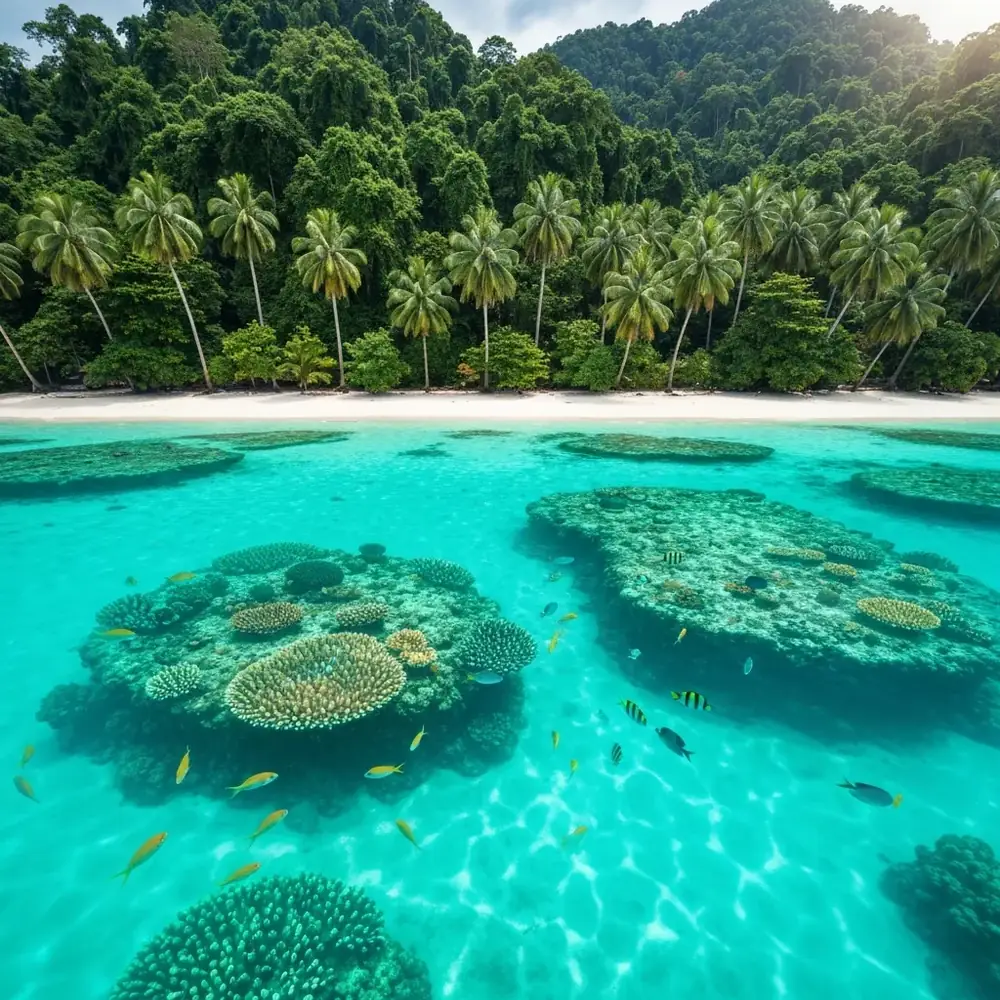
Diving and Snorkelling in Perhentian and Tioman: The Complete Guide
The complete guide to diving and snorkelling in Perhentian and Tioman: which island to choose, best season, must-dive sites, real 2026 prices, where to stay and how to get there from Kuala Lumpur.
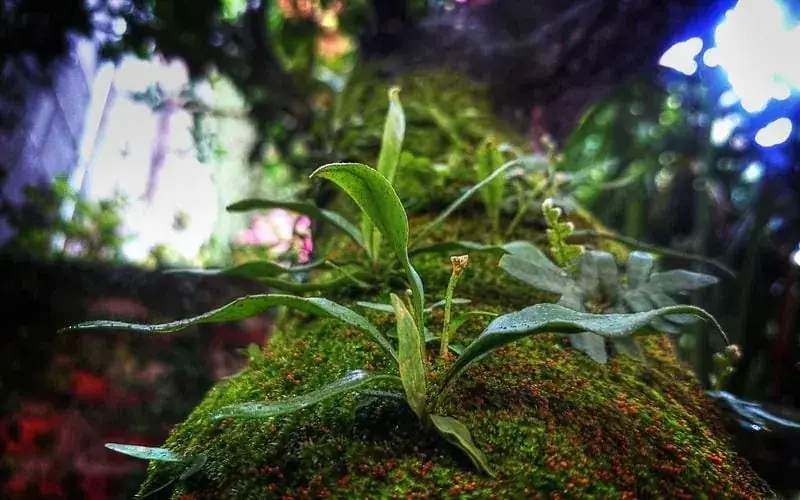
Rooftops and Nightlife in Kuala Lumpur: The 2026 Guide
Where to go up for the Petronas Towers view, what a rooftop night costs, whether to book, what to wear and where to stay to be at the heart of Kuala Lumpur nightlife.
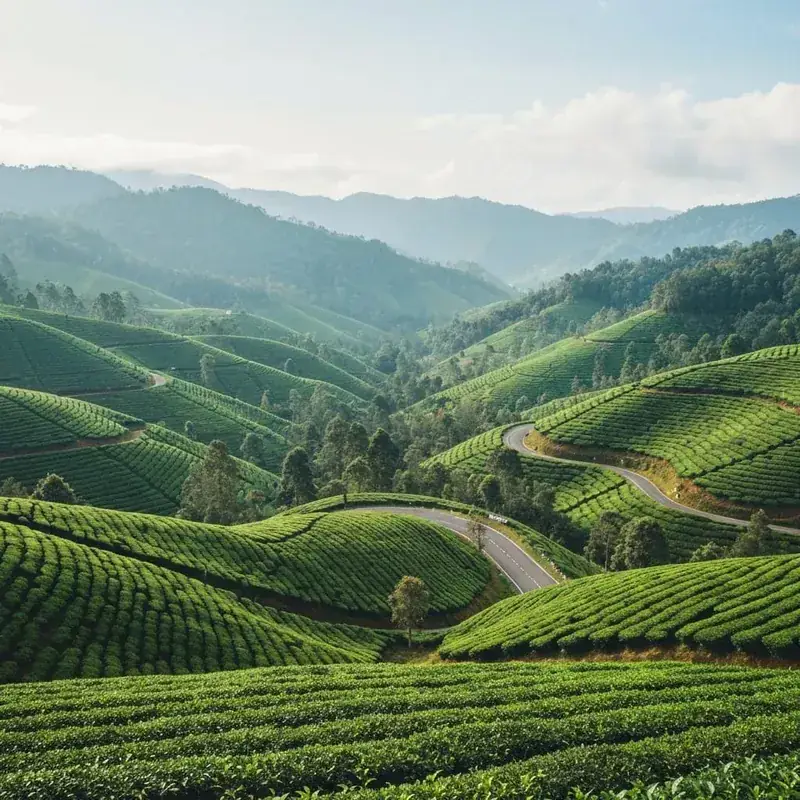
Cameron Highlands: Tea Plantations, Strawberries and Hiking (2026)
A complete 2026 guide to the Cameron Highlands: getting there and around, BOH and Bharat tea estates, strawberry picking, trails graded by difficulty (Mossy Forest, Gunung Brinchang), Brinchang night market, budget and weather.