
Safety in Malaysia in 2026: What Expats Really Need to Know
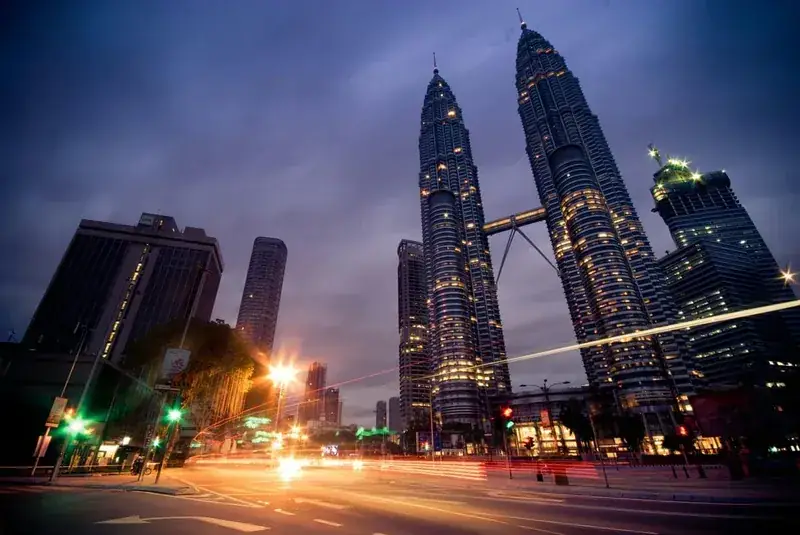
Key facts
Is Malaysia dangerous? An objective look at safety in Malaysia in 2026: petty crime, scams targeting foreigners, road safety, health and natural risks, emergency numbers and region-by-region advice for expats.
Safety in Malaysia in 2026: What Expats Really Need to Know
"Is Malaysia dangerous?" It is one of the most common questions French-speaking expats ask before moving to Kuala Lumpur. The honest answer is nuanced: Malaysia is an overall safe country, regularly ranked 10th in Asia-Pacific on the Global Peace Index, where violent crime against foreigners remains rare. But petty crime exists, some scams specifically target expats, and the real daily dangers are rarely the ones people imagine: the roads, flash floods and dengue.
This guide gives you the facts about safety in Malaysia in 2026: the numbers, the real risks for expats, the scams to watch out for, road safety, health and natural risks, sensitive areas and the right reflexes to adopt. Before you go, our Complete Expat Guide helps you prepare every step of your relocation, from housing to schooling.
Is Malaysia a Dangerous Country? The Objective Picture
Let's look at facts before impressions. Malaysia ranks 10th in Asia-Pacific on the 2024 Global Peace Index, ahead of most of its Southeast Asian neighbours, with a score comparable to many European countries. Official statistics show a steady decline in the crime index since 2020, and the vast majority of expats spend years in Kuala Lumpur without ever experiencing a violent incident.
What you need to understand is the nature of local crime. As in every large Southeast Asian city, it is mostly opportunistic and non-violent: pickpocketing, phone snatching, theft in crowds. Violent crimes against tourists and expats are rare, and firearm ownership is very strictly regulated.
| Common fear | Reality in Malaysia |
|---|---|
| Firearms | Extremely rare; possession tightly regulated by law |
| Violent assaults | Rare, especially in tourist and residential areas |
| Kidnapping | Almost non-existent involving expats |
| Petty crime | Real: pickpocketing, snatch theft, bag snatching |
| Scams | Common and sometimes sophisticated, targeting foreigners |
So the real question is not "is Malaysia dangerous", but "what are the concrete risks and how do I avoid them". That is exactly what the rest of this guide covers.
The Real Risks for Expats
Snatch theft and phone snatching
The most common offence in Kuala Lumpur is phone or bag snatching by a passing motorcyclist. The most affected areas are busy thoroughfares: Bukit Bintang, Masjid India, around KL Sentral, Pasar Seni and night markets. Pickpockets also operate in market crowds such as Petaling Street and in packed metro carriages during rush hour.
A few simple habits dramatically reduce the risk:
- Do not walk with your phone in your hand on the roadside: snatch thefts almost always happen from the road.
- Carry your bag on the side away from traffic, closed, without important documents inside.
- Avoid staring at your phone while walking in busy areas, especially in the evening.
- Do not flash expensive jewellery or watches in the street.
- Use ATMs inside banks or shopping malls to limit card-skimming risk.
If you are robbed, file a report at the nearest police station: the receipt is essential for your insurance. A dedicated tourist police unit is based in Bukit Bintang, and most major commercial areas are patrolled.
Scams That Target Foreigners
This is the number one risk for newcomers, because it also reaches secure residential areas. The most common scams in 2026:
- Fake airport drivers and overcharging taxis: always book through an official app (Grab, AirAsia Ride) or a recognised transfer service, and check the driver's name before getting in.
- Rental scams: apartments listed at very attractive prices, a "deposit" requested before any viewing, fake landlords. Never send money without visiting the property and checking the ownership title.
- Investment and cryptocurrency scams: Malaysia is a hotspot for fraudulent platforms, often promoted on social media. If the promised return sounds too good, it is a scam.
- Love scams and fake profiles: widespread, especially on dating apps, with progressive requests for money.
- Fake job offers: "recruiters" asking for processing fees or bank details for a job that does not exist.
- ATM skimming: check the card reader and prefer indoor machines.
The golden rule: no legitimate Malaysian administration will ask for untraceable online payments or bank card codes. When in doubt, end the conversation and check with an official source.
Break-ins and Housing Security
Burglaries happen, but they mainly target poorly protected landed houses. The norm for expats is the condominium with 24/7 security, access badges and CCTV. In a guarded residence, the risk is very low. For a landed house, choose a gated neighbourhood and install an alarm.
Road Safety: The Real Daily Danger
This is the most underestimated risk. Malaysia has one of the highest road accident rates in Asia, with several thousand deaths per year, mostly motorcyclists. Local driving is often fast, and overtaking on the right surprises newcomers. Pedestrians must be especially careful: crossings are not systematically respected, and crossing busy urban roads outside footbridges is dangerous.
If you drive, caution is key: respect speed limits (often 90 km/h on rural roads, 110 on highways), avoid night driving outside major routes, and beware of mountain roads during the monsoon. Our transportation in Malaysia page details the alternatives — metro, trains, long-distance buses and ride-hailing apps — which are often safer than driving in the city.
Natural and Health Risks
Flash floods in Kuala Lumpur
From November to March, tropical downpours can cause flash floods in Kuala Lumpur streets within minutes. The risk is real but manageable: never walk or drive through flooded roads (the current can sweep a vehicle away), follow official alerts and prefer elevated routes such as the elevated metro lines.
Haze season
Between August and October, smoke from Indonesian forest fires can degrade air quality, with indices sometimes exceeding 150 (unhealthy). Sensitive people (asthma, children, seniors) should limit outdoor exertion on those days and use an air purifier at home. The official APIMS app (Department of Environment) provides real-time readings.
Dengue and mosquitoes
Dengue is endemic in Malaysia, with tens of thousands of cases a year, mainly during and after the rainy season. The mosquito vector bites mostly at dawn and dusk. Prevention: repellent, covering clothing in the evening, and removing stagnant water around your home (residences are inspected regularly). If you get sudden fever, pain behind the eyes or joint pain, seek medical advice quickly. Malaysia has excellent private hospitals; our health in Malaysia page explains how the system works and how to choose a facility.
Water and food hygiene
Tap water is not drinkable in Kuala Lumpur: drink bottled or filtered water. Street food is generally excellent and safe if you choose busy stalls with high turnover, but European stomachs take a few weeks to adapt. Basic hygiene (washing hands, avoiding dubious crushed ice) limits unpleasant surprises.
Safety by Region
- Kuala Lumpur: an overall safe city, including at night in well-lit central areas. Avoid dark alleys and deserted zones after midnight, as in any big metropolis. The expat residential areas (Mont Kiara, Bangsar, Damansara Heights, KLCC) are very quiet. See our Kuala Lumpur guide.
- Penang / George Town: very safe and relaxed; petty crime is concentrated around night markets.
- Langkawi: a calm tourist destination with high safety; use normal caution on beaches and when renting scooters.
- Cameron Highlands: very safe; the main risks are narrow mountain roads and fog.
- Borneo (Sabah, Sarawak): calm, with nature-related considerations (trekking, wildlife) rather than crime.
Everywhere, the same rule applies: Malaysia is not a dangerous country, but it is a country where you should stay alert as you would in any big city.
Emergency Numbers and Good Reflexes
- 999: unified emergency number (police, fire, ambulance).
- 112: works from a mobile phone, even without a local network.
- 991: civil defence (APM) for disaster relief.
- Tourist Police: dedicated unit in Bukit Bintang, Kuala Lumpur.
- Embassies: in a serious situation, your embassy can issue emergency documents. Registering with your embassy is a quick step that greatly eases consular assistance.
Finally, never travel without proper health and life insurance: Malaysian private hospitals are excellent but bill uninsured patients heavily, and a medical evacuation can cost tens of thousands of euros. Our health and life insurance page helps you choose the right coverage for your profile.
To budget for your safety and quality of life (secure housing, insurance, health), our cost of living in Malaysia page gives the real figures observed in 2026.
Related Procedures
📋 Related procedures
- Complete Expat Guide — prepare your relocation smoothly
- Health in Malaysia — hospitals, insurance, emergencies
- Health and life insurance — choose the right coverage
- Transportation in Malaysia — getting around safely
- Registering with your embassy — ease consular assistance
FAQ
Is Malaysia dangerous for tourists and expats?
No, Malaysia is an overall safe country, ranked 10th in Asia-Pacific on the 2024 Global Peace Index. Violent crime against foreigners is rare; the main risks are petty crime (snatch theft, pickpocketing) and scams, as in any big city.
Is Kuala Lumpur safe at night?
Yes in well-lit central areas and residential neighbourhoods. As anywhere, avoid dark alleys and deserted areas after midnight, and do not flash your phone or jewellery in the street.
What are the most common scams in Malaysia?
Fake rental listings, fake drivers, investment and cryptocurrency scams, love scams and ATM skimming. Basic rule: never pay without verifying, and beware of offers that sound too good.
What should I do if I am robbed or attacked in Malaysia?
Call 999 or 112, file a police report (the receipt is required for insurance), then contact your embassy if needed. Registering with your embassy in advance speeds up every step.
Do I need specific insurance to live in Malaysia?
Yes, international health insurance is strongly recommended: private hospitals are excellent but expensive without coverage, and medical evacuation is very costly. See our health and life insurance page.
👉 Need help preparing your move to Malaysia with peace of mind? Contact us — we support you through every step, from visa to housing, insurance and your first months on the ground.
Ready to explore Malaysia?
Book your transfer, plan your trips and find the right contacts.
You may also like
Langkawi: Beaches, Islands and Budget
A complete guide to Langkawi: the best beaches (Cenang, Tengah, Tanjung Rhu), island hopping and the Kilim mangroves, the SkyCab cable car, real daily budget, weather and practical logistics to plan your trip.

Working in Malaysia as a Foreigner: Work Permits, Salaries and Hiring Sectors (2026)
Complete 2026 guide to working in Malaysia as a foreigner: Employment Pass categories, salary thresholds, sectors hiring foreigners, employer steps and real-world salaries.

Diving and Snorkelling in Perhentian and Tioman: The Complete Guide
The complete guide to diving and snorkelling in Perhentian and Tioman: which island to choose, best season, must-dive sites, real 2026 prices, where to stay and how to get there from Kuala Lumpur.