
Penang in 2026: Night Markets, Street Food and Beaches — The Complete Guide
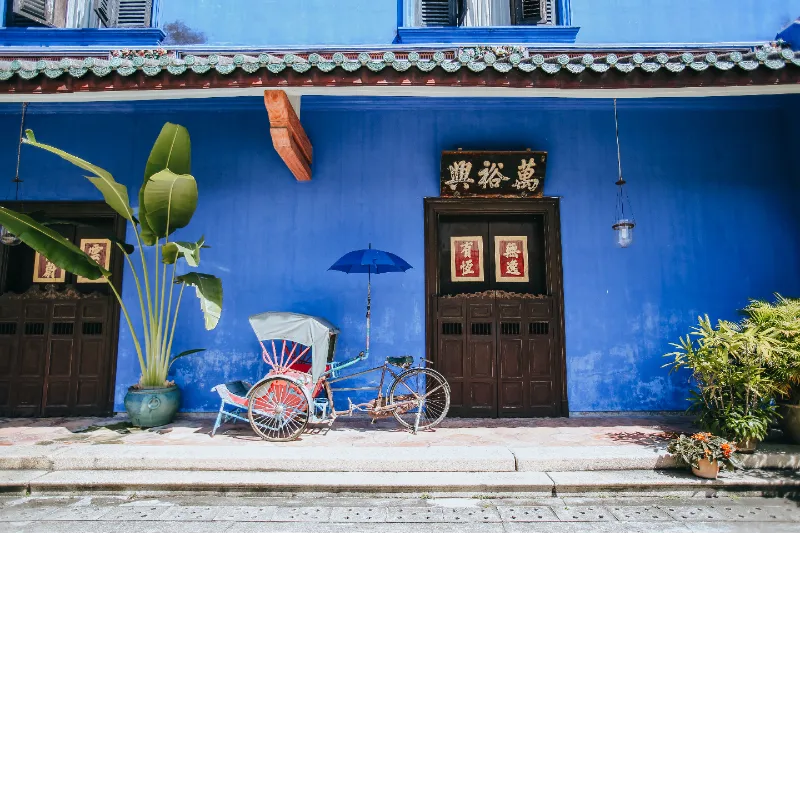
Key facts
Hawker centres, night markets, UNESCO-listed George Town and Batu Ferringhi beaches: the complete 2026 Penang guide — where to eat, where to stay, what to budget.
Penang is the island we recommend to anyone who wants to understand Malaysia in a single day. A UNESCO-listed historic centre, Chinese and Indian temples a few hundred metres apart, and above all a street-food scene with no equivalent in Southeast Asia at that price. Every international food guide puts Penang at the top of its lists, and for once the reputation is earned.
This 2026 guide answers the questions we get most often: which neighbourhood to pick in George Town, where to eat without going wrong (and at what price), how to get to the Batu Ferringhi beaches, how many days to plan and what a realistic budget looks like for three or four days. For the detailed day-by-day route, our 4-day Penang itinerary sets out the exact steps.
Why Penang rather than Kuala Lumpur for eating
It's a question we get constantly. The answer is historical. Penang was a British free port founded in 1786, and the island attracted Chinese (Hokkien, Teochew, Cantonese), Indian, Malay and Eurasian communities very early. Each kept its own kitchen, then swapped with the others. The result is not fusion cooking — it's an accumulation of authentic cuisines within walking distance.
In practice that gives dishes that don't exist elsewhere in that form:
- Char kway teow: flat rice noodles wok-fried with prawns, Chinese chives, egg and sometimes lard. Penang's version is drier, smokier and prawn-heavier than KL's.
- Assam laksa: noodle soup with fish, tamarind and lime — sour and fresh. It appears on CNN Travel's list of the world's 10 best dishes.
- Hokkien mee: a thick pork-and-prawn soup, very different from the fried KL version.
- Nasi kandar: the Indian-Muslim staple born in Penang itself — rice with curries and side dishes, ladled over until you say stop.
- Cendol: shaved ice, coconut milk, palm sugar (gula Melaka) and green jelly noodles. The best in the country are here.
Add the prices: a full plate of char kway teow costs 6 to 9 RM in 2026, an assam laksa 6 to 8 RM, a nasi kandar with two sides 12 to 18 RM. Eating well in Penang on 40–50 RM a day is entirely realistic.
George Town: where to stay and where to eat
The right neighbourhoods
George Town is compact — 2 km east to west, 2 km north to south — and walkable. Three neighbourhoods matter for a first stay:
- Beach Street / Lebuh Pantai: the old financial district, restored shophouses, boutiques. Quiet at night, close to the Clan Jetties. Boutique hotels from 220 RM.
- Love Lane / Chulia Street: the backpacker and mid-range hub. Guesthouses from 70 RM, cafés, two minutes from the hawker action. Noisy on weekend evenings.
- Gurney Drive: a northern seafront esplanade with shopping malls and the famous hawker centre. For a family or a hotel with a pool, this is the practical option, 15 minutes by car from the historic centre.
For a full comparison of Penang accommodation by budget, see our hotel selection, updated with 2026 rates.
Where to eat: the non-negotiable list
Gurney Drive Hawker Centre — the biggest concentration of stalls on the island. Now relocated to a covered site next to the malls on Persiaran Gurney, it opens in the late afternoon. Go on a weekday, arrive before 19:00 and order from three different stalls: char kway teow, laksa and an oyster omelette (oh chien). Budget 25–30 RM per person, drinks included.
New Lane (Lorong Baru) hawker centre — the locals' answer to Gurney Drive. Slightly smaller, slightly better and cheaper. Open from mid-afternoon. The duck-egg char kway teow and the chee cheong fun stalls are the ones to queue for.
Chulia Street night hawker stalls — from 18:00 the street fills with carts. This is where you find the famous wantan mee and sup kambing (goat soup). Very busy, very cheap, very good.
Sri Weld Food Court — lunch only, near Beach Street. The nasi lemak bungkus at 2.50 RM is the cheapest good meal on the island, and the laksa stall is a local institution.
Kimberley Street — a daytime street of stalls and shophouses, one stall per dish, each with 40 years of practice. Do it on foot, between 08:00 and 14:00.
Beyond the hawkers, Penang has a modern restaurant scene worth one or two meals: the new-generation Chinese-Penang tasting menus, and the Peranakan restaurants of Lebuh Armenian, where you can try nyonya laksa and the classic otak-otak. Our restaurant directory lists the addresses we rate.
A word of caution on famous stalls: some of the most-reviewed on Google Maps are simply the ones closest to hotels. The stalls with a queue of locals, a single dish and an old man at the wok are almost always better.
Night markets: pasar malam and the food markets
Penang has night markets (pasar malam) that rotate from neighbourhood to neighbourhood weekly, plus two permanent food markets.
- Macallum Street night market (Monday) and Paya Terubong (Friday) are the most accessible for travellers; both are on the island and start around 17:00.
- Chowrasta Market (daytime, off Penang Road) is the oldest market in town — ground floor for dry goods and fruit, hawker stalls around and upstairs.
- Cecil Street Market is a good afternoon stop for local snacks and fresh fruit.
The pasar malam has one clear role: it's the only place where you can try 15 different things in one evening for under 35 RM. If you're in Penang on a Monday, go. If not, don't plan around it — the hawker centres are better anyway.
For the sights around the markets — the Clan Jetties, the street art, the temples — our Penang destination page maps everything by neighbourhood, and the 4-day itinerary links each area to a meal.
Beaches: Batu Ferringhi and the north coast
Penang's beaches are not its strongest card, and it's better to say so plainly.
Batu Ferringhi is the main beach strip, 11 km north of George Town, about 25–35 minutes by car depending on traffic. It's a long, gently curved beach with coarse sand and water that is warm but often turbid, especially during the northeast monsoon (November to February). Watersports (jet ski, parasailing) are concentrated there. Hotels are resort-style with pools — from 300 RM for international brands, 180–250 RM mid-range.
Tanjung Bungah and Tanjong Tokong are the quieter beaches just south of Batu Ferringhi. Fewer activities, cleaner water, mostly used by residents for an evening walk.
Monkey Beach and Kerachut Beach in Penang National Park (northwest tip) are reachable only by boat or a 2 to 3-hour forest hike. They are the best beaches on the island: fine sand, calm water, no development. A boat shuttle costs 80–120 RM for the crossing depending on operator and group size.
The practical rule: if you want beach + pool + restaurants, sleep in Batu Ferringhi. If you want culture, food and walking, sleep in George Town and come up for a day. Doing both means at least one taxi transfer per day, 30–40 RM each way.
For island-hopping and boat services across Malaysia, see our islands and ferries service; we handle the crossings and can combine Penang with Langkawi or the east-coast islands.
Getting there and getting around
From Kuala Lumpur: 4 hours by car on the North-South Expressway, around 350 km; 4h30 by bus from TBS (35–50 RM); 1 hour by plane (AirAsia, Malaysia Airlines, Batik Air — 90–200 RM booked ahead). The train reaches Butterworth, then you take the ferry across to George Town — scenic, cheap (2 RM), but slow.
Getting around Penang: Grab is reliable and cheap (8–15 RM for most intra-George Town trips, 25–40 RM to Batu Ferringhi). The public bus network (Rapid Penang) is usable but slow; the free CAT bus loops through the historic centre and is the simplest way to explore George Town on foot.
If you'd rather have a private car and driver for a day — Kek Lok Si temple, Penang Hill, the beaches and back — our transport and transfers service covers it, with a quote and online payment.
Budget: what to plan for 3 to 4 days
Following the 2026 prices we see on the ground:
- Accommodation: 80–150 RM per night for a decent guesthouse or boutique double in George Town; 250–450 RM for a 4-star with a pool in Batu Ferringhi.
- Food: 40–60 RM per day per person at hawker centres plus one café; 120–180 RM if you add a restaurant meal.
- Transport: 30–50 RM per day for Grab, more if you sleep in Batu Ferringhi and commute.
- Activities: most George Town sights are free; Kek Lok Si temple entry is free (6 RM funicular to the pagoda); Penang Hill funicular 30 RM for foreigners; Penang National Park free (boat extra).
Total for 3 days, mid-range: 750–1,100 RM per person, excluding flights. For a family of four with a resort hotel, plan 2,500–3,500 RM for 3 nights.
The best time to come
Penang is a year-round destination, but the seasons are not equal.
- Driest and coolest window: December to February. The northeast monsoon brings rain mainly in the evening and at night; days are often clear. It's also high season (hotel prices up 20–30%).
- March to May: hot and humid, but fewer crowds and lower prices. Our preferred window for a food trip.
- September to November: the wettest period, with occasional flooding in George Town. Short intense afternoon storms. Still workable, but plan indoor activities for the afternoon.
For the national picture on weather — haze, monsoon and which coast to pick each month — our weather and best-time guide explains the northeast/southwest dynamic that makes the west coast (Penang, Langkawi) and the east coast (Perhentian, Redang, Tioman) opposite in season.
A short 3-day plan that works
If you have 72 hours and want to eat well and see the essentials:
- Day 1 — George Town on foot: Armenian Street street art, the Clan Jetties, Khoo Kongsi, then Chulia Street hawker stalls for dinner. Finish with cendol on Penang Road.
- Day 2 — Morning at Kek Lok Si temple, then Penang Hill for the view and the cooler air (go before 10:00 to avoid the queue). Afternoon at Gurney Drive hawker centre; evening at New Lane.
- Day 3 — Morning in Batu Ferringhi (beach, or the National Park if you're walking), lunch at a nasi kandar, then the trip back.
Four days adds a morning at Penang National Park and Monkey Beach, plus a proper Peranakan meal. For the day-by-day detail, follow our Penang in 4 days.
FAQ
Is Penang worth it, or should I do Langkawi instead?
They do different things. Penang is food, culture and city walking; Langkawi is beaches, island-hopping and a resort stay. With six days, do both — they're connected by direct flights (1 hour) and a ferry (2h30 to Kuah, dry season only). See our Langkawi guide.
How much should I budget per day in Penang?
Backpacker: 100–130 RM per day (bed, hawker food, bus). Mid-range: 300–450 RM. Food is the cheapest part of the trip — accommodation is what moves the budget.
Is the street food safe?
Yes, as long as you apply the usual rules: busy stalls (high turnover), freshly cooked food, no room-temperature meat, bottled or boiled water. Penang's hawker centres have high hygiene standards; the rare problems come from the quietest stalls.
Do I need a car?
No. Grab is cheap, the historic centre is walkable and buses reach Batu Ferringhi. A car only makes sense with three or more people moving between several places a day.
How many days do I need in Penang?
Three days is the minimum to eat well and see the historic centre. Four to five days lets you add the beaches and the national park.
📋 Related guides
- Article: Penang in 4 days
- Penang destination
- Hotels — selection and comparison
- Restaurants — address book
- Islands and ferries service
- Transport and transfers
👉 Building an itinerary, booking a transfer or organising a stay in Penang? Write to us — reply within 24 h, instant quote.
Things to do in Penang
Tickets and experiences at the best price — instant online booking. All activities →
Water Activities & ATV at Batu Feringgi Beach by Sunrise Watersport
Water Activities at Batu Feringgi Beach in Penang.
DIY Plushy Workshop by OLO Studio in Penang
DIY Your Plushy Workshop by OLO Studio in Penang.
UMI UMI Penang Immersive Show: A Live Interactive Dining Theater
Step into Umi Umi's theatrical dining experience in Penang, where food meets captivating performance. Interactive dinner theatre, booking recommended.
Explore Georgetown Half Day City Tour
Discover Penang's capital city, a modern metropolis with rich history, customs, traditions and architecture.
Penang River Cruise Ticket
Book your Penang river cruise ticket: a boat ride through George Town's historic waterways, best enjoyed at sunset.
NFS Rooftop Gokart in Penang
Race on the NFS Rooftop outdoor go-kart track in Penang. Rooftop thrills guaranteed, helmet and gear provided.
Where to stay in Penang
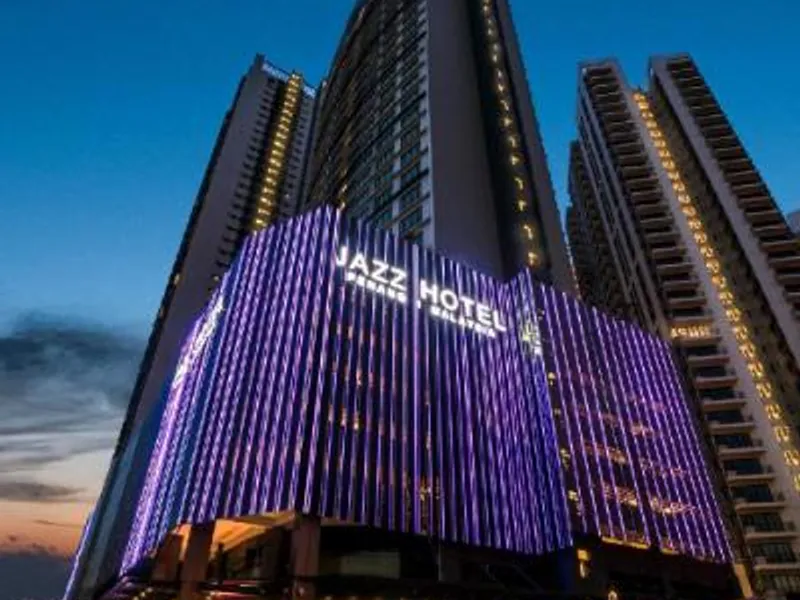
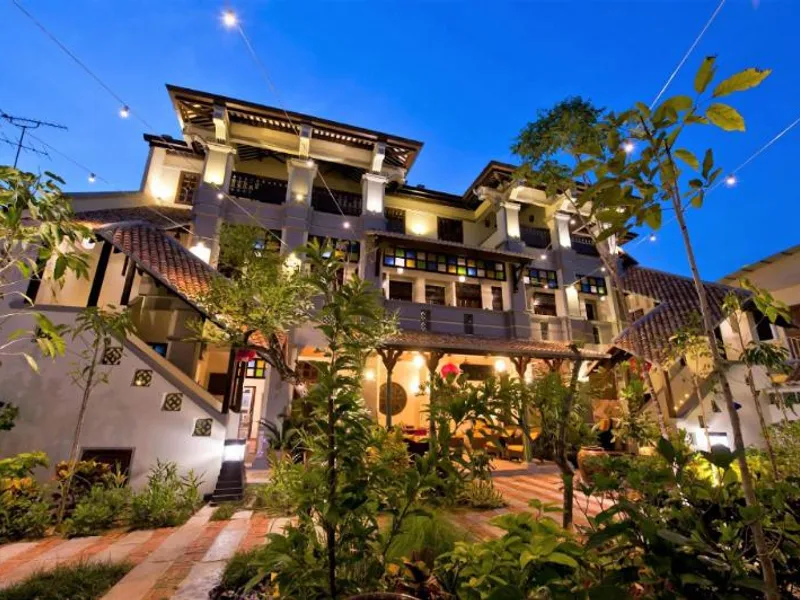
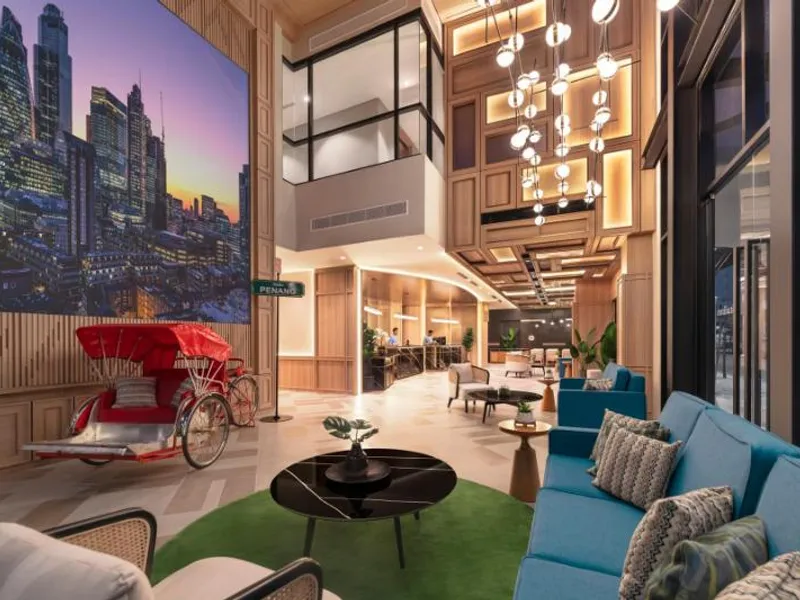
BonjourMalaisie selection — the best-rated for this stay. See all hotels →
Don't miss the next guides
One email every 15 days: new itineraries, tested addresses and Malaysia deals. Nothing else.
No spam. One-click unsubscribe, anytime.
Ready to explore Malaysia?
Book your transfer, plan your trips and find the right contacts.
This guide was written with the assistance of AI, then reviewed and corrected by a member of the team before publication.
You may also like
Jonker Walk Night Market in Malacca: Complete Guide (Hours, Food, Budget)
Every Friday and Saturday night, Jonker Street turns into Malacca's biggest night market. Real opening hours, dishes to try, 2026 prices, how to get there from Kuala Lumpur, and the mistakes to avoid.
Jalan Alor: The Complete Guide to Kuala Lumpur's Food Street
Satay, char kway teow, seafood, durian: what to eat at Jalan Alor, what to budget (RM 25-45 per person), how to avoid the tourist traps and when to come. The complete guide to Bukit Bintang's food street.
The Best Beaches in Langkawi: Complete Guide 2026
Pantai Cenang, Tanjung Rhu, Datai, Tengah, Kok: which Langkawi beach should you choose? A practical guide to beaches, access, snorkelling, families and sunsets.