
Borneo
Where Ancient Rainforests Meet Pristine Seas — Malaysia's Wild Heart
Visit Borneo: Complete Guide 2026
Key facts
Discover Sabah and Sarawak, the two Malaysian states of Borneo. Ancient rainforests, world-class diving at Sipadan, orangutans, Mulu caves and indigenous cultures await you.
Malaysia's Wild Heart: Sabah and Sarawak
The world's third-largest island, Malaysian Borneo is home to some of the oldest rainforests on Earth, legendary peaks and world-class seas.
Borneo is the third-largest island in the world, shared between Malaysia, Indonesia and Brunei. Its Malaysian part — the states of Sabah and Sarawak, in the north and northwest of the island — offers an incomparable adventure in the heart of the oldest rainforests on Earth, estimated at 130 million years. Mount Kinabalu (4,095 m) towers over Sabah, the Kinabatangan River (560 km) winds through some of the most biodiverse forests on the planet, and the waters of Sipadan rank among the world's best dive sites.
Sabah is renowned for its diving and its wildlife. Sarawak, Malaysia's largest state, charms visitors with the colonial appeal of Kuching, its Iban longhouses and the parks of Gunung Mulu and Bako.
- • Two Malaysian states: Sabah and Sarawak.
- • A mythical summit: Mount Kinabalu, the highest peak in Southeast Asia between the Himalayas and New Guinea.
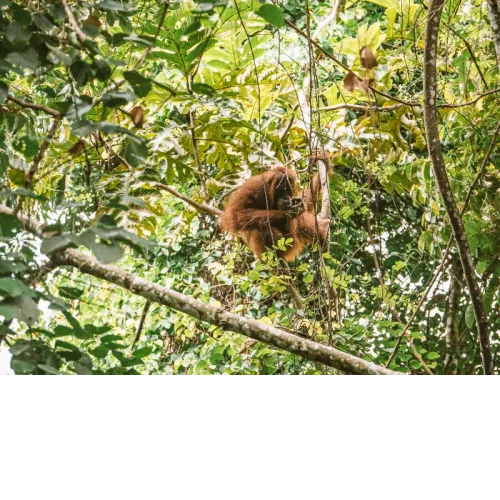
- • Iconic wildlife: orangutans, pygmy elephants, proboscis monkeys and hornbills.
Indigenous Peoples, Longhouses and Festivals
Dozens of ethnic groups live side by side in Borneo, from Kadazan-Dusun and Iban traditions to Bajau and Orang Ulu heritage.
Malaysian Borneo is a cultural melting pot where dozens of ethnic groups coexist, each with its own languages, rites and crafts. In both Sabah and Sarawak, this indigenous heritage blends with the Chinese and Malay influences left by the island's trading and colonial history. In Kuching, the diversity is plain to see, with colonial architecture, Chinese temples and mosques, while the longhouses of the hinterland keep ancestral ways of life alive.
- • Kadazan-Dusun: the largest group in Sabah, famous for the Kaamatan harvest festival.
- • Bajau: nicknamed the 'sea gypsies', they traditionally live in floating villages.
- • Murut: once feared as headhunters.
- • Iban: the most numerous group in Sarawak, famous for their traditional longhouses.
- • Orang Ulu: renowned for their tattoo art and refined woodcarvings.
- • Annah Rais Longhouse: near Kuching, immersive overnight homestays at the heart of indigenous traditions.
How to Get to Borneo
Kuching and Kota Kinabalu are the two air gateways to Malaysian Borneo.
Malaysian Borneo is reached almost exclusively by air. Its two gateways are Kuching, the capital of Sarawak, and Kota Kinabalu, the capital of Sabah, both served by daily flights from Kuala Lumpur. Choosing your arrival point shapes your itinerary: Sarawak and its parks to the west, Sabah, Mount Kinabalu and Sipadan to the east.
- • Kota Kinabalu (Sabah): about 1 hour 40 minutes from Kuala Lumpur (KLIA), the gateway to Kinabalu, Sipadan and the Kinabatangan.
- • Kuching (Sarawak): about 1 hour 45 minutes from Kuala Lumpur, a starting point for Mulu, Bako and the longhouses.
- • Between Sabah and Sarawak: direct flights link Kota Kinabalu and Kuching in about 1 hour 20 minutes (Malaysia Airlines, AirAsia, Batik Air).
- • Domestic network: Sandakan, Bintulu and Miri, along with many smaller airports, serve the most remote regions.
- • Ferries and local buses: connect the islands, national parks and villages.
- • Overland between the states: impractical — Sabah and Sarawak are separated by Brunei and Indonesian Kalimantan. Fly instead.
Trip planner
Compare all transport options from Kuala Lumpur to Borneo: flight, train, bus, ferry and private transfer with instant pricing.
🚗 Transport planner
Compare every way to travel: flight, train, bus, ferry, private transfer. Real prices and durations.
Where to Stay in Borneo: From Mountain Refuge to Jungle Lodge
Each stage of the journey offers a unique setting, between cities, jungle, mountain and river.
In Borneo, accommodation is very much part of the adventure. Hotels in the destination are not yet listed on our site, but here is what you need to know to plan your itinerary: depending on the next day's activities, your nights will be spent in town, at altitude, by the river or in the jungle. The best approach is to build each stage around a practical base, close to the sites you want to explore, and to book early in peak season.
- • Kuching and Kota Kinabalu: the two capitals hold most of the hotel options, from hostels to grand hotels.
- • Laban Rata refuge (3,272 m): the essential stop on the Kinabalu climb, before the 2 am departure.
- • Iban longhouses: homestays such as Annah Rais, near Kuching, for a deep dive into indigenous traditions.
- • Jungle lodges: along the Kinabatangan and around the national parks, in the heart of the rainforest.
- • Sabah's coastal bases: on the east coast, close to dive sites like Sipadan, where access is limited.
Kinabalu, Mulu, Sipadan and Orangutan Encounters
Some of Southeast Asia's most spectacular experiences await between Sabah and Sarawak.
Climb a 4,000-metre peak, step inside some of the largest caves on the planet, dive among the world's best-preserved reefs and meet orangutans in their natural habitat: Malaysian Borneo packs in experiences found nowhere else. Between adventures, Kuching and Kota Kinabalu offer charming stopovers, with waterfronts, markets and the islands of the Tunku Abdul Rahman Marine Park.
- • A mythical summit: at 4,095 m, it draws thousands of hikers to Low's Peak, inside a UNESCO-listed park.
- • An accessible trek: two days, with a night at the Laban Rata refuge (3,272 m).
- • Sunrise at the top: the 2 am departure.
- • A UNESCO site: Gunung Mulu National Park is home to some of the largest caves on the planet.
- • Sarawak Chamber: one of the largest underground chambers in the world — it could hold 40 Boeing 777s.
- • The evening spectacle: millions of bats stream out of Deer Cave, tracing patterns across the sky.
- • A world-class site: off Sabah's east coast, Sipadan is one of the best dive sites on the planet.
- • Incredible biodiversity: sea turtles, reef sharks, barracudas and schools of tropical fish.
- • Legendary spots: Barracuda Point, Turtle Cavern and Drop Off — daily permits are limited, so book months in advance.
- • Sepilok (Sabah): near Sandakan, the most famous rehabilitation centre; feeding sessions twice daily.
- • Semenggoh (Sarawak): 30 minutes from Kuching, wild orangutans come to the feeding platforms.
- • Kinabatangan River: a boat safari to spot pygmy elephants, proboscis monkeys and crocodiles.
Tastes of Borneo, from Laksa Sarawak to Hinava Ceviche
A crossroads cuisine blending Malay, Chinese and indigenous traditions — to be savoured without restraint.
Malaysian Borneo's cuisine is a culinary journey in its own right, rich in flavours and influences. It draws on Malay, Chinese and indigenous traditions to create unique dishes that are often impossible to find elsewhere in Malaysia. From the fragrant noodle soups of Kuching's coffee shops to the raw-fish ceviches of Sabah's communities, every recipe tells a story of people and place — and the night markets are a spectacular gateway into this world.
- • Laksa Sarawak: a fragrant noodle soup and one of Sarawak's signature dishes.
- • Kolo Mee: stir-fried noodles with char siu, a firm favourite of Kuching's coffee shops.
- • Hinava: a raw-fish ceviche prepared by the Kadazan-Dusun community, a Sabah speciality.
- • Umai: raw fish marinated with onion and chilli, to be discovered in Sarawak.
- • Night markets: satay, nasi lemak and roti canai, an explosion of flavours at bargain prices.
- • Exotic fruits: durian and mangosteen, worth trying at least once.
Practical Information for Your Borneo Trip
Seasons, visa, currency and the right habits before heading to Sabah and Sarawak.
Malaysian Borneo can be visited all year round, but a little preparation helps you pick the right weather window and avoid surprises on the ground. Ideal season, formalities, currency, power sockets and wildlife precautions: here is everything you need to know before packing your bags for Sabah and Sarawak.
- • Best season: March to October is the driest period. Sabah's east coast (including Sipadan) is ideal from March to October, the west coast stays pleasant year-round, and Sarawak sees its heaviest rainfall between November and February.
- • Visa: most travellers can enter Malaysia without a visa for stays of 30 to 90 days — check before you leave.
- • Language: Malay (Bahasa Malaysia) is the official language; English is widely spoken in tourist areas.
- • Currency: the Malaysian ringgit (MYR); credit cards accepted in hotels and restaurants in the major cities.
- • Power sockets: type G (3 pins), 240 V — as everywhere in Malaysia.
- • Wildlife & nature: never swim in rivers outside designated areas (saltwater crocodiles) and pack mosquito repellent.
Pack These Essentials
Pack lightweight, quick-dry clothing, a waterproof jacket, sturdy hiking shoes, a headlamp for the caves and lodges, and a dry bag for boat trips.
FAQ
How many days do I need to visit Borneo?
Do I need a visa to visit Malaysian Borneo?
Is Borneo safe for solo travellers?
When is the best time to see orangutans in Borneo?
Do I need to book the Mount Kinabalu climb in advance?
How do I get between Sabah and Sarawak?
Is Sipadan diving worth the cost and effort?
Things to do in Borneo
Tickets and experiences at the best price — instant online booking.
Kota Kinabalu Borneo Cultural Village Half-Day Tour
Get a closer look at the beauty and culture of Borneo in this Borneo Cultural Village tour with optional Klias River Cruise. for a hassle free tour experience.
Tandem Paragliding Experience in Borneo Ranau & Kokol Hill
Join Borneo Paragliding Experience in Ranau for an exciting paragliding experience with the breathtaking view of Mount Kinabalu.
ATV Borneo Adventure - Ultimate Kundasang ATV Experience
Join ATV Adventure in Kundasang for an unforgettable experience in Kundasang with the best view of Mount Kinabalu. At the same time visit Desa Cattle Dairy Farm and Earthquake Historic Site.
Northern Tip of Borneo (Kudat) Day Tour
Book this tour and marvel at the lush greeneries of the northern part of Borneo Island.
Borneo Rainforest Kayaking & Waterfall Day Tour
Borneo Rainforest Kayaking & Waterfall Day Tour in Borneo.