
International Schools in Malaysia: A 2026 Guide for Expat Families
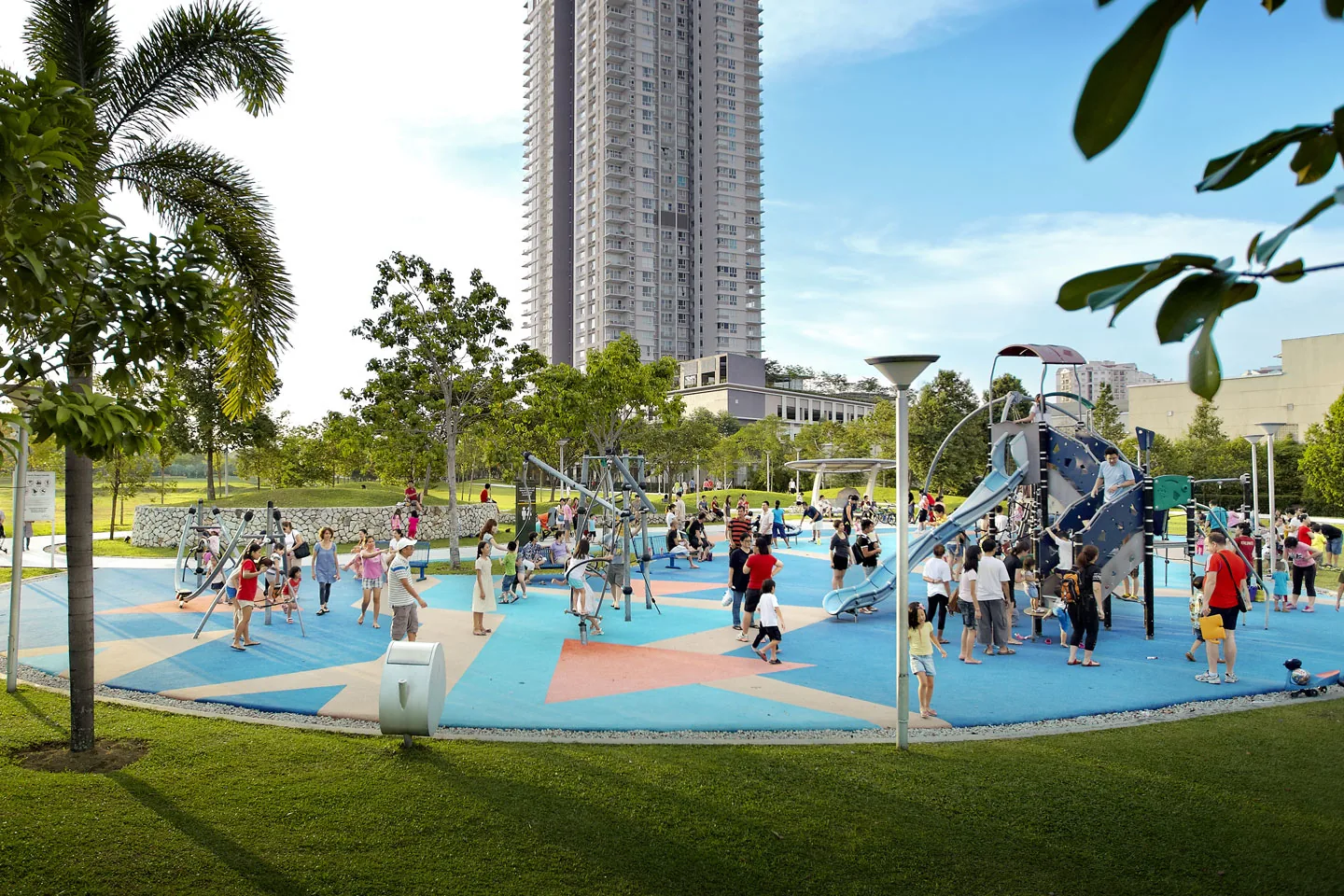
Curricula, real fees, admissions, children's visas and choosing the right neighbourhood: the complete 2026 guide to international schools in Malaysia for expat families.
You are moving to Malaysia with your family, and the first question always comes up: where should the children go to school, and how much will it cost? Malaysia has become one of Southeast Asia's most popular destinations for expat families, thanks to a dense network of English-medium international schools, tuition fees far below those of Singapore or Hong Kong, and a broadly affordable cost of living. Sending your child to an international school here is no longer a luxury — it is a realistic, accessible option for families settling in Kuala Lumpur, Penang or Johor.
This 2026 guide covers the essentials: the curricula available, real fee ranges, the step-by-step admission process, the visa requirements for children, and the criteria that help you choose the right school without regret. You will also find our tips on where to live near the school and how to prepare your move smoothly.
Why Malaysia appeals to expat families
Malaysia has more than 150 international schools, the vast majority in the Klang Valley (Kuala Lumpur and its surrounding area). Three factors explain the appeal.
English as the language of instruction. Most international schools teach in English and prepare students for globally recognised qualifications (IGCSE, A-Levels, IB, AP). A child arriving with limited English usually benefits from an integrated English as an Additional Language (EAL) programme.
Unbeatable value for money in the region. In Singapore or Hong Kong, international schooling often costs two to three times more than in Kuala Lumpur, for comparable facilities and teaching. It is one of the arguments families mention most often.
A family-friendly lifestyle. Space, safety, a tropical climate, good food, quality healthcare and a moderate cost of living: our page on the cost of living in Malaysia sets out a realistic monthly budget for a family, school fees included.
Malaysia also offers a very wide range of curricula: British, International Baccalaureate (IB), American, Australian, Canadian, but also French, German, Japanese or Korean. French-speaking families can stay within the French system at the Lycée Français de Kuala Lumpur (LFKL), part of the AEFE network.
The different curricula and who they suit
Choosing the curriculum is the pivotal decision: it determines the language of instruction, the teaching approach and, above all, which universities your child can target.
| Curriculum | Qualification | Who is it for? |
|---|---|---|
| British | IGCSE, then A-Levels | The most widespread; ideal for the UK, Australia or Malaysia |
| International (IB) | PYP, MYP, IB Diploma | Students aiming for international universities, including the US |
| American | High School Diploma, AP | Families planning US studies |
| Australian / Canadian | HSC, Canadian provincial diplomas | Families already familiar with those systems |
| French | Brevet and Baccalauréat | French-speaking families attached to the French programme |
| Others (German, Japanese, Korean) | National qualifications | The corresponding expat communities |
Two questions usually guide the choice: which country might your child attend university in, and which system is he or she already enrolled in? A child who has always followed the French programme will settle in more easily at the French school, while an already bilingual child will thrive in a British or IB curriculum.
How much does an international school cost in Malaysia?
Fees vary widely depending on the school, the year group and the location. Here are the ranges commonly seen in Kuala Lumpur in 2026.
| Cost item | Indicative range (per year) |
|---|---|
| Registration fee (one-off) | RM 5,000 – 30,000 |
| Kindergarten (ages 3-5) | RM 20,000 – 45,000 |
| Primary | RM 30,000 – 65,000 |
| Secondary | RM 45,000 – 90,000 |
| IB Diploma / A-Levels | RM 60,000 – 120,000 |
| Boarding | RM 120,000 – 200,000 |
| Refundable deposit | 1 to 2 terms of tuition |
As a benchmark, a well-known KL school sits around RM 50,000 to 80,000 per year at secondary level, while smaller schools or those outside the city centre come in at RM 25,000 to 40,000. Ancillary costs matter: uniforms, school transport, trips, extracurricular activities and canteen meals often add 10 to 20 % to the budget. Expect termly billing, which spreads the cost across the year.
To put these figures in context, our expat guide helps you build a realistic family budget.
The admission process, step by step
International schools generally welcome new students at the August-September intake (the British calendar), with in-year admissions depending on available places. Here is how a typical application unfolds.
- Shortlisting. Identify 3 to 5 schools consistent with your curriculum, neighbourhood and budget. Visit them in person or request an online meeting before committing.
- Application file. Prepare the last two years' report cards, assessments, a passport and sometimes a motivation letter for the student.
- Admission test. Most schools run age-appropriate assessments in English and maths, plus an interview with the child and parents.
- Offer and confirmation. If accepted, a deposit and registration fee secure the place. Waiting lists are common at the most sought-after schools, so apply early.
- Start of term. Plan for the uniform, transport and extracurricular sign-ups in the first few weeks.
One practical tip: allow three to six months, especially for secondary levels and the IB Diploma, where places are limited.
Which visa do schoolchildren need in Malaysia?
This is the administrative point families most often overlook. The visa depends on the parents' status.
- If a parent holds an Employment Pass, an MM2H or another long-stay pass, children are usually attached to a Dependant Pass. This pass covers the child's stay and allows schooling.
- If the child is coming solely to study, a Student Pass applies, linked to an approved institution.
- Where a child holds a Student Pass and an adult accompanies them without a long-stay pass, that adult may apply for a Guardian Pass.
Start these procedures before you arrive, as some steps involve the school and Malaysian Immigration. Our expat guide summarises the main administrative steps, and registering with your embassy is recommended to keep your documents secure once you are there.
Choosing your neighbourhood around the school
Where you live is closely tied to which school you choose. In Kuala Lumpur, several districts concentrate expat families and international schools.
- Mont Kiara: the long-standing heart of the expat family scene, right next to several major international schools, with condos, parks and shops.
- Ampang and U-Thant: a sought-after residential area, close to the centre and to several well-known campuses.
- Bangsar and Bangsar South: pleasant neighbourhood life, a good compromise between city centre and green space.
- Sri Hartamas: quieter, popular with families, with easy access to schools in north KL.
- Putrajaya / Cyberjaya: a planned, affordable setting, convenient for families working in government or tech.
Outside Kuala Lumpur, Penang and Johor (notably the Iskandar region) also offer a solid international school scene, often at lower cost. To compare districts, rents and property types, see our accommodation in Malaysia page and our guide to Kuala Lumpur. Many families opt for a one-year trial rental first, giving them time to validate both the school and the neighbourhood.
Practical details: calendar, transport and language support
The international school year in Malaysia generally follows the British calendar: term starts in late August or early September, three terms, and the year ends in June-July. American and IB schools may differ slightly, and a few institutions offer a second January intake.
Day to day, the school day often runs from 8 am to 3 pm, followed by extracurricular activities (sport, music, clubs) until 4 or 5 pm. School buses are widespread: expect around RM 300 to 800 per month depending on distance, with networks covering the main residential districts. Many families choose to live within a 15-minute drive of the school to cut commuting time and stay clear of the morning traffic.
The required level of English varies: schools offer support programmes (EAL) for younger children, but some ask for a minimum level in examination years (IGCSE, IB). Before committing, check a few key points: the school's licence from Malaysia's Ministry of Education, the curriculum affiliation (Cambridge, Pearson Edexcel, IB), class sizes (often 15 to 22 pupils), teacher turnover and university placement results. Also ask for a clear list of what the fees cover — canteen meals, uniforms and activities are sometimes billed separately.
Related procedures
📋 Related procedures
- Dependant Pass — for children of Employment Pass or MM2H holders
- Student Pass — for a child enrolled in Malaysia
- Guardian Pass — for the adult accompanying a Student Pass holder
- Accommodation in Malaysia — neighbourhoods, rents and tips for living near the school
- Cost of living in Malaysia — a realistic monthly family budget
FAQ
How much does an international school cost in Malaysia?
Expect an average of RM 20,000 to 90,000 per year depending on the year group and school, with figures above RM 100,000 for the IB Diploma and the most prestigious schools. Add RM 5,000 to 30,000 in registration fees, a refundable deposit, uniforms and school transport.
Do we need a specific visa to enrol a child in Malaysia?
Yes. If a parent holds an Employment Pass or MM2H, the child is attached to a Dependant Pass. If the child is coming solely to study, a Student Pass issued through the approved school is required. Start these procedures before departure.
Are lessons taught in English?
At the vast majority of international schools, yes. Children arriving with limited English usually benefit from an English as an Additional Language (EAL) programme. French, German, Japanese and Korean curricula teach in their own languages.
When should we apply?
For an August-September start, submit your application between December and March. Some schools accept in-year admissions depending on places, but the best schools have waiting lists, so applying as early as possible is wise.
Can we choose a school before arriving in Malaysia?
Yes, and it is recommended. Most schools accept applications and interviews remotely (video calls, scanned documents). A visit before signing a lease is still ideal to check the daily commute and the feel of the neighbourhood.
👉 Planning your family move to Malaysia and want to pick the right school, the right neighbourhood and handle the paperwork calmly? Contact us: the Bonjour Malaisie team replies in English and supports you at every step, transfers included.
Ready to explore Malaysia?
Book your transfer, plan your trips and find the right contacts.
You may also like

Driving in Malaysia with a Foreign License: 2026 Rules, IDP & Costs
Can you drive in Malaysia with a foreign licence? 2026 guide: IDP validity, JPJ conversion rules, car rental prices, road rules and real costs for tourists and expats.
Malaysia Travel Budget: How Much Does 2 Weeks Cost in 2026?
How much does a 2-week trip to Malaysia cost in 2026? Flights, hotels, transport, food and activities: detailed prices in ringgit and euros, a 14-day itinerary and 3 concrete budgets, from backpacker to upscale.

The Malaysian Healthcare System in 2026: Hospitals, Costs and Insurance for Expats
How does Malaysia's healthcare system work? Public and private hospitals in Kuala Lumpur, treatment costs, compulsory insurance and emergencies: the complete 2026 guide for expats.